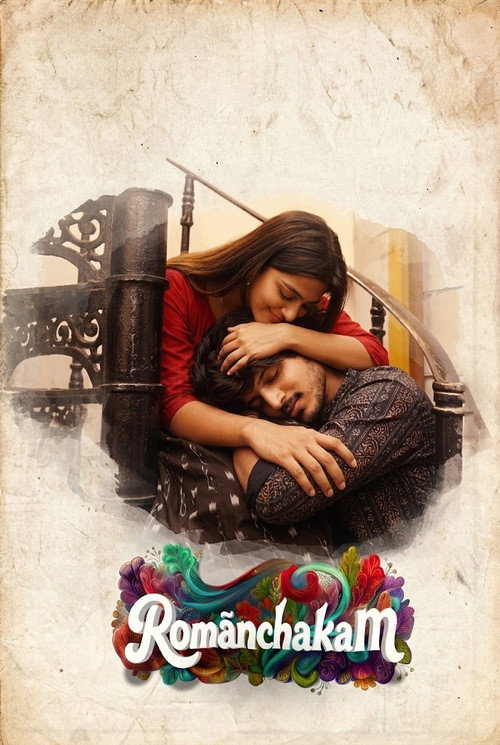
Romanchakam (2026)
Directed by Venu Gopal Reddy
Romanchakam arrives presenting itself as a Gen Z love story for the dating-app era, which is a bold claim for a film that critics have described as a male buddy comedy with a woman-shaped hole at its center.
Consciousness Markers
The film features a South Indian regional cast with a female lead in a nominally central role. Critics, however, noted that the female protagonist is so underwritten she barely registers as a character, which somewhat undermines any claim to intentional inclusive casting.
The film gestures toward Gen Z commentary on dating apps, social media blocking, and modern relationships, but critics noted it retreats entirely into conventional tropes. The sermonizing impulse is present but too weak and underdeveloped to land.
The premise technically places a woman at the center of a love story, but critics from The Hindu and The Indian Express specifically flagged her lack of agency and narrative depth. The film is more accurately a male buddy comedy in which a woman serves as the objective. This is the opposite of feminist filmmaking, but a token score reflects the nominal framing.
No LGBTQ+ themes, characters, or subtext are present in the film. The story is a straightforwardly heterosexual romance.
There is no racial consciousness framing in this Telugu-language romantic comedy. The film operates entirely within a regional Indian cultural context without engaging the subject.
No climate themes, environmental messaging, or ecological awareness of any kind appears in the film.
The protagonist is an entrepreneur who builds a dating app to profit from romance. The film treats this entrepreneurial premise with cheerful neutrality, offering no critique of capitalism whatsoever.
No body positivity themes or commentary on physical appearance norms are present in the film.
No neurodivergent characters or themes are present. The research notes a flippant treatment of suicide attempts played for humor, which is the opposite of sensitive mental health representation.
The film is a contemporary romantic comedy with no historical setting or revisionist historical framing.
Why it received this score
Romanchakam arrives presenting itself as a Gen Z love story for the dating-app era, which is a bold claim for a film that critics have described as a male buddy comedy with a woman-shaped hole at its center. Directed by debutant Venu Gopal Reddy and presented by Sandeep Reddy Vanga (a filmmaker whose relationship with female characters has generated its own extended critical literature), the film follows Anvesh, an entrepreneur who builds a dating app to monetize romance and then, in a twist that surprises no one, falls in love. The irony is noted. The film does not appear to notice it.
The progressive credentials here are, to put it charitably, aspirational. The female lead, Mythili, nominally drives the plot by blocking the hero on social media, yet critics from The Hindu and The Indian Express observed that she lacks discernible background, aspiration, or interiority. She is less a character than a narrative event that happens to Anvesh and his friends. The film's treatment of a suicide attempt as a comedic beat confirms that the social awareness on display is largely decorative. The dating-app premise, which could have served as genuine commentary on modern alienation, is deployed instead as a backdrop for conventional male camaraderie.
What Romanchakam ultimately demonstrates is the gap between a film's aesthetic vocabulary and its actual values. It speaks in the language of contemporary youth culture, with its social media mechanics and Gen Z signifiers, while telling a story whose gender dynamics would have been familiar in Telugu cinema several decades ago. The progressive surface tension is so thin it evaporates under mild scrutiny. This is not a film wrestling with modern progressive sensibilities. It is a traditional romantic comedy wearing a dating app as a hat.
Analysis generated by our Consciousness Algorithm

Synopsis
An entrepreneur hoping to make money off romance ends up falling in love. But when she blocks him on social media, he tries to reignite their spark.