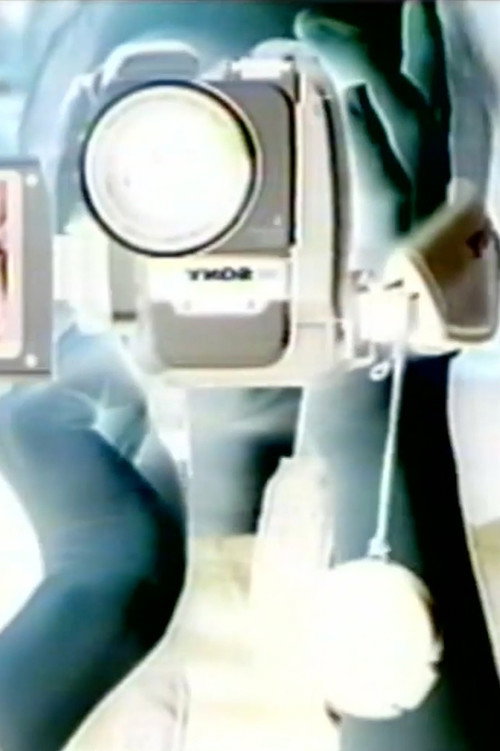
prague, with and without my grandmother (2026)
Directed by Eric Schuman
In the vast taxonomy of films that demand cultural classification, prague, with and without my grandmother presents a challenge of a different order entirely.
Consciousness Markers
A personal memory film with no discernible cast to speak of. The question of who is represented is, in this context, the director and his absent grandmother.
No LGBTQ+ themes, characters, or subtext are present in any documented form.
The grandmother figure is central to the emotional premise, but her presence is defined by absence and personal longing, not feminist framing.
No racial consciousness or identity politics of any kind have been identified in the film or its surrounding discourse.
The film concerns Gothic spires and childhood memory. The climate is not in crisis here, at least not literally.
No critique of capital, wealth, or economic systems is present or implied.
No body positivity messaging or related themes appear in the film.
No neurodivergence themes, characters, or framing have been identified.
The film is personal autobiography, not a reinterpretation of historical record.
At three minutes, the film barely has time to be anything, let alone preachy. It does not appear to be.
Why it received this score
In the vast taxonomy of films that demand cultural classification, prague, with and without my grandmother presents a challenge of a different order entirely. It is three minutes long. Its subject is a child who pointed a camera at architecture instead of a person he loved, and has presumably thought about this ever since. We are, to be precise, in the territory of personal essay filmmaking, a genre whose primary concern is the filmmaker's own interiority, and which has historically shown little interest in dismantling systemic oppression.
The film scores a zero across all ten markers of progressive social consciousness, which is not a moral failing so much as a statement of scope. There is no representation agenda to decode, no lecture to endure, no villain who owns a corporation. There is a grandmother, rendered in absence. There are spires. There is the specific melancholy of a child who made the wrong choice with a camera and grew up to become a filmmaker, which is either ironic or inevitable, depending on your disposition.
Eric Schuman, a Columbia MFA alumnus, has made something that the current cultural sorting apparatus simply has no drawer for. It is not reactionary. It is not progressive. It is a three-minute film about missing someone you could have looked at more carefully. The El Paso Film Festival, to its credit, screened it anyway.
Analysis generated by our Consciousness Algorithm
Synopsis
I was eleven, and instead of filming my grandmother, I filmed the spires of Prague.