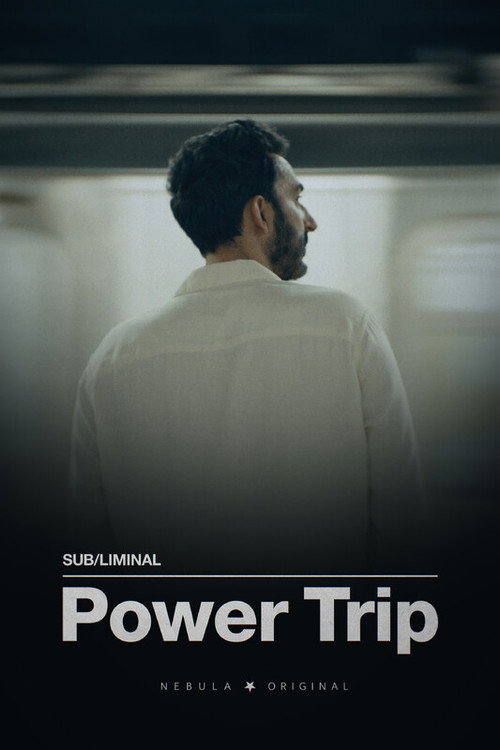
Power Trip (2026)
Directed by Patrick Willems
Power Trip arrives as a 26-minute short thriller from Patrick Willems, a filmmaker better known for YouTube video essays than for confined dramatic spaces, and it is precisely the kind of film that makes the cultural taxonomist's job feel like measuring humidity with a ruler.
Consciousness Markers
The film centers on a female rideshare driver navigating a toxic dynamic with a male passenger, a setup with latent feminist readings. However, available coverage frames this as interpersonal thriller tension rather than gender-political commentary.
The film casts a Middle Eastern-American actor (Amir Arison) and a white actress in the two lead roles. There is no evidence this casting was driven by representational agenda rather than simply hiring capable actors for the parts.
The interracial dynamic between a white female driver and a male passenger of color is present, but no coverage, criticism, or promotional framing has positioned racial consciousness as a theme of the film.
The gig-economy rideshare setting carries a faint structural critique of precarious labor, but no coverage or analysis has identified anti-capitalist messaging as an intentional or meaningful component of the film.
The 'toxic dynamics' framing in promotional coverage hints at a morally pointed throughline, but the available evidence suggests the film pursues interpersonal tension over sermonizing. A single-vote TMDB profile does not offer further clarity.
No LGBTQ+ themes, characters, or subtext have been identified in any coverage or promotional material for this film.
No climate, environmental, or sustainability themes have been identified. The rideshare setting is incidental, not a vehicle for ecological messaging.
No body positivity themes or related messaging have been identified in any available material about this film.
No neurodivergence themes or representation have been identified in any available material about this film.
The film is an original contemporary thriller with no historical setting or revisionist historical framing whatsoever.
Why it received this score
Power Trip arrives as a 26-minute short thriller from Patrick Willems, a filmmaker better known for YouTube video essays than for confined dramatic spaces, and it is precisely the kind of film that makes the cultural taxonomist's job feel like measuring humidity with a ruler. Two people. One car. An unexpectedly complicated conversation. The research files are nearly empty of ideological fingerprints, and we must work accordingly.
The film's setup, a female rideshare driver and a male passenger locked in escalating interpersonal tension, carries the structural DNA of a dozen thrillers about power and control. The casting places a white woman in the driver's seat and a Middle Eastern-American man in the passenger seat, an inversion of several ambient cultural anxieties at once. Whether this is intentional social architecture or simply two good actors in a car is, based on all available evidence, the latter. No critic has filed a dispatch about its gender politics. No corner of the internet has claimed it as a text. The film exists, quietly, on Nebula, which is perhaps the most dignified fate available to a short film in 2026.
The gig-economy setting earns a token acknowledgment. There is something inherently melancholy about a rideshare as a dramatic location, a person monetizing their own vehicle for the comfort of strangers, a relationship defined entirely by a star rating. A more ambitious film might have leaned into that. Power Trip appears, instead, to be interested in people. On this evidence, its progressive sensibilities register somewhere between "incidental" and "imperceptible," which is, frankly, a refreshing place to be.
Analysis generated by our Consciousness Algorithm
Synopsis
A rideshare driver ends up in an unexpectedly complicated conversation with a passenger.