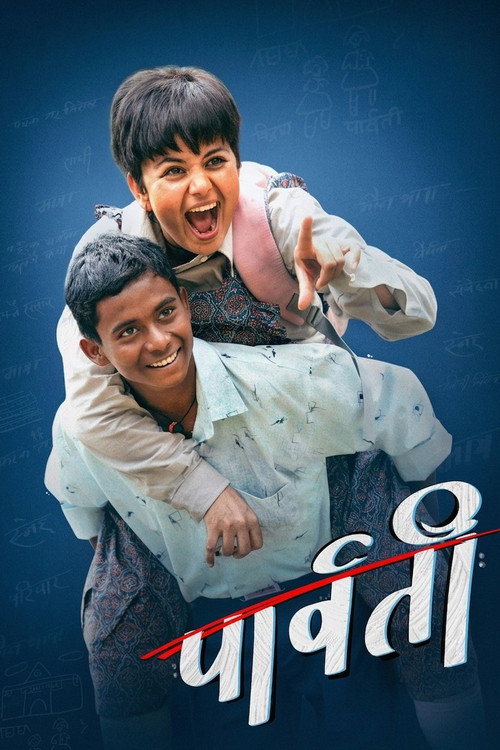
Parbati (2026)
Directed by Neeta Dhungana
Parbati arrives from Nepal with its thesis pre-loaded, announced in the opening frames with the quiet confidence of a public health poster: autism is not a weakness, it is a different way of experiencing the world.
Consciousness Markers
Neurodivergence is the explicit, foregrounded subject of the entire film. The opening thesis statement declares autism 'not a weakness or a flaw' and 'simply a different way of experiencing the world,' a framing that maps directly onto contemporary neurodiversity advocacy language. The plot further contrasts modern acceptance with traditional superstition, positioning the audience firmly on the side of social integration.
The film's promotional overview reads less like a story synopsis and more like a pamphlet. The declared thesis is stated before the narrative has done any work to earn it, and the explicit framing of traditional shamanic practice as ignorance to be overcome suggests a film that knows its conclusion before its first scene.
The film is directed by, produced by, and stars a Nepali woman, Neeta Dhungana, with a cast drawn from the Nepali film industry. The centering of a neurodivergent protagonist is a deliberate representational choice, though this is a Nepali production operating within its own cultural context rather than any imported diversity mandate.
The film is written, directed, and produced by a woman who also stars in it, and the central sibling bond is framed through an emotionally expressive, caregiving lens. This does not constitute an explicit feminist agenda, but the authorial centering of female perspective is present.
No LGBTQ+ themes, characters, or subtext are present in the film or its surrounding promotional discourse.
The film operates entirely within a Nepali cultural context and does not engage with race as a social justice framework in any form.
There is no climate change messaging, environmental advocacy, or ecological subtext anywhere in the film or its promotional materials.
The narrative does not engage with class critique, wealth inequality, or anti-capitalist themes in any meaningful way.
Body positivity as a modern social movement is entirely absent from the film's themes and discourse.
The film is a contemporary social drama with no historical setting or revisionist reframing of past events.
Why it received this score
Parbati arrives from Nepal with its thesis pre-loaded, announced in the opening frames with the quiet confidence of a public health poster: autism is not a weakness, it is a different way of experiencing the world. We are informed of this before the characters have introduced themselves. The film, written, directed, produced, and starring Neeta Dhungana in what one can only call a comprehensive act of creative self-sufficiency, then proceeds to dramatize a conclusion it has already reached. The sibling bond at the story's center is framed with evident sincerity, and the emotional authenticity Dhungana brings to her portrayal of neurodivergence was noted by local audiences who drew comparisons to South Asian cinematic precedents. The sincerity is not in question. The scoring is.
The film's cultural architecture is straightforward: modern understanding on one side, rural superstition on the other. The neurodivergent child is misread as spiritually cursed by a community that has not yet received the pamphlet. This is a legitimate social problem in many contexts, and the film is correct to address it. It is also a narrative structure that leaves very little room for ambiguity, surprise, or the kind of dramatic friction that might cause an audience to do anything other than nod in agreement. The neurodivergence marker registers strongly here, not because the subject is unworthy, but because the film's language, "embracing individuality," "social inclusion," "acceptance," lands with the cadence of a workshop facilitator wrapping up a session.
The lecture energy is present but not oppressive by the standards of the genre. Dhungana is working within a Nepali social drama tradition that has always worn its messaging close to the surface, and the film's release on Raksha Bandhan, timed to amplify its sibling-bond theme, suggests a filmmaker who understands her audience and her occasion. Parbati is a film that wants to do good, says so clearly, and then does it. There are worse ambitions. There are also more interesting ways to pursue them.
Analysis generated by our Consciousness Algorithm
Synopsis
Autism is not a weakness or a flaw, it is simply a different way of experiencing the world. Every person learns, thinks, feels, communicates, and understands life in their own unique way. This story follows the emotional journey of a brother and sister whose deep bond becomes the heart of the film. Amid society's misunderstandings and everyday struggles, their relationship reflects love, acceptance, sacrifice, and the strength of family, creating a touching and inspiring tale about embracing individuality.