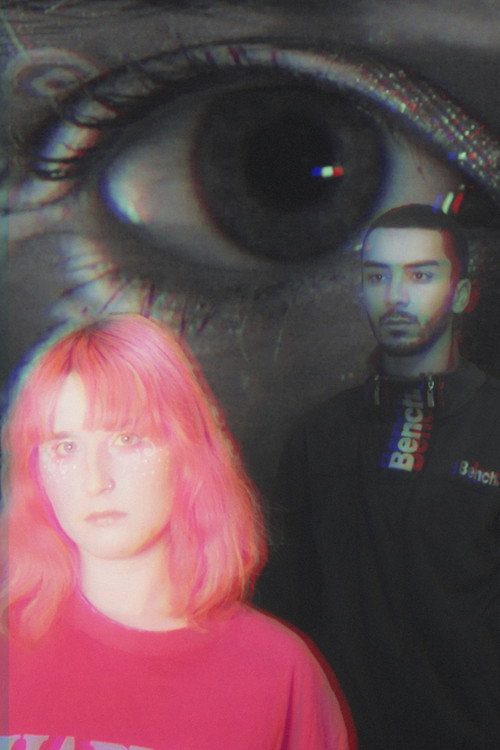
Orange is the new pink (2026)
Directed by charly strawly
There is a particular kind of critical experience that comes with reviewing a 13-minute French YouTube short film with fewer than one thousand views, directed by a bedroom-pop musician, featuring a cast of independent artists and one Reese Witherspoon (who, the research assures us, is not actually in it).
Consciousness Markers
The film features a small French indie cast assembled, by all evidence, on the basis of availability and personal connections rather than any programmatic diversity mandate. No casting agenda is detectable.
No LGBTQ+ characters, themes, or representation are present or reported in any source. The film is a social media stalker horror with no romantic or identity subplots of any kind.
A female protagonist being stalked online could, in a different film, serve as a vehicle for commentary on women's digital safety. Here there is no evidence the film frames it as such, and we decline to award points for vibes.
No racial themes, commentary, or consciousness-raising elements are present in any available description of the film's content.
The film concerns a YouTube vlogger and her stalker. The carbon footprint of social media is not among its preoccupations.
No anti-capitalist themes are present. The film does not appear to interrogate the attention economy, influencer culture, or platform capitalism in any deliberate way.
No body positivity messaging, representation, or commentary of any kind is present or reported.
No neurodivergent characters or themes are present in any available account of the film.
As a contemporary horror short set in the present day, the film has no historical dimension to revise.
Thirteen minutes of stalker horror on YouTube has generated zero evidence of moralizing, messaging, or any desire to improve the viewer's politics. A rare achievement.
Why it received this score
There is a particular kind of critical experience that comes with reviewing a 13-minute French YouTube short film with fewer than one thousand views, directed by a bedroom-pop musician, featuring a cast of independent artists and one Reese Witherspoon (who, the research assures us, is not actually in it). That experience is the experience of having very little to say, presented with the full weight of a formal critical apparatus. We press on regardless.
"Orange is the new pink" follows a young vlogger named Violette as she discovers a stalker-like figure haunting the background of her social media posts. It is a horror-mystery, and it behaves like one. The title is a wink at a well-known Netflix prison drama with robust progressive credentials, but the film itself shows no interest in inheriting those credentials. It is concerned with dread, not discourse. The stalker does not represent systemic oppression. Violette does not deliver a monologue about online harassment as a gendered phenomenon. The film simply frightens, or attempts to, and then ends.
On every axis of our evaluative framework, this film scores a clean and unambiguous zero. Not a charitable zero, not a "we couldn't find the evidence" zero, but a zero that reflects a film apparently made by people who had a horror concept and executed it without pausing to consult the cultural moment. In a landscape crowded with productions straining to demonstrate their awareness, Charly Strawly has made something almost aggressively inert on the social consciousness front. We note this without judgment. We note it, in fact, with a faint and inexplicable sense of relief.
Analysis generated by our Consciousness Algorithm
Synopsis
Orange is the new pink