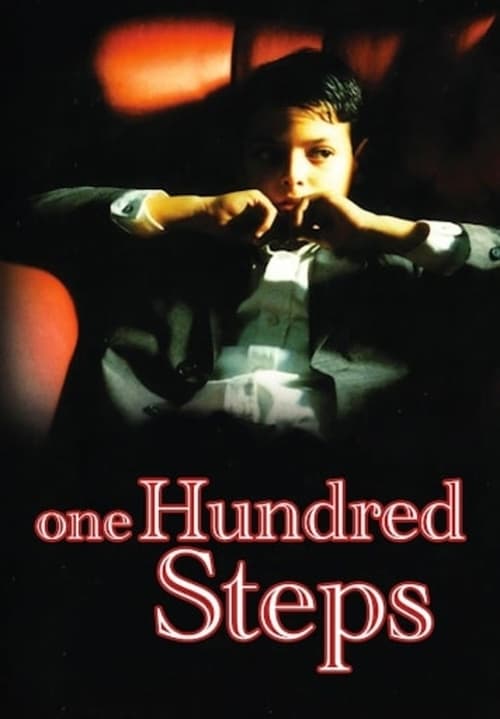
One Hundred Steps (2000)
Directed by Marco Tullio Giordana
No — One Hundred Steps is not woke, scoring 9 out of 100 on our wokeness meter.
One Hundred Steps arrives from 2000, a biographical crime drama about Peppino Impastato, a young man in Cinisi who used a pirate radio station to mock the local Mafia boss and was killed for it.
Consciousness Markers
The protagonist delivers political broadcasts and speeches against the Mafia, giving the film a didactic political charge.
Communist Party activism and anti-Mafia struggle appear, but the film targets organized crime rather than capitalism or wealth inequality.
The cast is entirely Italian/Sicilian, with no modern diversity casting or commentary on representation.
No LGBTQ+ characters, themes, or subtext appear in the film.
The mother has a role, but the film does not advance a feminist agenda or critique patriarchy.
The film deals with Sicilian Mafia and class politics, not racial consciousness or systemic racism.
No environmental or climate themes are present.
No body positivity themes or body-diverse representation.
No neurodivergent characters or themes.
It is a true-story biopic, not a revisionist reframing of history in the modern woke sense.
Why it received this score
One Hundred Steps arrives from 2000, a biographical crime drama about Peppino Impastato, a young man in Cinisi who used a pirate radio station to mock the local Mafia boss and was killed for it. The film is grave, well made, and entirely sincere. It also sits almost perfectly outside the contemporary cultural vocabulary we are tasked with measuring, which makes it an unusually clean specimen. There is nothing to decode here, no subtext smuggled in beneath the plot. What we have is a young man, a microphone, and a family that cannot protect him.
The cast is Sicilian and Italian throughout, with no gesture toward representational accounting. No LGBTQ thread runs through the story. The mother, Felicia, moves between her husband and her son with real weight, but the film has no interest in dismantling patriarchy. Race is absent as a subject. So is the climate. So are body politics and neurodivergence. The Mafia is the antagonist, and the Communist Party is the vehicle of resistance, which lends the proceedings a faint anti-wealth coloring without ever settling into an argument about capital itself. Peppino's radio broadcasts and campaign speeches carry a sermonizing charge, though the sermon is an old Italian one about civic courage. It lectures. It does not lecture about the things we now expect films to lecture about.
The result is a film that resists retrofitting. It is a true story told straight, with a mother's grief and a father's compromise given as much room as the politics. We classify it, we note its modest political temperature, and we move on. A respectable vintage. Light on the modern notes, and untroubled by that fact.
{"thematic_tags": ["true_story"]}
Analysis generated by our Consciousness Algorithm


Synopsis
Peppino Impastato is a quick-witted lad growing up in 1970s Sicily. Despite hailing from a family with Mafia ties and living just one hundred steps from the house of local boss Tano Badalamenti, Peppino decides to expose the Mafia by using a pirate radio station to broadcast his political pronouncements in the form of ironic humour.
Questions about One Hundred Steps
Is One Hundred Steps woke?
No — One Hundred Steps is not woke, scoring 9 out of 100 on our wokeness meter. That earns it a verdict of Ultra Based.
Does One Hundred Steps have any woke elements?
Very few. None of the 10 markers reaches 30, the level where a marker counts as present; the highest is Lecture Energy at 25.
How does One Hundred Steps compare to other 2000 movies?
It ranks #57 of the 125 films from 2000 we've scored; their average is 13. The wokest is But I'm a Cheerleader (72).
How is the Woke Score calculated?
An AI-assisted process researches the film and its reception, scores it 0–100 on ten markers, then combines those into one 0–100 Woke Score. It measures a specific set of 2020s cultural themes, not film quality.