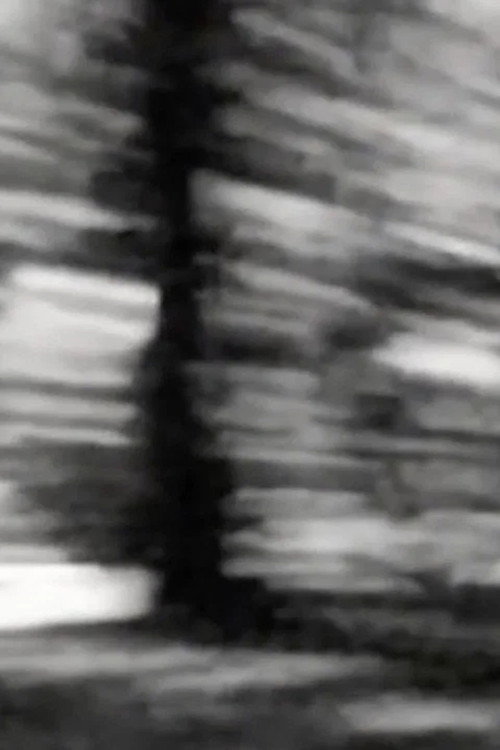
Moored Shadow (2026)
Directed by Karissa Hahn
Moored Shadow presents a singular challenge to this critical enterprise: it is a four-minute silent film composed almost entirely of whip-pans across a woodland, and it has absolutely nothing to say about systemic injustice, gender identity, or the redistribution of wealth.
Consciousness Markers
The film has no cast. There are no human characters to cast diversely or otherwise. The trees, shadows, and light flickers remain resolutely unauditioned.
Four minutes of 16mm woodland abstraction contain no discernible LGBTQ+ themes. The shadows do not identify.
The film is directed by a woman, but a feminist agenda requires more than a female filmmaker pointing a camera at trees. No feminist content is present in the work itself.
There are no characters, no dialogue, and no narrative. Racial consciousness cannot be expressed through whip-pans of dappled woodland light.
The film features woodland imagery, but the forest is treated as a formal optical subject, not a rhetorical one. No climate messaging is detectable at any frame rate.
No corporations, no wealthy antagonists, no systemic critique. The human-made artifacts glimpsed in the abstraction do not constitute an indictment of late-stage capitalism.
No human bodies appear in the film. Body positivity cannot be assessed in a context where bodies are entirely absent.
No characters exist whose neurological profiles could be celebrated or explored. The film's disorienting whip-pans may induce dizziness, but that is not the same thing.
The film has no historical content, no narrative, and no argument about the past. It is four minutes of abstracted light. History is not revised so much as ignored entirely.
A silent, non-narrative experimental short is structurally incapable of lecturing. There is no one to deliver the sermon and no audience within the film to receive it.
Why it received this score
Moored Shadow presents a singular challenge to this critical enterprise: it is a four-minute silent film composed almost entirely of whip-pans across a woodland, and it has absolutely nothing to say about systemic injustice, gender identity, or the redistribution of wealth. We have screened it carefully. We have screened it again. The trees remain trees, the shadows remain shadows, and the film stock remains stubbornly, almost aggressively, uninterested in contemporary social discourse.
Karissa Hahn works in the tradition of structural and materialist cinema, a lineage that concerns itself with the physical properties of celluloid, the behavior of light, and the act of seeing itself. This is, it turns out, a nearly impenetrable fortress against the progressive sensibilities we have been tasked with measuring. There are no characters to cast diversely. There is no dialogue through which a character might explain their lived experience. The human-made artifacts flickering at the edge of abstraction do not represent the alienation of labor under capitalism; they are simply objects that happen to exist near trees. We have noted this and moved on.
The film premiered at the New York Film Festival, which is perhaps the most culturally progressive venue in American cinema, and still managed to generate zero discourse about representation, equity, or social awareness. This is an achievement of a kind. Moored Shadow scores a zero across all ten markers, a result so clean and complete that it feels almost like a statement, though of course it is not one. It is just a very short film about light.
Analysis generated by our Consciousness Algorithm
Synopsis
In Karissa Hahn's enigmatic silent film, a series of dizzying whip-pans seems to reveal a sunlit woodland scene, which quickly dissolves into abstracted shapes, flickers of shadow and light, and curious traces of the natural and human-made.