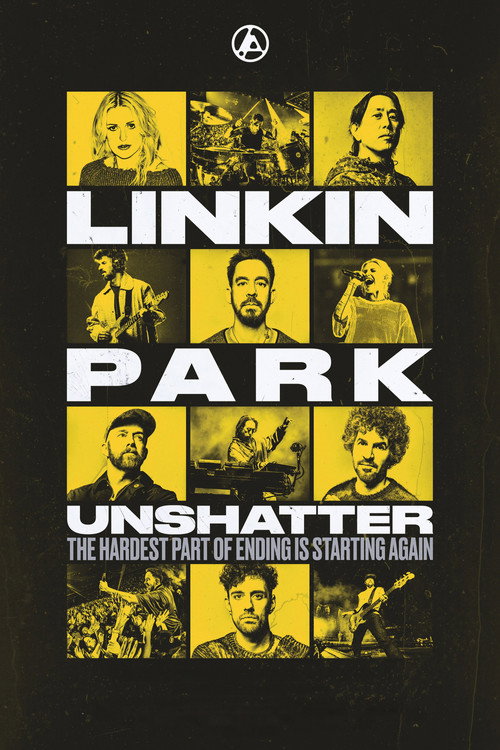
LINKIN PARK: UNSHATTER (2026)
Directed by Joe Hahn
LINKIN PARK: UNSHATTER is a documentary that arrives with a thesis embedded in its title: the band broke, and now it is less broken.
Consciousness Markers
Emily Armstrong's arrival as a female co-lead vocalist in a historically male nu-metal band is a genuine representation milestone, and the film does not pretend otherwise. Mike Shinoda explicitly frames the backlash against her as gender-motivated discomfort, making the documentary a partial meditation on women in rock spaces, though this is one thread among several rather than the film's organizing principle.
The film engages with the gendered dimension of Armstrong's reception, and Shinoda's on-camera framing of the backlash carries a mild feminist charge. It stops well short of polemic, but the film does position Armstrong's struggle for acceptance as something more than a simple personnel dispute.
The documentary carries a quiet earnestness about grief, resilience, and the ethics of continuing after loss, and there are moments where the band's self-reflection shades into the therapeutic register that modern audiences associate with structured moral instruction. It is, however, a grief documentary about a real tragedy, which earns it considerably more latitude than a film that manufactured its stakes.
Director Joe Hahn's Korean-American identity was discussed in AAPI-focused press surrounding the film, but this framing appears to be largely external to the documentary's actual content. The film itself does not foreground racial identity as a theme.
Chester Bennington's son publicly accused the band of attempting to erase his father's legacy, which introduces a faint revisionist tension into the documentary's narrative of healing and renewal. The film does not appear to actively erase Bennington, but its framing of the new chapter as triumphant has not gone uncontested.
No LGBTQ+ themes, characters, or commentary are present in any documented element of this film.
No climate themes, environmental messaging, or ecological commentary of any kind appear in this film.
No anti-capitalist sentiment is present. The film is, among other things, a document of a major rock band relaunching a commercial enterprise, and it does not appear troubled by this fact.
No body positivity themes or related discourse appear in the film or its documented promotional materials.
No neurodivergence themes are present. The film's mental health content relates specifically to grief and bereavement rather than neurodivergent identity.
Why it received this score
LINKIN PARK: UNSHATTER is a documentary that arrives with a thesis embedded in its title: the band broke, and now it is less broken. Director Joe Hahn, the band's longtime visual architect and a Korean-American artist whose insider access gives the film an unusual intimacy, constructs a chronological argument from 2022 studio hesitations through the São Paulo concert that serves as the film's emotional climax. The grief is genuine. The footage is rare. The film knows exactly what story it wants to tell, and it tells it with the focused efficiency of people who have spent two decades making albums with clear opening tracks and clear closing ones.
The most culturally charged element here is not anything the filmmakers planned. Emily Armstrong's arrival as co-lead vocalist in a genre that has historically treated female frontwomen as a novelty or a threat generated a volume of public discourse that the film cannot entirely sidestep. To its credit, it does not try. Mike Shinoda addresses the gendered nature of the backlash with a directness that is genuinely notable for a self-produced band documentary, a format that typically reserves candor for the parts of the story that have already been won. Whether this constitutes a feminist statement or simply a factual observation about the internet is a distinction the film declines to make, wisely. It presents the argument and moves on to the next song.
Where the film accumulates its modest progressive sensibilities, it does so through the grammar of modern therapeutic culture rather than through any explicit ideological program. The language of healing, of processing, of moving forward in a healthy way, permeates the interview segments with the low-level hum of a podcast recorded in a room with good acoustics. This is the lingua franca of 2020s rock documentaries, and LINKIN PARK: UNSHATTER speaks it fluently without being consumed by it. The concert footage, when it arrives, has the good manners to be loud.
Analysis generated by our Consciousness Algorithm
Synopsis
After a seven-year hiatus following the devastating loss of their beloved bandmate Chester Bennington, LINKIN PARK'S remaining members struggled to find their way forward. Their shared history and enduring friendship, combined with the fresh perspective of two new band members Emily Armstrong and Colin Brittain spark a renewed creative energy that leads them on a transformative journey of artistic reinvention. Following the band from intimate 2022 studio sessions through their explosive FROM ZERO album release and concert in São Paulo, this documentary weaves together rare vault footage, electrifying performances from sold-out shows, and candid interviews with band members and fans—capturing the raw, honest story of what it means to start over.