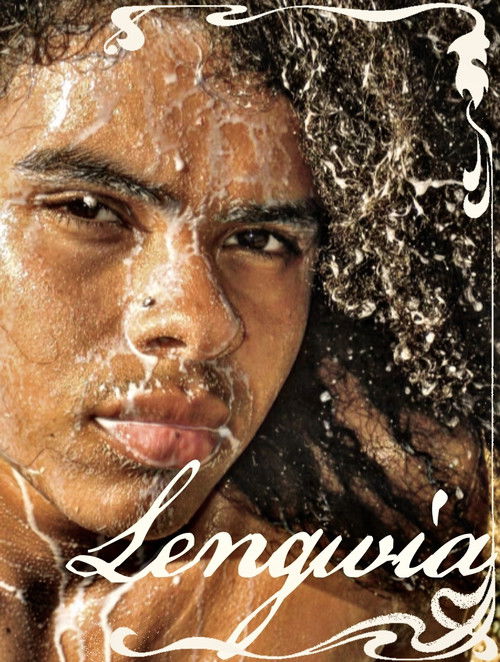
Lengwìa (2026)
Directed by Brazil Mouton
Brazil Mouton's debut feature, Lengwìa, arrives with the quiet self-sufficiency of a film that has absolutely nothing to prove to any institution, awards body, or cultural discourse.
Consciousness Markers
The language of 'yearning' and an intense male friendship that deepens beyond words carries a faint undercurrent of unspoken desire, but nothing in the available evidence confirms an explicit LGBTQ+ narrative or framing. The ambiguity is noted but not scored heavily.
Teddy is described as 'socially awkward,' which gestures toward neurodivergent characterization, but the film does not appear to frame this identity explicitly or advocate around it. It is characterization, not a cause.
The cast appears to include people of color in the lead roles, but there is no evidence this was foregrounded as a statement or used to signal progressive intent. It reads as organic casting of an independent production, not a deliberate representational agenda.
No feminist themes, female-centered narrative, or gender politics are evident in the film's synopsis, research, or thematic framing.
No evidence of racial consciousness as a thematic or ideological concern. Race does not appear to be a subject the film is organized around.
No climate or environmental themes are present. The 'blistering summer' is atmospheric, not allegorical.
No anti-capitalist critique, class commentary, or wealth-related themes are discernible in the available material.
The film engages with the body as a site of pain and self-harm, which is the opposite of the affirmative, celebratory framing that defines the body positivity movement. This marker does not apply.
The film is a contemporary personal drama with no historical setting or revisionist ambitions.
All available evidence points to a film that withholds judgment and declines to moralize. There is no documented preachy energy, no corrective messaging, and no character positioned as the audience's ideological guide.
Why it received this score
Brazil Mouton's debut feature, Lengwìa, arrives with the quiet self-sufficiency of a film that has absolutely nothing to prove to any institution, awards body, or cultural discourse. It is a micro-budget independent drama about a socially awkward teenager, a volatile summer friendship, and the specific misery of existing in the shadow of a more charismatic sibling. The film's concerns are interior and personal. They do not extend to the correction of systemic inequities, the reclamation of underrepresented narratives, or the careful assembly of a demographically balanced ensemble designed to generate goodwill on social media.
The thematic vocabulary here is loneliness, emotional dependency, and the body as a site of distress instead of celebration. These are old, serious, human preoccupations. The film's content advisories around self-harm and psychological control suggest a work interested in depicting pain honestly, not in packaging it for uplift. No character exists to deliver a lesson. No subplot arrives to contextualize the personal within the political. The summer just burns, and the boys are damaged by it, and the film does not explain why this should concern us beyond the fact that it is happening.
In the taxonomy of contemporary progressive sensibility, Lengwìa is essentially a ghost. It generates no discourse, courts no demographic, and advances no agenda legible to the current cultural moment. A film this indifferent to approval is, in its own quiet way, a minor act of defiance. We note it, file it under "drama," and move on.
Analysis generated by our Consciousness Algorithm
Synopsis
After an agonizing school year bruises his relationship with his well-liked older brother Jonah, socially awkward Teddy meets Cole, a disarming boy, by chance on the street. As their friendship deepens, actions begin to speak louder than words, unraveling the fragile balance between brotherhood, belonging, and yearning during a blistering summer break.