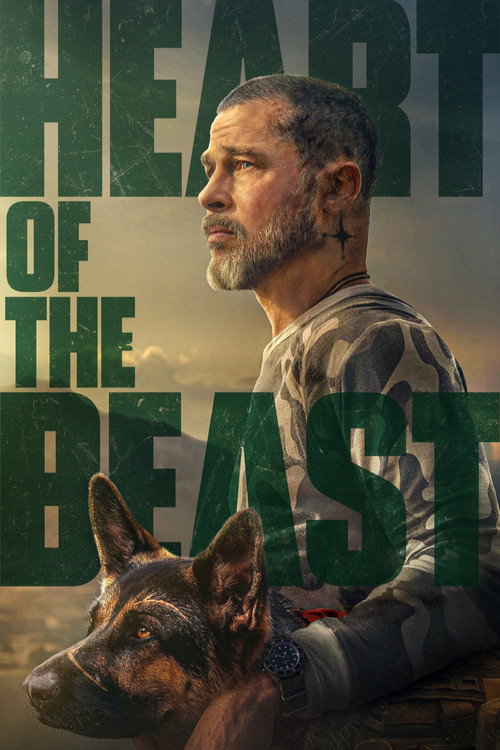
Heart of the Beast (2026)
Is Heart of the Beast woke? No. Woke Score 8/100 (Ultra Based).
Directed by David Ayer · $20.5M domestic
No · Ultra Based
How we score movies →Consciousness Markers
PTSD is a significant and explicit thematic concern for both the human veteran protagonist and his canine companion. The film gives emotional weight to psychological trauma and behavioral wounds from combat service, though it stops short of systemic critique.
Anna Lambe, a prominent Inuk actress, is cast in a film set in Alaska, and the soundtrack draws on the Inuit group Pamyua. Critics noted these elements felt like atmospheric texture rather than substantive representation, which limits the score considerably.
Indigenous cultural elements are present through casting and music, but the film does not engage with race as a conscious theme. The representation is incidental to the survival narrative rather than interrogative of it.
No LGBTQ+ themes, characters, or subtext are present anywhere in the film. A man, a dog, and a glacier. The film declines to complicate this arrangement.
The film was characterized by multiple critics as a traditional male fantasy about wilderness survival. There is no feminist framing, no subversion of gender dynamics, and no apparent interest in either.
Alaska provides the hostile setting, but the film treats the wilderness as a dramatic backdrop, not a platform for climate commentary. The cold is the enemy because it will kill you, not because of emissions policy.
No anti-capitalist themes are present. The film was praised by conservative outlets, which is a reliable contra-indicator for this marker.
There is a three-legged dog, which is genuinely affecting, but this does not constitute body positivity discourse in any recognizable sense. We will not be crediting Odin's prosthetics to this category.
The film presents no revisionist historical framing. Military service is treated with straightforward reverence, and no received historical narrative is challenged or complicated.
Faith-based and conservative outlets praised the film warmly. This is not a film that has gathered the audience together to explain something to them. It is, in the words of one critic, a burger.
Synopsis
After a harrowing plane crash, Special Forces officer James Belmont and his combat dog, Odin, find themselves stranded deep in the Alaskan wilderness. Together, they are forced into a brutal fight for survival against the elements.
Why it received this score
David Ayer's *Heart of the Beast* arrives as a kind of cultural counter-signal, a film so conspicuously uninterested in the progressive sensibilities of its era that its very existence functions as a position statement. A Special Forces veteran and his three-legged combat dog survive the Alaskan wilderness together. That is the film. Ayer, who has spent his career in the company of damaged men doing violent things in difficult conditions, has here stripped the formula to its most elemental: cold, loyalty, and the specific kind of suffering that does not come with a support group.
The film's most notable gesture toward contemporary awareness is the casting of Anna Lambe and the incorporation of Inuit musical group Pamyua on the soundtrack. These are not nothing. Lambe is a genuine talent and a prominent Indigenous voice in Canadian media. The film, however, appears to have engaged her services with the same energy one uses to select a location permit: respectfully, efficiently, and without much follow-through. Critics who noted the Indigenous elements felt like "set dressing" are not being uncharitable. They are being accurate. The PTSD threading, applied to both Brad Pitt's veteran and his canine counterpart with apparent sincerity, is the film's most substantive engagement with psychological interiority, and it earns a modest acknowledgment here.
What conservative and faith-based outlets recognized in this film, and celebrated, is its fundamental lack of agenda. The wilderness does not represent extractive capitalism. The military backstory does not invite ethical interrogation. The dog's missing leg is not a metaphor for systemic harm. This is, as one critic memorably put it, a red-blooded, conservative middle American burger of a film, and the burger is not apologizing for being a burger. In our current taxonomy, that earns a score so low it nearly disappears into the permafrost.
Analysis generated by our Consciousness Algorithm
Critic Reviews
“Pitt plays a deeply emotive role, simple in concept, but complex in portraying the extent of hardship Belmont experiences. There is a limit to human endurance and Pitt convinces us that he is capable of surpassing it. ”
“Ayer, who previously worked with Pitt in the 2014 World War II tank drama “Fury,” never loses focus on the bond between his two principals. Man and dog and their connection are the elements that grip the audience and never let go from beginning to end. Thanks to that, this “Beast” is singularly moving.”
“Heart of the Beast is a gripping wilderness survival film that will work especially well on dog lovers and those who like to see Brad Pitt get beaten up.”
“Pitt may be one of the last certified movie stars, despite the ugly reputational problems he’s always just managing to evade, but he’s an unpredictable screen presence who is often at his best as a foil, not as the gravitational center of a narrative. He may look strong and admirably silver flecked in his camo pants and flannel onscreen, but he’s in the exactly wrong sort of project — one that relies on him to carry everything himself.”