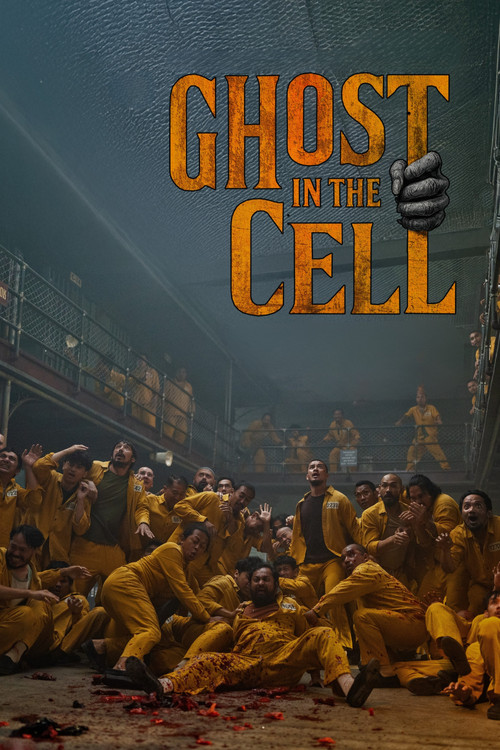
Ghost in the Cell (2026)
Directed by Joko Anwar
Joko Anwar's Ghost in the Cell arrives from the 2026 Berlinale with the particular confidence of a filmmaker who has decided that the best way to discuss deforestation, penal abuse, and institutional corruption is to have a supernatural entity tear people apart in a prison.
Consciousness Markers
The film's class architecture is its dominant political statement: wealthy convicts bribe their way into luxury cells and temporary freedom while impoverished inmates suffer abuse and overcrowding. Corporate negligence and worker exploitation are woven into the narrative as targets of the supernatural threat.
The supernatural entity is explicitly and publicly described by the director as a metaphor for deforestation and ecological destruction in Indonesia. Anwar linked the threat directly to corporate environmental negligence in pre-release statements, making climate critique a structural element of the plot.
The supernatural entity operates as a literal moral sorting mechanism, targeting characters in order of their corruption severity. When the villain is identified by a ghost based on his aura of wrongdoing, the film's ethical argument is not subtext. Anwar openly describes the horror-comedy format as a delivery vehicle for socio-political messaging, which tracks.
The cast is Indonesian in an Indonesian film made by Indonesian filmmakers about Indonesian society. This is not representation casting in the 2020s DEI sense; it is simply a film existing in its own cultural context without self-congratulation.
No LGBTQ+ characters, themes, or subtext are present in any available synopsis, critical review, or director statement.
No feminist framing, female-empowerment narrative, or gender critique is present. The film's political register is class and corruption, not gender.
Race is not a lens the film applies. The class war depicted is between corrupt elites and the imprisoned poor within a single national context, with no racial consciousness framing in evidence.
No body positivity themes, messaging, or character framing are present in any available material.
No neurodivergent characters or themes are identified in any synopsis, review, or director commentary.
The film is not engaged in historical revisionism. It critiques present-day Indonesian institutional corruption rather than reframing any historical narrative.
Why it received this score
Joko Anwar's Ghost in the Cell arrives from the 2026 Berlinale with the particular confidence of a filmmaker who has decided that the best way to discuss deforestation, penal abuse, and institutional corruption is to have a supernatural entity tear people apart in a prison. The logic is sound. The entity in question targets its victims by the severity of their moral crimes, which means the film has constructed an invisible force that is, in effect, a walking op-ed. The warden, the corporate criminals lounging in air-conditioned cells, the guards who charge fees for basic dignity: all of them are on the list. The poor and the wrongfully imprisoned are largely spared. The ghost has done its research.
The anti-capitalist architecture here is not subtle, and Anwar has not tried to make it subtle. Wealthy inmates bribe their way into luxury accommodations and day passes; impoverished inmates are stacked in conditions that would concern a livestock regulator. The supernatural threat is also, per the director's own statements, a metaphor for Indonesian deforestation, which means the film is carrying two separate political arguments simultaneously while also being a splatter-horror comedy. This is an ambitious cargo load. Whether the genre vehicle groans under the weight or accelerates through it is a matter for individual viewers to determine, but the ambition itself is not in question.
What distinguishes Ghost in the Cell from its Western counterparts in the socially conscious horror space is its specificity. This is not a generalized parable about power. It is a film made by an Indonesian director, about Indonesian prisons, Indonesian corruption, and Indonesian forests burning. The progressive sensibilities on display are rooted in a concrete national frustration rather than imported from a cultural style guide. The lecture energy is real, and the entity's moral-sorting mechanics leave little room for ambiguity, but the anger behind it reads as earned rather than performed. That is, in this taxonomy, a meaningful distinction.
Analysis generated by our Consciousness Algorithm
Synopsis
In a notorious prison, an invisible force begins killing inmates brutally, compelling enemy gangs and corrupt guards to work together as they try to survive the mounting bloodshed.