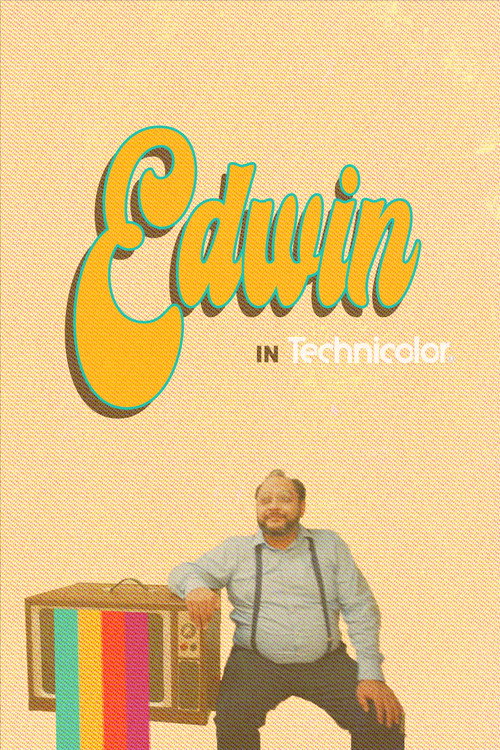
Edwin: In Technicolor (2026)
Directed by Jeff Tolk
Edwin: In Technicolor is an independent comedy about a struggling television salesman whose life disintegrates around him, and it is, by the standards of contemporary cinema, a remarkably quiet document.
Consciousness Markers
The lead is a Latino actor in a non-stereotyped role, and women occupy several supporting positions. There is no evidence this was programmatic rather than incidental, but the diversity of the ensemble is at least present.
A protagonist who sells consumer electronics and is failing at life carries a faint whiff of anti-consumerist pathos, but nothing in the available record suggests the film pursues this as a conscious ideological argument.
No LGBTQ+ themes, characters, or messaging have been identified in any available material about this film.
No feminist framing, female empowerment arc, or gender-politics commentary is evident. The film centers a male protagonist navigating personal collapse without apparent ideological scaffolding.
No racial consciousness discourse, systemic racism commentary, or identity-politics framing has been found in any description or review of the film.
A film about a TV salesman contains no documented environmental messaging, climate anxiety, or ecological subtext.
No body positivity themes or messaging have been identified in any material related to this film.
No neurodivergent characters, themes, or representation have been identified in any available material.
The film is a contemporary comedy with no historical setting or revisionist ambitions of any kind.
No evidence of sermonizing, moralizing, or on-the-nose social messaging has been found. The film appears to observe its protagonist without instructing the audience on how to feel about the world.
Why it received this score
Edwin: In Technicolor is an independent comedy about a struggling television salesman whose life disintegrates around him, and it is, by the standards of contemporary cinema, a remarkably quiet document. No agendas announce themselves. No character delivers a speech about systemic forces. Edwin sells televisions, his life falls apart, and the film watches this happen with the detached curiosity of a naturalist observing a beetle on its back.
The casting of Moises L. Tovar as a lead carries a Latino name above the title, which is the sort of detail that, in a different film, would be the opening move in a larger argument. Here it appears to simply be casting. The ensemble includes women in notable roles, which is also the sort of thing that, in a different film, would be a statement. Here it appears to simply be an ensemble. The film's apparent commitment to depicting the absurdity of modern working-class life could, with sufficient squinting, be read as a mild critique of consumer capitalism. Edwin sells televisions. He is not doing well. This is, at most, an observation.
Jeff Tolk has directed a film that exists almost entirely outside the taxonomy we are tasked with applying. It is either a genuine anomaly or a masterclass in keeping one's head down. The score reflects this with the clinical precision the subject demands: a film about a man whose life falls apart, assessed by critics whose job is to determine whether that falling apart was sufficiently progressive. The answer, in this case, is no. Edwin simply falls apart. Alone, in no particular direction.
Analysis generated by our Consciousness Algorithm
Synopsis
When struggling TV salesman Edwin's life begins to fall apart, he is forced to navigate and confront the absurdity of his life.