Dust (2026)
Directed by Isaac Lounsbury
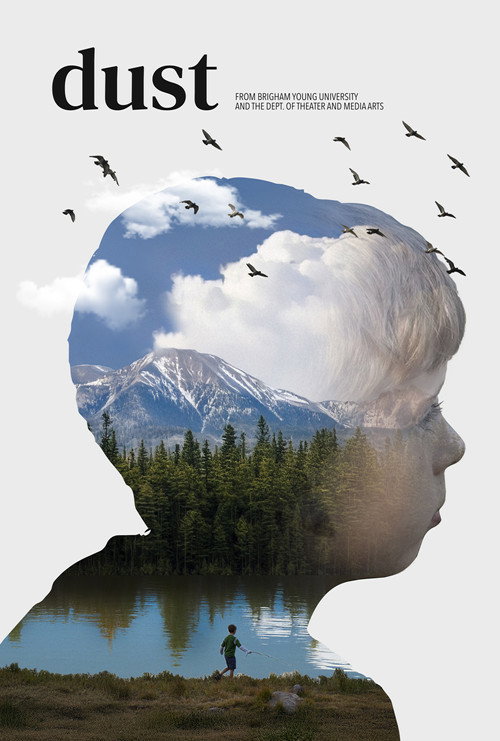
Dust is a 22-minute short film produced by Brigham Young University in which a small child sees a dead deer and has feelings about it.
Consciousness Markers
A gentle philosophical undertone about the cycle of existence is present, but it is delivered through the sincere eyes of a six-year-old, not a keynote speaker. The score is 2 only because the film does, technically, have a point.
The cast appears to be a conventional nuclear family unit on a backpacking trip. No evidence of casting driven by diversity or representation imperatives.
There are no LGBTQ+ characters, themes, or subtext anywhere in the available record. A child looking at a dead deer does not count.
The film presents no feminist framing, no critique of patriarchal structures, and no gendered power analysis. It is about mortality. A universal subject, handled without agenda.
No racial commentary, no examination of systemic racism, no discourse around race is present or documented. The wilderness does not discriminate.
The film is set in nature and engages with the cycle of life, but there is no climate messaging, no environmental activism, and no suggestion that the dead deer is a metaphor for industrial collapse.
No critique of capitalism, wealth, or economic systems is present. The family is simply hiking. No one is eating the rich.
Body image is not a theme, a subtext, or a passing concern in this film. None detected.
Sam's philosophical curiosity is framed as childhood wonder, not as a neurodivergent identity to be celebrated or examined. No such framing is documented.
The film is an original existential drama with no historical setting or revisionist intent. History is not on the agenda.
Why it received this score
Dust is a 22-minute short film produced by Brigham Young University in which a small child sees a dead deer and has feelings about it. We have reviewed the available cultural record with our full critical apparatus and found no diversity initiatives, no systemic critique, no gender politics, and no discernible effort to radicalize the viewer. This is, by the metrics of our era, an almost aggressively neutral document.
Isaac Lounsbury frames mortality through the perception of a six-year-old named Sam, which is either a disarmingly pure artistic choice or a complete refusal to engage with contemporary discourse. Possibly both. The film's concern is the cycle of existence, a theme so old and universal that it predates the concept of having opinions about it. Nature, loss, wonder. No villains. No systems to dismantle. The wilderness simply is, and Sam simply watches, and the film simply ends. BYU's involvement ensures that any lurking progressive sensibilities were likely reviewed by a committee before production.
The lecture energy score of 2 is awarded reluctantly, on the grounds that any film with a philosophical theme is, in some technical sense, saying something. Dust says that things die and children notice. We have filed this finding and moved on.
Analysis generated by our Consciousness Algorithm
Synopsis
Sam's curiosity about life and death deepens on a family backpacking trip, where we see nature, loss, and the cycle of existence through the lens of a six-year-old child.