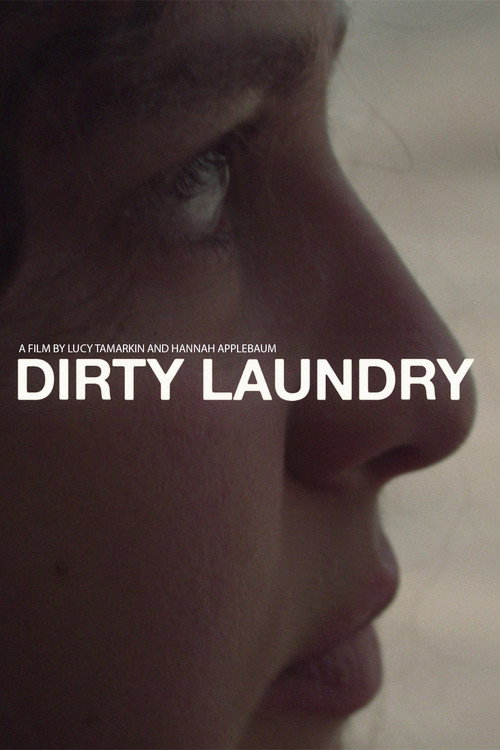
Dirty Laundry (2026)
Directed by Lucy Tamarkin
Dirty Laundry is a 16-minute short film about a young writer confronting life after college, which is either a deeply universal subject or a deeply specific one depending on how you feel about young writers confronting life after college.
Consciousness Markers
The film is written by, directed by, and centered on a young woman navigating post-college life as a writer. This is a mild signal at best, the kind of female-led personal story that predates the current feminist agenda by several decades.
A young writer facing post-college reality carries a faint whiff of precariat anxiety, but there is no documented anti-capitalist framing or messaging. The score reflects genre convention, not evidence.
No evidence of deliberate representation casting strategy. The cast appears to be a close-knit ensemble, many sharing a surname, suggesting a personal or family production rather than a diversity mandate.
No LGBTQ+ themes, characters, or messaging have been identified in any available material about this film.
No evidence of racial consciousness themes, commentary on systemic racism, or related messaging in the film's premise or available materials.
No climate, environmental, or ecological themes have been identified. The film appears entirely focused on personal and domestic concerns.
No body positivity themes or messaging have been identified in any available material.
No neurodivergence themes, characters, or representation have been identified in the film.
The film is a contemporary personal drama with no historical setting or revisionist framing of any kind.
No evidence of preachy messaging, sermonizing, or on-the-nose ideological speechifying in any available description or commentary.
Why it received this score
Dirty Laundry is a 16-minute short film about a young writer confronting life after college, which is either a deeply universal subject or a deeply specific one depending on how you feel about young writers confronting life after college. Director Lucy Tamarkin and writer-star Hannah Applebaum have produced what appears to be a personal, intimate work, the kind of film assembled from real relationships and genuine feeling rather than studio calculation. The cast shares surnames in a way that suggests a family reunion was involved at some point in the production. We note this without judgment.
From a social consciousness standpoint, the film presents a modest challenge to our instruments. A female writer, written and directed by female collaborators, navigating the post-collegiate wilderness is the sort of premise that technically activates our feminist marker, yet it does so in the quiet, pre-ideological way that Nora Ephron or Joan Didion might have recognized, not in the way of a 2024 prestige drama with a thesis statement in every scene. The remaining markers return uniformly silent readings. No climate anxiety. No systemic critique. No lecture energy of any detectable frequency. The film is, in the parlance of our trade, clean laundry.
At a popularity score of 2.38 and zero recorded votes, Dirty Laundry has not yet been subjected to the cultural machinery that usually tells us what to think about a film. This is, in its own way, refreshing. We are left to assess the work on its meager available evidence, and that evidence suggests a small, personal story told with apparent sincerity. The progressive agenda, if present at all, has been folded neatly and put away in a drawer where no one will find it.
Analysis generated by our Consciousness Algorithm
Synopsis
A writer faces the reality of life after college.