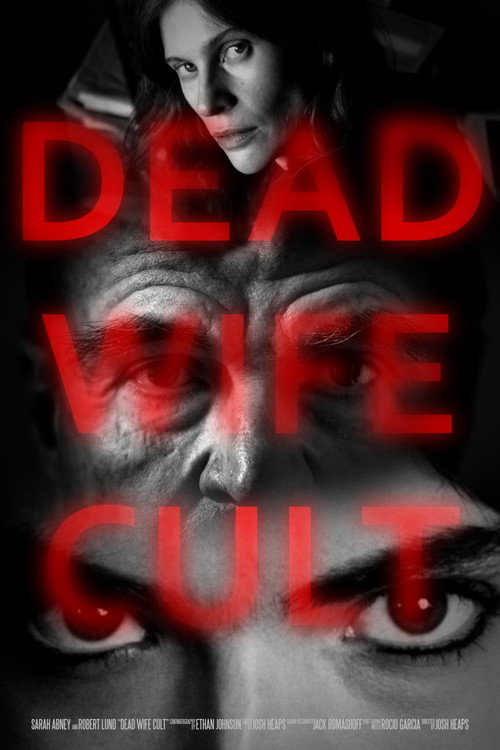
Dead Wife Cult (2026)
Directed by Josh Heaps
Dead Wife Cult is a nine-minute documentary about Zoë Lund, the actress and screenwriter best known for Ms. 45 and her screenplay for Bad Lieutenant, as remembered by her widower and one devoted fan.
Consciousness Markers
Zoë Lund was a woman working in transgressive, male-dominated exploitation cinema, and the film implicitly frames her legacy as worthy of serious attention. The framing is respectful rather than polemical, and the feminist reading is incidental at best.
This is a documentary about a specific real person. There is no casting agenda, diverse or otherwise. The subjects are who they are because they knew Zoë Lund.
No LGBTQ+ themes are present or documented in this nine-minute retrospective. None.
No racial consciousness themes are present or documented in the film's content or reception.
A nine-minute documentary about a cult actress has no discernible interest in the climate. Zero.
No anti-capitalist messaging is present. The film exists in the countercultural genre space, but does not editorialize about economic systems.
No body positivity themes are present or documented. The film does not engage with this subject.
No neurodivergence themes are present or documented in the film.
The film is a straightforward retrospective tribute, not a revisionist reframing of history. It celebrates Lund's legacy without apparent agenda to correct a cultural record.
At nine minutes, there is barely enough runtime to establish a subject, let alone sermonize about one. No lecture energy detected.
Why it received this score
Dead Wife Cult is a nine-minute documentary about Zoë Lund, the actress and screenwriter best known for Ms. 45 and her screenplay for Bad Lieutenant, as remembered by her widower and one devoted fan. Director Josh Heaps has made something that is, by every measurable standard, the opposite of a cultural flashpoint. It screened at Arrow Video's Grindfest and a festival in Baltimore, and then, presumably, the world continued rotating on its axis without incident.
We note, with the gravity this observation deserves, that the film contains no discernible progressive agenda of the modern variety. Zoë Lund was a countercultural figure who wrote op-eds in favor of drug decriminalization, which is the sort of politics that predates the current taxonomy entirely and therefore resists classification. The documentary's implicit suggestion that a woman who made transgressive films in the 1980s deserves to be remembered earns a modest score on the feminist marker, but only in the way that gravity earns points for being a force. It is simply present, unremarked upon, doing its work.
This is, in short, a small film made with apparent sincerity about a largely forgotten person, screened for audiences who already cared. The social consciousness reading requires a microscope we do not currently own. We have scored it accordingly, with the same solemn resignation we bring to all things.
Analysis generated by our Consciousness Algorithm
Synopsis
The life of cult icon Zoë Lund, through the eyes of her widower and an avid fan.