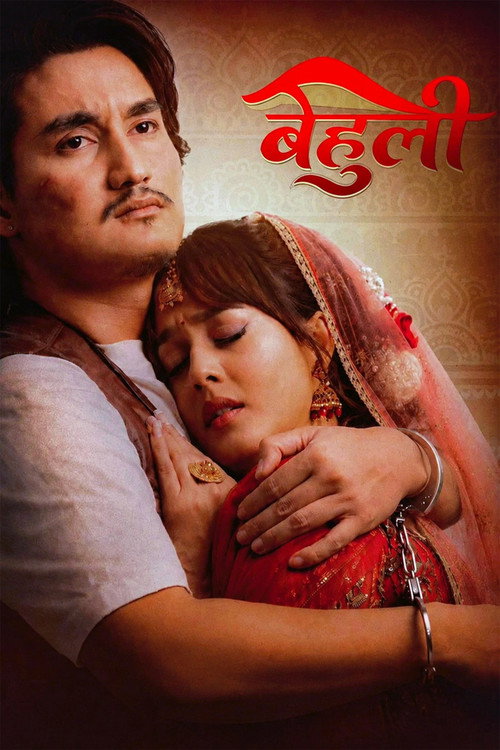
Behuli (2026)
Directed by Sashan Kandel
Behuli, released into the warm seasonal embrace of Nepal's Teej festival, is a film that knows exactly what it is and deploys that self-knowledge with admirable economy.
Consciousness Markers
The protagonist seeks self-determination in marriage against family opposition, which carries a mild feminist undertone. This is, however, the plot of approximately half of all romantic dramas ever produced, and the film frames its resolution through finding a loving husband rather than rejecting the institution.
The framing of family constraint versus personal freedom carries a gentle implicit argument, but no reviewer or commentator flagged any sermonizing. The film appears to make its point quietly and then get on with the romance.
The cast reflects the Nepali film industry's standard ethnic and regional composition, with no documented effort to engineer diversity for ideological purposes. The representation here is simply local cinema being local.
No LGBTQ+ themes, characters, or subtext are present. The film is, by every available account, a straightforwardly heterosexual romance timed to a Hindu marriage festival.
No racial consciousness framing is present. The film operates entirely within a single cultural context and shows no interest in interrogating it through a racial lens.
No climate themes are detectable. The production team did donate to Bhotekoshi flood relief during their promotional tour, which is admirable community behavior and entirely irrelevant to the film's content.
No anti-capitalist messaging is present. The heroine's dream involves a loving husband and a beautiful life, which is closer to aspirational than revolutionary.
No body positivity discourse is present or implied. The film does not appear to have engaged with this topic in any form.
No neurodivergent characters or related themes are documented in any available material about this film.
The film is a contemporary romantic drama with no historical setting and no apparent interest in reexamining the past.
Why it received this score
Behuli, released into the warm seasonal embrace of Nepal's Teej festival, is a film that knows exactly what it is and deploys that self-knowledge with admirable economy. It concerns a young woman, unsupported by her family, who wishes to marry someone who will love her and allow her to live on her own terms. This is, to be precise, the plot. The marketing team underlined the romantic tension by sending the lead actors on a press tour in which the heroine wore traditional bridal dress and the hero wore handcuffs. Whether this was intentional surrealism or straightforward commercial instinct, the effect is the same: a film that frames female aspiration entirely within the institution of marriage, which is not the posture of a film eager to dismantle anything.
The degree of social consciousness present here is approximately that of a greeting card that has read one article about women's empowerment and decided to keep things general. The protagonist's desire for self-determination is real, the family opposition is real, and the resolution presumably involves the correct man with the correct disposition arriving at the correct moment. This is the grammar of romantic drama across every culture that has ever produced romantic drama. The film's Teej timing is instructive: Teej celebrates marriage, wifely devotion, and family continuity. Scheduling a film about a bride's romantic struggle against family opposition during a festival consecrated to those same institutions is not subversion. It is scheduling.
No documented controversy, no ideological debate, no boycott from any quadrant of the political compass followed this film into theaters. It earned approximately NPR 29.9 million, was outpaced by a film called Pension Patta, and the cast donated to flood relief on their promotional tour. These are the facts. The film scores near-zero across the full spectrum of contemporary progressive markers, not because it is reactionary, but because it is simply elsewhere, operating in a cinematic tradition that has not yet received the memo and shows no signs of being troubled by this.
Analysis generated by our Consciousness Algorithm
Synopsis
An emotional family drama about a young woman who lacks the support of her family. She dreams of finding a loving husband who will cherish her, help her build a beautiful life, and give her the freedom to live on her own terms.