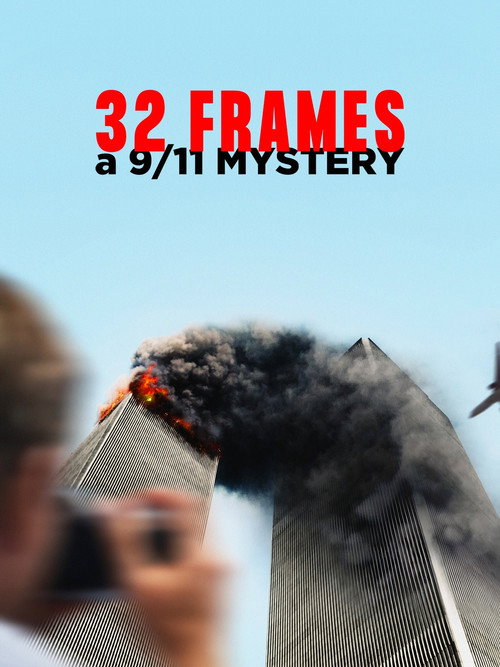
32 Frames: A 9/11 Mystery (2026)
Directed by Jon Walczak
A documentary about 32 photographs recovered from a camera buried in the rubble of the World Trade Center arrives in 2026, and it has the audacity to simply be about what it says it is about.
Consciousness Markers
The documentary's subjects are determined by who happened to be at the World Trade Center on September 11, 2001. No curatorial identity politics are present or detectable.
No LGBTQ+ themes, framing, or representation appear in any available research or critical coverage of the film.
No feminist framing or agenda is present. The investigation is conducted on forensic and archival grounds, not gendered ones.
Race is neither a lens nor a subject in this documentary. No racial consciousness framing appears in the film or its surrounding discourse.
Climate themes are entirely absent. This is a historical mystery documentary set in 2001.
No anti-capitalist critique is present. The film does not engage with the symbolic or economic dimensions of the World Trade Center's identity.
Body positivity themes are entirely absent from the film's content and surrounding discourse.
No neurodivergence themes or framing appear anywhere in the film or its critical reception.
The documentary works to preserve and restore the historical record of 9/11, not to reinterpret it through a contemporary ideological framework. Archival fidelity is its explicit goal.
The film's only advocacy is for government transparency via FOIA litigation, a civic norm with bipartisan support. There is no progressive sermonizing in evidence.
Why it received this score
A documentary about 32 photographs recovered from a camera buried in the rubble of the World Trade Center arrives in 2026, and it has the audacity to simply be about what it says it is about. Director Jon Walczak, an investigative journalist by trade, applies forensic discipline to the task of identifying an unknown photographer from visual clues embedded in each frame. No broader thesis is offered. No contemporary lens is applied. The film concerns itself with a dead person and the 32 images they left behind, and it treats that subject with the kind of quiet seriousness that makes a cultural taxonomist's job genuinely tedious.
The discourse surrounding the film is, from our analytical perspective, almost aggressively unremarkable. Critics focus on narrative pacing and historical preservation. Viewers compare it to "The Falling Man." The director's most controversial act is suing the FBI under the Freedom of Information Act to release additional camera evidence from Ground Zero, which is the sort of thing that would have been called journalism in an earlier era and now requires a federal lawsuit. The film's ethical center, as Walczak himself has described it, is empathy toward victims. Empathy toward victims is not a scoring category.
We have now examined this documentary against all ten markers of contemporary progressive sensibility and found nothing. Not a trace. It is a film about grief, evidence, and the persistence of identity in photographic silver halide, and it declines entirely to be about anything else. We record this verdict without judgment. The score speaks for itself, which is to say, it does not speak at all.
Analysis generated by our Consciousness Algorithm


Synopsis
A journalist receives 32 new photos of 9/11 from a camera found in the rubble of the World Trade Center — and uses clues in each frame to ID the photographer.