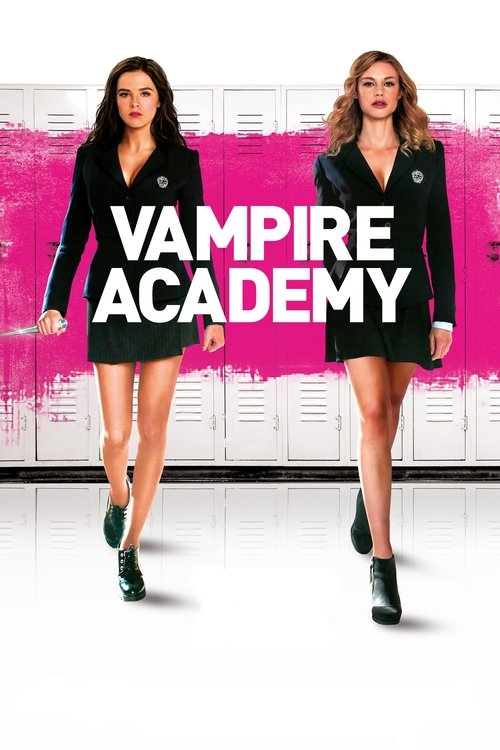
Vampire Academy (2014)
Directed by Mark Waters
No — Vampire Academy is not woke, scoring 13 out of 100 on our wokeness meter.
Vampire Academy arrives in 2014 as a young adult fantasy with a curious allergy to its own genre.
Consciousness Markers
Rose is a physically capable, rebellious female guardian and the central bond is a female friendship, but this is standard YA heroine material rather than a feminist thesis.
The ensemble is led by two white actresses with a supporting cast that includes a few performers of color (Dominique Tipper, Ramon Tikaram) in minor roles, but there is no deliberate diversity-driven casting agenda at work.
There is mild friction between royal and non-royal Moroi (Mia's resentment of the Dragomir line), but it is a plot device rather than an anti-wealth polemic.
Heavy narration and exposition carry the plot, and Lissa delivers a closing speech, but none of it preaches a social message.
No LGBTQ+ characters, relationships, or themes appear anywhere in the film.
The Moroi/Dhampir hierarchy is built on royal bloodlines and class, not race; no racial consciousness or commentary is present.
No environmental or climate themes appear in the film.
No body-positivity themes or messaging are present.
Sonya Karp's instability stems from Spirit magic use, a supernatural plot mechanic, not a depiction of neurodivergence.
The film invents its own vampire mythology rather than revising real historical events.
Why it received this score
Vampire Academy arrives in 2014 as a young adult fantasy with a curious allergy to its own genre. Mark Waters directs from a screenplay by his brother Daniel, adapting the first of Richelle Mead's novels, and the result plays as a boarding-school melodrama with fangs bolted on afterward. The film was not screened for critics, which tells us plenty. It grossed fifteen million dollars against a thirty million dollar budget and was quietly demoted to direct-to-video in the United Kingdom. There is a lesson about confidence buried in there somewhere.
The cast is led by two white actresses, with Dominique Tipper and Ramon Tikaram appearing in small supporting parts. That is the extent of the film's demographic ambition. Rose Hathaway is a physically capable rebel, and the emotional center of the story is her bond with Lissa, which gives the proceedings a faint current of female solidarity. It is standard-issue heroine material, the kind that has powered young adult fiction for decades, and it does not build toward any argument. A non-royal student nurses a grudge against the Dragomir bloodline, gesturing at class resentment without ever committing to the thought.
Most of the modern cultural checklist goes untouched. No same-sex relationships appear. The Moroi and Dhampir hierarchy is organized around royalty and bloodlines, not race, and the film has nothing to say about either. There is no environmental thread, no body-positive messaging, and the instability of one teacher is a side effect of Spirit magic, a supernatural mechanic with no bearing on how we understand the mind. The film invents its vampire cosmology wholesale, leaving no real history to revise. Heavy narration and a closing speech from Lissa carry the plot forward, though neither aims at persuasion. This is a picture that wants to be Twilight with better jokes and lands somewhere nearer a shrug.
Analysis generated by our Consciousness Algorithm


Synopsis
Rose, a rebellious half-vampire/half-human guardian-in-training and her best friend, Lissa -- a mortal, royal vampire Princess - have been on the run when they are captured and returned to St. Vladamirs Academy, the very place where they believe their lives may be in most jeopardy. Rose will sacrifice everything to protect Lissa from those who intend to exploit her from within the Academy walls and the Strigoi (immortal, evil vampires) who hunt her kind from outside its sanctuary.
Questions about Vampire Academy
Is Vampire Academy woke?
No — Vampire Academy is not woke, scoring 13 out of 100 on our wokeness meter. That earns it a verdict of Ultra Based.
Does Vampire Academy have any woke elements?
1 of the 10 markers register at 30 or above, led by Feminist Agenda (30). On Feminist Agenda: Rose is a physically capable, rebellious female guardian and the central bond is a female friendship, but this is standard YA heroine material rather than a feminist thesis.
How does Vampire Academy compare to other 2014 movies?
It ranks #106 of the 303 films from 2014 we've scored; their average is 13. The wokest is Selma (68).
How is the Woke Score calculated?
An AI-assisted process researches the film and its reception, scores it 0–100 on ten markers, then combines those into one 0–100 Woke Score. It measures a specific set of 2020s cultural themes, not film quality.