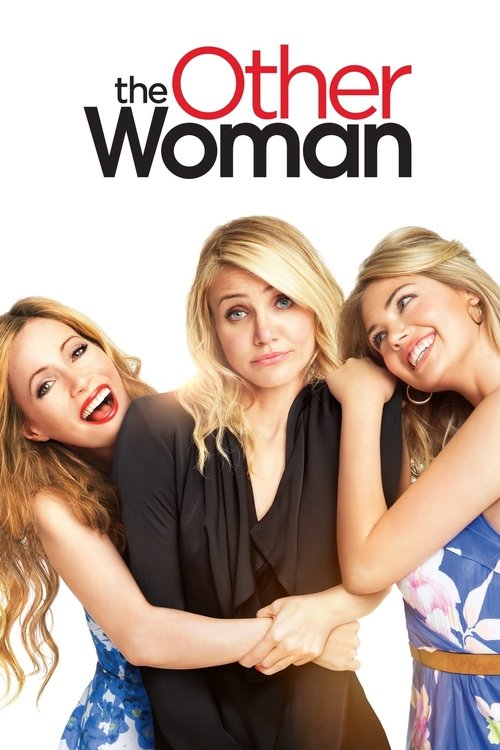
The Other Woman (2014)
Directed by Nick Cassavetes
No — The Other Woman is not especially woke, scoring 20 out of 100 on our wokeness meter.
The Other Woman (2014) is a romantic revenge comedy in which three women discover they share the same cad and decide to ruin his life.
Consciousness Markers
Three wronged women band together in sisterhood to take down a toxic, cheating man, and the film gestures at female empowerment and solidarity, though critics noted it settles for cheap laughs rather than reaching its 'empowering potential.'
The ensemble is overwhelmingly white, with Nicki Minaj as the sassy Black assistant/confidante and Victor Cruz as a limo driver providing incidental diversity without comment.
The villain is a wealthy corporate embezzler who is exposed, bankrupted, and fired, giving the revenge plot a mild 'rich scumbag gets his comeuppance' flavor, but there is no systemic critique of capitalism.
The film is a broad slapstick comedy that only lightly gestures at sisterhood and independence before retreating into gross-out gags, so its preaching is minimal.
No LGBTQ+ characters or themes appear anywhere in the film.
Race is never a subject of the film; the diverse supporting players exist without any racial commentary or thematic weight.
No environmental or climate themes are present.
The film leans on conventional swimsuit-model beauty (Kate Upton) rather than any body-positive messaging.
No neurodivergent characters or themes are depicted.
The film is a contemporary fictional comedy with no historical subject matter to revise.
Why it received this score
The Other Woman (2014) is a romantic revenge comedy in which three women discover they share the same cad and decide to ruin his life. Its social conscience is present but modest, like a guest who arrives late and leaves before the entree. The ensemble is white by default, with Nicki Minaj supplying sassy assistant energy and Victor Cruz appearing as a limo driver. Diversity here is set dressing, not subject matter. Race never becomes an argument, and there is no LGBTQ content at all. The film is content to let its supporting players exist without comment, which is its right, but it offers little else in the way of representation.
The feminist gesture is clearer. Three wronged women band together, compare notes, and plot mutual revenge. Sisterhood is invoked, and female solidarity gets a few solid laughs. Then the movie remembers it is a broad studio comedy and reaches for estrogen pills, hair removal cream, and laxatives. The empowerment is real but thin. The anti-capitalist flavor is similarly mild: the villain is a wealthy embezzler who ends up bankrupt, fired, and punched, yet the film has no systemic critique in mind. It wants a scoundrel punished, not an economic order examined. Body positivity is absent, since the film leans on conventional swimsuit-model beauty. Climate concerns do not appear. Neurodivergence does not appear. Historical revision is not on the menu.
Lecture energy is low. The script only lightly gestures at independence before retreating into slapstick and scatology. It raises questions about identity and sisterhood, then throws them through a window for a laugh. The film's progressive sensibilities are intermittent and mostly decorative. It wants credit for assembling three women in common cause, but it avoids the work of saying anything durable about them. We classify it with the mild fatigue of a critic who has seen this particular vintage before: a comedy with a small measure of cultural awareness and a large measure of noise.
Analysis generated by our Consciousness Algorithm


Synopsis
After discovering her boyfriend is married, Carly soon meets the wife he's been cheating on. And when yet another affair is discovered, all three women team up to plot mutual revenge on the three-timing SOB.
Questions about The Other Woman
Is The Other Woman woke?
No — The Other Woman is not especially woke, scoring 20 out of 100 on our wokeness meter. That earns it a verdict of Based.
Does The Other Woman have any woke elements?
1 of the 10 markers register at 30 or above, led by Feminist Agenda (45). On Feminist Agenda: Three wronged women band together in sisterhood to take down a toxic, cheating man, and the film gestures at female empowerment and solidarity, though critics noted it settles for cheap laughs rather than reaching its 'empowering potential.'
How does The Other Woman compare to other 2014 movies?
It ranks #54 of the 303 films from 2014 we've scored; their average is 13. The wokest is Selma (68).
How is the Woke Score calculated?
An AI-assisted process researches the film and its reception, scores it 0–100 on ten markers, then combines those into one 0–100 Woke Score. It measures a specific set of 2020s cultural themes, not film quality.