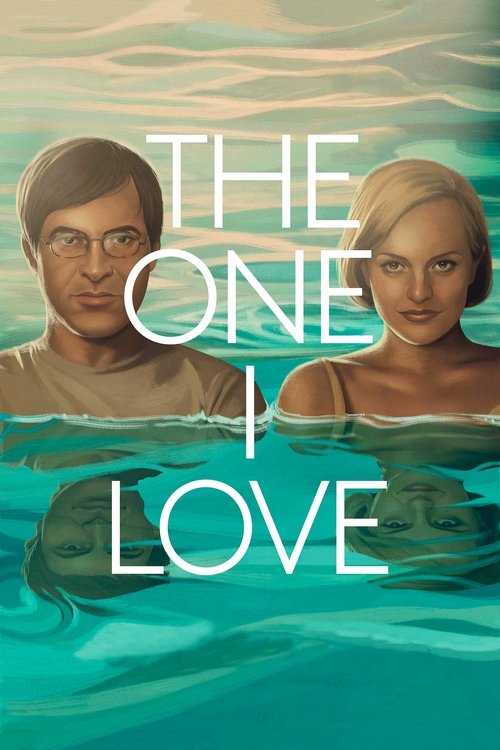
The One I Love (2014)
Directed by Charlie McDowell
No — The One I Love is not woke, scoring 4 out of 100 on our wokeness meter.
We approach this surrealist examination of marital decay with a certain resigned intellectual curiosity.
Consciousness Markers
Elisabeth Moss's Sophie is a well-drawn, complicated woman, but the film is a relationship study, not a feminist statement; no structural critique of patriarchy is present.
Two white leads in a two-hander with a virtually all-white supporting voice cast; no meaningful diversity casting to speak of.
The film is a wry, ambiguous puzzle-box about marriage rather than a sermon; it offers no explicit moral instruction to the audience.
No LGBTQ+ characters or themes whatsoever; the entire premise is a heterosexual marriage in crisis.
Race is entirely absent from the film's concerns; no racial themes, commentary, or non-white characters of note.
No environmental or climate content of any kind.
No economic critique; the characters are comfortably affluent and the film has no interest in class or capital.
No body-positivity themes; bodies are not a subject of the film.
No neurodivergent characters or themes; the therapist is a plot device, not a depiction of mental health.
No historical subject matter to revise; the film is a contemporary surrealist relationship drama.
Why it received this score
We approach this surrealist examination of marital decay with a certain resigned intellectual curiosity. Charlie McDowell presents us with a meticulously designed puzzle, a chamber of glass where the fragile architecture of a long-term relationship is placed under intense, highly stylized pressure. The film functions primarily as an intricate study of a modern marriage in crisis, occupying a space of affluent, contemporary domesticity that is entirely untouched by external social concerns. We observe no structural critiques of capital, nor does the narrative afford us a singular glance at the realities of racial disparity or environmental collapse. The cultural scope of this work is decidedly contained, rooted firmly within the well-managed anxieties of its two central, pale protagonists.
The screenplay is a clever mechanism for exploring personal failure, though it rarely expands beyond the intimate confines of the estate. Elisabeth Moss delivers a performance that is complex, portraying a woman wrestling with a profound sense of disillusionment and self-discovery. Her character possesses a significant degree of internal gravity, providing the film with its strongest progressive sensibilities. However, this sophisticated portrait of a woman navigating a difficult personal landscape is not a systemic statement. It remains a relationship study, not a manifesto. The inherent ambiguity of the narrative means the film avoids the traps of becoming overly prescriptive, offering a wry, ambiguous experience rather than a clear, didactic moral lesson.
Ultimately, this is a highly polished exercise in domestic paranoia. The production relies on the psychological friction generated by idealized doppelgängers and a pervasive sense of uncanny repetition. While the central characters are presented without any meaningful challenge regarding diversity, they are at least given room to breathe as fully realized individuals, which is a modest achievement in this particular genre. The film is not about the world, it is about the marriage. It is a well-crafted, if ultimately confined, meditation on what happens when the private illusions of a life together begin to fracture.
Analysis generated by our Consciousness Algorithm


Synopsis
Ethan and Sophie are a married couple on the brink of separation when, at the urging of their therapist, they decide to salvage their relationship by escaping to a beautiful vacation house for the weekend.
Questions about The One I Love
Is The One I Love woke?
No — The One I Love is not woke, scoring 4 out of 100 on our wokeness meter. That earns it a verdict of Ultra Based.
Does The One I Love have any woke elements?
Very few. None of the 10 markers reaches 30, the level where a marker counts as present; the highest is Feminist Agenda at 8.
How does The One I Love compare to other 2014 movies?
It ranks #224 of the 303 films from 2014 we've scored; their average is 13. The wokest is Selma (68).
How is the Woke Score calculated?
An AI-assisted process researches the film and its reception, scores it 0–100 on ten markers, then combines those into one 0–100 Woke Score. It measures a specific set of 2020s cultural themes, not film quality.