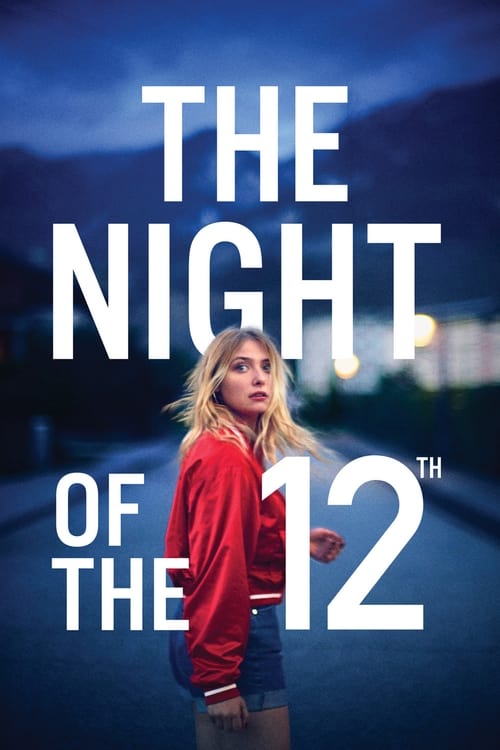
The Night of the 12th (2022)
Directed by Dominik Moll
No — The Night of the 12th is not especially woke, scoring 20 out of 100 on our wokeness meter.
Dominik Moll's The Night of the 12th is a procedural carved from cold Alpine air and bureaucratic fatigue.
Consciousness Markers
The film's spine is the femicide of Clara and the parade of men who used, abused, or fantasized about her, culminating in Nanie's tearful declaration that she was killed because she was a girl. It is a somber thematic undercurrent rather than a preached agenda.
The cast is a naturalistic French ensemble with a few actors of North African descent (Mouna Soualem as the recruit Nadia), but their presence is unremarked and carries no representational thesis.
The film is a restrained, observational procedural that mostly withholds editorializing; the occasional thematic statement (Nanie's line, Yohan's closing reflection) is delivered quietly rather than as a sermon.
No LGBTQ+ characters, relationships, or themes appear anywhere in the investigation or the victim's circle.
The film engages no racial themes; the crime, suspects, and investigators are framed entirely through gender and class dynamics.
No environmental or climate content whatsoever.
No critique of capitalism, wealth, or class economics; the procedural is indifferent to such framing.
No body-positivity themes or commentary on appearance and self-image.
A psychiatric patient (Mats) appears as a red-herring suspect, but his illness is a plot device rather than a sympathetic or advocacy-oriented depiction of neurodivergence.
The film is adapted from a contemporary non-fiction account and makes no revisionist claims about historical events.
Why it received this score
Dominik Moll's The Night of the 12th is a procedural carved from cold Alpine air and bureaucratic fatigue. It follows Captain Yohan Vivès and his squad as they investigate the immolation of Clara Royer, a young woman whose afterlife consists of men explaining, with varying degrees of smirk, how they knew her. The cast is a naturalistic French ensemble, including a few actors of North African descent, notably Mouna Soualem as the recruit Nadia. Their presence is unremarked. No representational thesis is offered, no lesson is extracted. The film lets them exist inside the institution, which is either admirable restraint or a missed opportunity for a panel discussion. The film takes no interest in that panel.
The engine here is gender, though it never revs into a sermon. Clara's murder is a femicide, and the investigation becomes a parade of men who used her, abused her, or wrote rap songs about setting her on fire. Nanie, her best friend, eventually tearfully says Clara was killed because she was a girl. It lands as a somber undercurrent, not a preached agenda. The film has no LGBTQ characters, no racial consciousness, no climate crusade, no anti-capitalist detour, no body positivity, no neurodivergence advocacy. A psychiatric patient appears as a red herring, and his illness is a plot device. The film is adapted from a contemporary non-fiction account and makes no revisionist claims about history. It is a French crime drama, not a TED talk with subtitles.
What keeps the film from becoming a lecture is its restraint. Moll withholds editorializing. The occasional thematic statement is delivered quietly, almost apologetically. Yohan's closing reflection and Nadia's line about the dead staying with us arrive as exhausted wisdom, not a call to action. The result is a haunting, unresolved procedural that treats social consciousness as ambient pressure. It is there in the femicide, in the misogyny, in the way men confess without shame. But the film refuses to organize these into a checklist. It is too busy being sad, precise, and French. The killer remains unknown. The point, if there is one, is that the point is not the point.
Analysis generated by our Consciousness Algorithm


Synopsis
Young and ambitious Captain Vivés has just been appointed group leader at the Grenoble Criminal Squad when Clara's murder case lands on his desk. Vivés and his team investigate Clara's complex life and relations, but what starts as a professional and methodical immersion into the victim's life soon turns into a haunting obsession.
Questions about The Night of the 12th
Is The Night of the 12th woke?
No — The Night of the 12th is not especially woke, scoring 20 out of 100 on our wokeness meter. That earns it a verdict of Based.
Does The Night of the 12th have any woke elements?
1 of the 10 markers register at 30 or above, led by Feminist Agenda (42). On Feminist Agenda: The film's spine is the femicide of Clara and the parade of men who used, abused, or fantasized about her, culminating in Nanie's tearful declaration that she was killed because she was a girl.
How does The Night of the 12th compare to other 2022 movies?
It ranks #86 of the 223 films from 2022 we've scored; their average is 22. The wokest is Bros (92).
How is the Woke Score calculated?
An AI-assisted process researches the film and its reception, scores it 0–100 on ten markers, then combines those into one 0–100 Woke Score. It measures a specific set of 2020s cultural themes, not film quality.