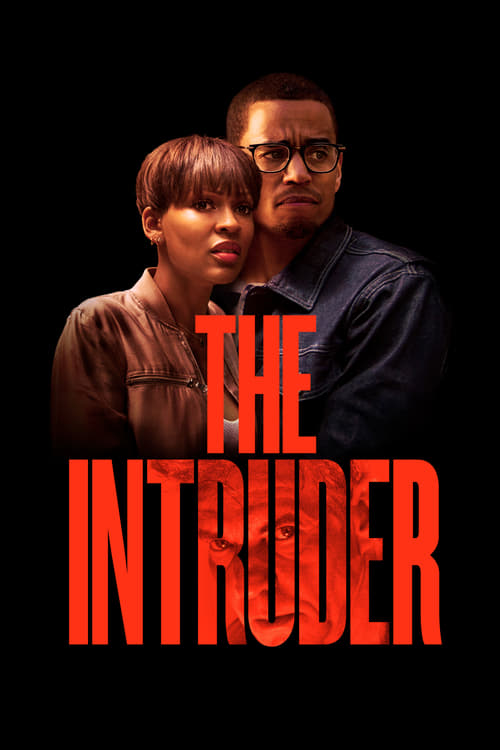
The Intruder (2019)
Directed by Deon Taylor
No — The Intruder is not especially woke, scoring 20 out of 100 on our wokeness meter.
The Intruder arrives in 2019 with a premise older than the hills: a handsome couple buys a Napa Valley estate from a widower who cannot release his grip on the deed.
Consciousness Markers
The film features Black leads (Michael Ealy and Meagan Good) as a prosperous married couple in a mainstream studio thriller, a notable but unremarked-upon casting choice. The diverse ensemble is presented naturally without any narrative commentary on representation.
A white former owner menacing a Black couple in their new home carries latent racial undertones, but the film never engages with race explicitly or thematically.
Annie is largely a conventional damsel-in-distress figure, though she does ultimately stab the antagonist and call 911. The film makes no feminist argument and centers the male hero's confrontation.
Charlie's resentment stems from debt and the forced sale of his property, gesturing at class and economic decline, but the film treats this as personal pathology rather than systemic critique.
The film is a straightforward genre thriller with no preachy messaging or moralizing monologues.
There are no LGBTQ+ characters, themes, or subtext anywhere in the film.
No environmental or climate themes are present.
No body positivity themes or messaging appear in the film.
Charlie is labeled a psychopath, but this is villainous characterization rather than any neurodivergence-affirming representation.
The film is a contemporary fictional thriller with no historical revisionism.
Why it received this score
The Intruder arrives in 2019 with a premise older than the hills: a handsome couple buys a Napa Valley estate from a widower who cannot release his grip on the deed. Dennis Quaid, working at a pitch usually reserved for community theater villains, mows the lawn uninvited and hides in a cellar. Michael Ealy and Meagan Good play the prosperous buyers, and the studio thriller machinery hums along without a single line of dialogue remarking on the fact that its leads are Black. That silence is its own kind of statement, or its own kind of evasion, depending on the hour of the day. The film does not care to decide, and neither, ultimately, do we.
What social consciousness exists here sits in the basement with Charlie. His resentment grows from debt, a forced sale, a life liquidated by circumstance, and for a moment the screenplay brushes against something sharp about who gets to keep the house and who gets pushed out. Then it retreats, treating his fury as a personal defect instead of a systemic one. Annie spends most of the runtime as a woman waiting to be rescued, though she does manage a knife to the back and a calm call to 911. The film proposes no argument about gender and would be baffled by the suggestion that it should.
There is no queer subtext, no climate anxiety, no body politics, no neurodivergent affirmation. Charlie is called a psychopath, which the film intends as a diagnosis, not a plea for understanding. This is a genre exercise, lean and unbothered, its cultural awareness dormant to the point of hibernation. It wants only to make you yell at the screen. It succeeds, modestly.
Analysis generated by our Consciousness Algorithm


Synopsis
A psychological thriller about a young married couple who buys a beautiful Napa Valley house on several acres of land only to find that the man they bought it from refuses to let go of the property.
Questions about The Intruder
Is The Intruder woke?
No — The Intruder is not especially woke, scoring 20 out of 100 on our wokeness meter. That earns it a verdict of Based.
Does The Intruder have any woke elements?
1 of the 10 markers register at 30 or above, led by Representation Casting (45). On Representation Casting: The film features Black leads (Michael Ealy and Meagan Good) as a prosperous married couple in a mainstream studio thriller, a notable but unremarked-upon casting choice.
How does The Intruder compare to other 2019 movies?
It ranks #113 of the 284 films from 2019 we've scored; their average is 22. The wokest is Black Christmas (79).
How is the Woke Score calculated?
An AI-assisted process researches the film and its reception, scores it 0–100 on ten markers, then combines those into one 0–100 Woke Score. It measures a specific set of 2020s cultural themes, not film quality.