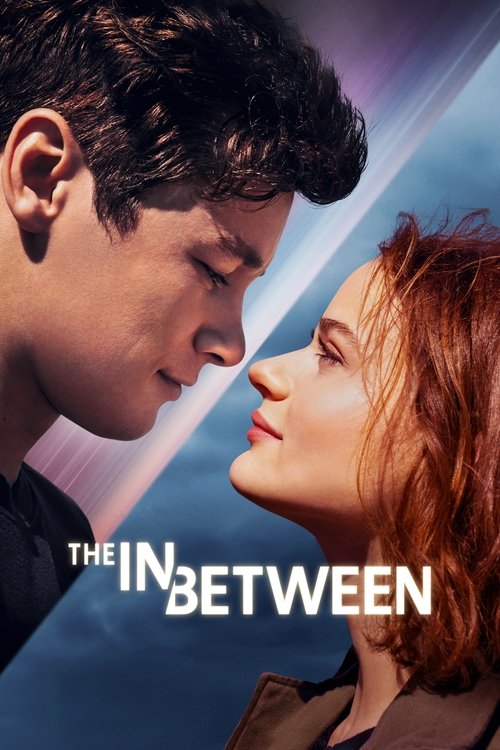
The In Between (2022)
Directed by Arie Posin
No — The In Between is not especially woke, scoring 24 out of 100 on our wokeness meter.
The In Between arrives as a paranormal romance about a teenage photographer named Tessa who loses her boyfriend Skylar to a car accident and then spends the rest of the runtime negotiating with his ghost.
Consciousness Markers
The film features a notably diverse supporting cast, including Black adoptive parents (April Parker Jones, Donna Biscoe) and a Latino father figure (John Ortiz), though these roles exist naturally within the story rather than as commentary.
Tessa is an ambitious young female photographer pursuing her artistic identity and asserting independence, but the film frames this as a personal coming-of-age arc rather than a feminist statement.
The white protagonist is adopted into a Black family, an interracial dynamic present in the narrative, but the film never interrogates race or makes it a thematic concern.
The film gestures at themes of love, grief, and the afterlife, but delivers them through melodrama rather than preachy moralizing.
No LGBTQ+ characters, relationships, or themes appear anywhere in the film.
No environmental or climate-related themes are present.
No critique of wealth, capitalism, or class structures appears in the film.
No body positivity themes or messaging are present.
No neurodivergent characters or themes are depicted.
The film is a contemporary fictional romance with no historical subject matter to revise.
Why it received this score
The In Between arrives as a paranormal romance about a teenage photographer named Tessa who loses her boyfriend Skylar to a car accident and then spends the rest of the runtime negotiating with his ghost. It is a film about grief, the afterlife, and the reliable commercial appeal of a tearful soundtrack cue. The mechanics are familiar. A flashback structure shuffles between the hospital and the summer that built the romance, and the paranormal elements are handled with the seriousness of a household appliance manual. Joey King carries it with a furrowed sincerity that the screenplay never quite earns.
On the matter of social consciousness, the film is mostly content to be a love story. Tessa is adopted into a Black family, a detail the screenplay treats as furniture, not subject matter. The casting is pleasantly varied, with John Ortiz, April Parker Jones, and Donna Biscoe filling parental roles that exist to offer advice and worry in doorways. Nobody interrogates the racial dynamics of the adoption, and the film seems to consider this restraint a virtue. Tessa's ambitions as a photographer give her a modest independent streak, though the arc resolves in service of romance, not selfhood.
What remains is a film with no interest in climate, class, bodies, or neurotype, and no historical record to revise. Its themes of love and loss arrive through melodrama, not sermon. The result is a romance that wants to make you cry and largely settles for making you check the time. It is earnest, harmless, and almost entirely free of messaging. In a landscape of films that lecture, this one merely sighs.
Analysis generated by our Consciousness Algorithm


Synopsis
After surviving a car accident that took the life of her boyfriend, a teenage girl believes he's attempting to reconnect with her from the after world.
Questions about The In Between
Is The In Between woke?
No — The In Between is not especially woke, scoring 24 out of 100 on our wokeness meter. That earns it a verdict of Based.
Does The In Between have any woke elements?
1 of the 10 markers register at 30 or above, led by Representation Casting (40). On Representation Casting: The film features a notably diverse supporting cast, including Black adoptive parents (April Parker Jones, Donna Biscoe) and a Latino father figure (John Ortiz), though these roles exist naturally within the story rather than as commentary.
How does The In Between compare to other 2022 movies?
It ranks #72 of the 223 films from 2022 we've scored; their average is 22. The wokest is Bros (92).
How is the Woke Score calculated?
An AI-assisted process researches the film and its reception, scores it 0–100 on ten markers, then combines those into one 0–100 Woke Score. It measures a specific set of 2020s cultural themes, not film quality.