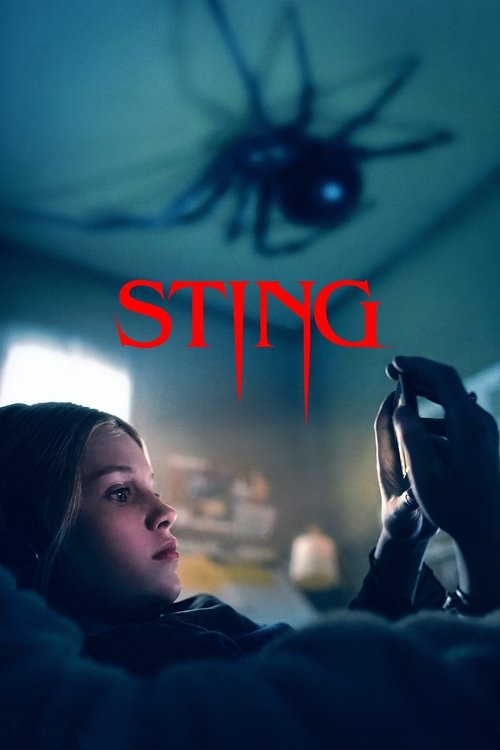
Sting (2024)
Directed by Kiah Roache-Turner
No — Sting is not woke, scoring 8 out of 100 on our wokeness meter.
Sting arrives with the modesty of a creature feature that knows precisely what it is and has no intention of pretending otherwise.
Consciousness Markers
The cast includes performers of Asian and Black descent (Danny Kim, Jermaine Fowler) in supporting roles, but they exist naturally within the ensemble with no commentary or thematic weight attached.
The protagonist is a resourceful 12-year-old girl who ultimately defeats the creature, but this is standard creature-feature heroism rather than any articulated feminist statement.
No LGBTQ+ characters, relationships, or themes appear anywhere in the film.
The film engages with no racial themes, commentary, or social dynamics whatsoever.
The alien spider arrives via a meteor, but no environmental or climate messaging is present.
The dilapidated apartment building provides atmosphere but carries no critique of wealth, class, or capitalism.
No body-image or body-acceptance themes are present in this monster movie.
No neurodivergent characters or themes are depicted or implied.
The film is a contemporary fictional creature feature with no historical subject matter to revise.
The film is a lean, self-aware B-movie thrill ride that makes no attempt to preach or deliver moral instruction.
Why it received this score
Sting arrives with the modesty of a creature feature that knows precisely what it is and has no intention of pretending otherwise. A meteor deposits something glowing in a Sydney apartment building dressed as New York, a twelve-year-old named Charlotte adopts the hatchling, and the spider grows from a curiosity into a problem of municipal scale. Kiah Roache-Turner directs with the economy of a man who has watched a great many genre pictures and absorbed their lessons. The result is brisk, gooey, and entirely uninterested in addressing the viewer's conscience.
The cast includes performers of Asian and Black descent in supporting roles, and they move through the building as neighbors and exterminators with no authorial finger wagging attached. Charlotte herself is a resourceful girl who outthinks the creature and helps destroy it, which is ordinary monster-movie competence, not a thesis. The film offers her ingenuity without commentary, and the audience is left to notice or not. This is representation as furniture: present, unremarked, functioning as casting rather than argument.
What the film declines to do is more instructive than what it attempts. There is no racial reckoning, no environmental parable despite the extraterrestrial origin, no critique of landlords despite the crumbling building, no sermonizing of any kind. The spider eats people because it is hungry and growing, not because it symbolizes anything. Even the strained step-father drama stays domestic and unresolved, wedged between the kills. The whole enterprise runs on practical effects and decent pacing. It preaches nothing, means nothing, and satisfies the appetite it was built to satisfy. For a certain kind of viewer, that restraint is its own small virtue.
Analysis generated by our Consciousness Algorithm


Synopsis
After raising an unnervingly talented spider in secret, 12-year-old Charlotte must face the truth about her pet and fight for her family's survival.
Questions about Sting
Is Sting woke?
No — Sting is not woke, scoring 8 out of 100 on our wokeness meter. That earns it a verdict of Ultra Based.
Does Sting have any woke elements?
Very few. None of the 10 markers reaches 30, the level where a marker counts as present; the highest is Representation Casting at 15.
How does Sting compare to other 2024 movies?
It ranks #153 of the 189 films from 2024 we've scored; their average is 22. The wokest is The Six Triple Eight (92).
How is the Woke Score calculated?
An AI-assisted process researches the film and its reception, scores it 0–100 on ten markers, then combines those into one 0–100 Woke Score. It measures a specific set of 2020s cultural themes, not film quality.