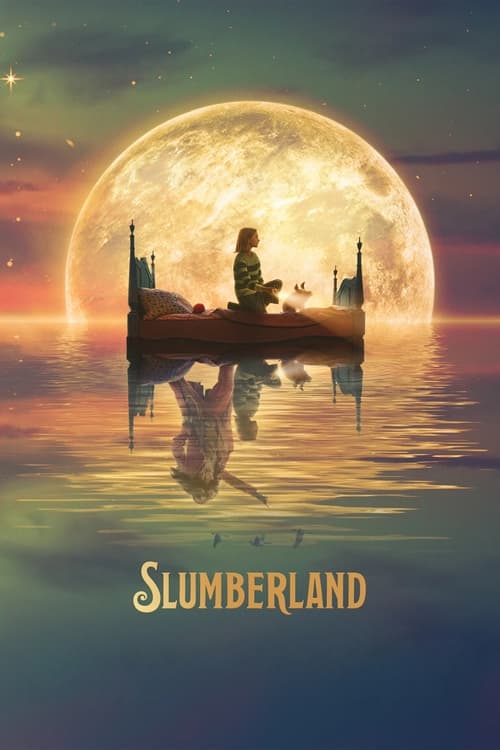
Slumberland (2022)
Directed by Francis Lawrence
No — Slumberland is not woke, scoring 19 out of 100 on our wokeness meter.
Slumberland takes a comic strip from 1905 and hands the lead to a girl, a swap executed with no fanfare whatsoever.
Consciousness Markers
The film features a diverse supporting cast, including characters like Jamal and Ho-Sook, which provides a baseline level of representation.
Nemo is the central protagonist who drives the plot and achieves personal growth, suggesting a focus on female agency.
The film explores the psychological state of Flip/Philip, dealing with repression and mental blocks, which touches upon mental health themes.
While the cast is diverse, the narrative does not engage with specific racial issues or systemic commentary.
The film resolves its conflicts through emotional stakes and personal growth rather than through didactic social commentary.
The conflict involves a government-like agency (BoSA), but this is framed as a psychological intrusion rather than a critique of capitalism.
No evidence of LGBTQ+ themes or representation in the provided synopsis or cast list.
The film's setting and plot do not involve any environmental themes or climate activism.
There is no discernible focus on body positivity or challenging conventional beauty standards within the film's summary.
The film is a fantasy adventure and does not engage with or challenge any established historical narratives.
Why it received this score
Slumberland takes a comic strip from 1905 and hands the lead to a girl, a swap executed with no fanfare whatsoever. Nemo mourns her father, finds a map, and drives every decision in the film, a quiet sort of agency that the production treats as sufficient. Around her, the supporting cast is diverse in the unremarked way of a Toronto shoot: Jamal at school, Ho-Sook, Agent Green of the Bureau of Subconscious Activities. Nobody delivers a speech about it. The film casts people and moves on, which is the most dignified approach available.
The emotional machinery here is grief and repression. Flip turns out to be the discarded half of Uncle Philip, a doorknob salesman who stopped dreaming somewhere along the way, and the film treats that split as a knot to untie instead of a diagnosis to announce. Mental health handled with a light hand, and it earns its modest credit. The Bureau functions as a bureaucratic antagonist, agents in colored suits guarding the subconscious, but the film never suggests that markets, landlords, or shareholders are the problem. The villain is paperwork. That is as close as this movie comes to a political thought, and it is a short walk.
This is, at bottom, a family adventure with a sentimental streak and no interest in sermonizing. It resolves with a hug, a rescue boat, and a repaired uncle, and it declines to lecture us about anything on the way there. The dreams are loud, the metaphors are gentle, and the cultural ambitions are approximately those of a well-funded bedtime story. As vintages go, this is a mild one: pleasant, forgettable, and unlikely to unsettle anyone at a dinner party.
Analysis generated by our Consciousness Algorithm


Synopsis
A young girl discovers a secret map to the dreamworld of Slumberland, and with the help of an eccentric outlaw, she traverses dreams and flees nightmares, with the hope that she will be able to see her late father again.
Questions about Slumberland
Is Slumberland woke?
No — Slumberland is not woke, scoring 19 out of 100 on our wokeness meter. That earns it a verdict of Ultra Based.
Does Slumberland have any woke elements?
2 of the 10 markers register at 30 or above, led by Representation Casting (40) and Feminist Agenda (30). On Representation Casting: The film features a diverse supporting cast, including characters like Jamal and Ho-Sook, which provides a baseline level of representation.
How does Slumberland compare to other 2022 movies?
It ranks #89 of the 223 films from 2022 we've scored; their average is 22. The wokest is Bros (92).
How is the Woke Score calculated?
An AI-assisted process researches the film and its reception, scores it 0–100 on ten markers, then combines those into one 0–100 Woke Score. It measures a specific set of 2020s cultural themes, not film quality.