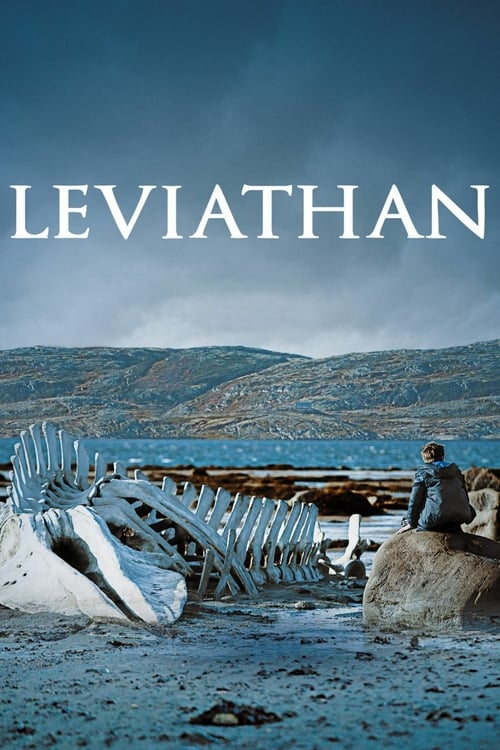
Leviathan (2014)
Directed by Andrey Zvyagintsev
No — Leviathan is not woke, scoring 18 out of 100 on our wokeness meter.
Leviathan opens on a northern Russian coastal town, a heap of whale bones on the shore, and a car mechanic named Kolya who is about to lose his house to a mayor who covets the land beneath it.
Consciousness Markers
The film critiques corrupt state power, church-state collusion, and the elite seizing an ordinary man's property, with luxury cars closing the film, but this is anti-authoritarian rather than a modern anti-capitalist 'eat the rich' thesis.
The film carries a bleak social critique of Russian corruption, but the producer explicitly noted it never becomes a sermon or public statement, and the critique is embedded in tragedy rather than delivered as a lecture.
The cast is entirely Russian and ethnically homogeneous, with no deliberate diversity casting or comment on representation.
There are no LGBTQ+ characters or themes anywhere in the film.
Lilya is a tragic figure whose fate serves the male protagonist's downfall; the film offers no feminist critique or gendered power analysis.
The film is set in an all-white Russian town and engages no racial themes whatsoever.
The contested seaside land is a plot device for corruption, not an environmental or climate message.
No body-positivity themes are present.
No neurodivergent characters or themes appear.
The film is a contemporary story with no historical revisionism.
Why it received this score
Leviathan opens on a northern Russian coastal town, a heap of whale bones on the shore, and a car mechanic named Kolya who is about to lose his house to a mayor who covets the land beneath it. Andrey Zvyagintsev builds this ruin with the patience of a man laying bricks in cold weather. The cast is entirely Russian, drawn from a homogeneous ethnic pool, and at no point does the film pause to consider who is or is not on screen. It is a story about power and property, told straight, with no casting agenda and no commentary on representation.
The women in this film fare poorly, and the film does not pretend otherwise. Lilya is a tragic figure, passed between men, and her death exists to complete Kolya's destruction. No gendered analysis is offered. No feminist framework is applied. The same restraint holds everywhere else. There are no LGBTQ characters. The town is white and the film never notices. The contested seaside land is a lever of corruption, not a climate parable. Nobody wrestles with body image or neurodivergence. The film has other concerns, and it pursues them without apology.
What the film does offer is a sour accounting of corrupt state power, a bishop who blesses the strong, and a mayor who drives off at the end in a luxury car that used to be somebody's home. This is anti-authoritarian anger, aimed at the machinery of a specific country, and it stops short of any modern thesis about wealth itself. The producer insisted the film never becomes a sermon or a public statement, and he was right. The critique arrives through tragedy, through vodka and grief, and it lands harder for never raising its voice.
Analysis generated by our Consciousness Algorithm


Synopsis
In a Russian coastal town, Kolya is forced to fight the corrupt mayor when he is told that his house will be demolished. He recruits a lawyer friend to help, but the man's arrival brings further misfortune for Kolya and his family.
Questions about Leviathan
Is Leviathan woke?
No — Leviathan is not woke, scoring 18 out of 100 on our wokeness meter. That earns it a verdict of Ultra Based.
Does Leviathan have any woke elements?
Very few. None of the 10 markers reaches 30, the level where a marker counts as present; the highest is Eat the Rich at 25.
How does Leviathan compare to other 2014 movies?
It ranks #60 of the 303 films from 2014 we've scored; their average is 13. The wokest is Selma (68).
How is the Woke Score calculated?
An AI-assisted process researches the film and its reception, scores it 0–100 on ten markers, then combines those into one 0–100 Woke Score. It measures a specific set of 2020s cultural themes, not film quality.