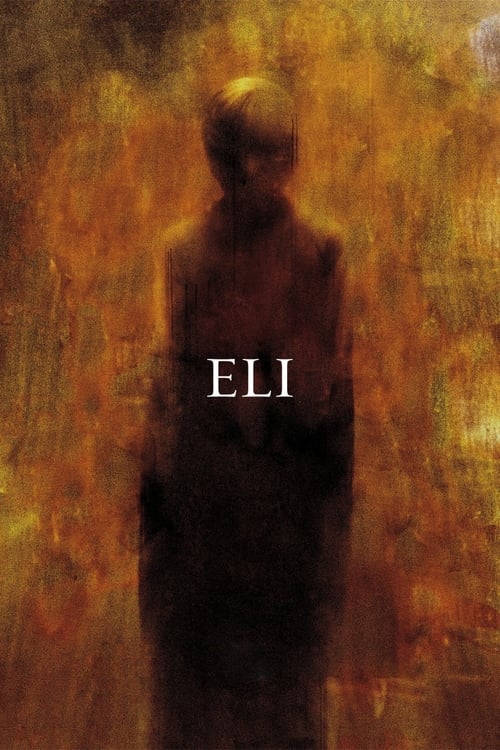
Eli (2019)
Directed by Ciarán Foy
No — Eli is not woke, scoring 6 out of 100 on our wokeness meter.
Eli is a 2019 supernatural horror film about a boy with an autoimmune disorder who is taken to a secluded clinic.
Consciousness Markers
The cast includes a handful of minority actors in supporting roles (nurses, orderlies), but they exist naturally in the story with no commentary or emphasis on their identity.
A female doctor serves as the antagonist and a mother drives the emotional subplot, but neither is framed through any feminist critique or agenda.
No LGBTQ+ characters, themes, or subtext appear anywhere in the film.
The film engages no racial themes or commentary whatsoever; it is a supernatural horror story about demonic lineage.
No environmental or climate themes are present.
No economic critique or anti-capitalist messaging appears; the private clinic is a horror setting, not a class allegory.
The protagonist's autoimmune condition is a plot device for the demonic reveal, not a vehicle for body-positivity messaging.
No neurodivergent characters or themes are depicted.
The film invents a fictional demonic mythology and does not revise or reinterpret any historical record.
The film is a straightforward jump-scare horror with no moralizing, preaching, or social messaging directed at the audience.
Why it received this score
Eli is a 2019 supernatural horror film about a boy with an autoimmune disorder who is taken to a secluded clinic. It is a demonic lineage thriller. Its cultural ledger is nearly blank. A few minority actors appear as nurses and orderlies. They are present, competent, and entirely unremarked upon. That is not a failure of the film. It is simply the extent of its representational gesture. No commentary, no emphasis. The film has no interest in making their identities part of the story. A modest quotient at best.
The film offers a female doctor as antagonist and a mother whose desperate bargain drives the finale. Neither element is shaped by feminist critique. Dr. Horn is a villain with a needle, not a symbol. Rose is a grieving parent with a satanic prayer, not a statement. There is no LGBTQ content, no racial thesis, no climate anxiety, no economic allegory about the private clinic. The clinic is a haunted house with better lighting. Eli's illness functions as a plot mechanism for the demonic reveal. It is not a platform for body positivity or disability advocacy. No neurodivergent character or theme appears either. The film does not care about the politics of the body. It cares about the twist.
The film invents its demonology from scratch. It does not revise history, and it does not lecture. No sermonizing about tolerance, no moral instruction, no social messaging. It is a jump-scare machine with a mean streak and a decent final act. The absence of preachy energy is almost refreshing. Almost. We are left with a horror film that wants to scare us and little else. In the taxonomy of social consciousness, Eli is a dry vintage. A few supporting players of color, a female antagonist, and a mother with regrets. That is the whole cellar. The rest is sulfur and telekinesis. Score accordingly.
Analysis generated by our Consciousness Algorithm
Part of


Synopsis
A boy named Eli with a rare autoimmune disorder is confined to a special experimental clinic for his treatment. He soon begins experiencing supernatural forces, turning the supposedly safe facility into a haunted prison for him and his fellow patients.
Questions about Eli
Is Eli woke?
No — Eli is not woke, scoring 6 out of 100 on our wokeness meter. That earns it a verdict of Ultra Based.
Does Eli have any woke elements?
Very few. None of the 10 markers reaches 30, the level where a marker counts as present; the highest is Representation Casting at 15.
How does Eli compare to other 2019 movies?
It ranks #222 of the 284 films from 2019 we've scored; their average is 22. The wokest is Black Christmas (79).
How is the Woke Score calculated?
An AI-assisted process researches the film and its reception, scores it 0–100 on ten markers, then combines those into one 0–100 Woke Score. It measures a specific set of 2020s cultural themes, not film quality.