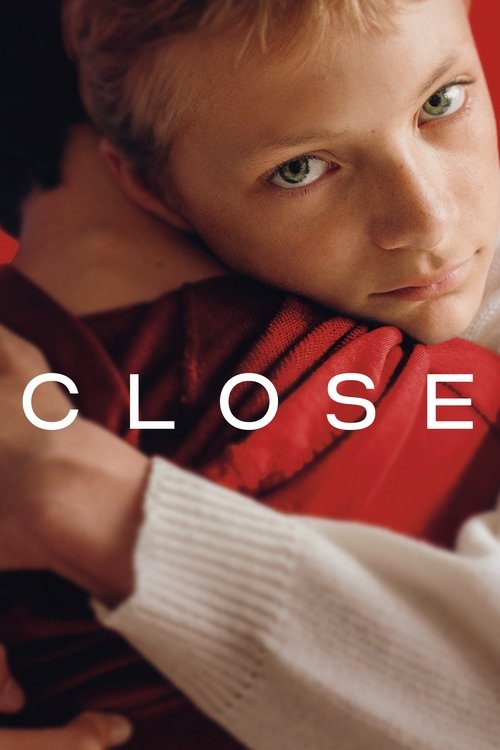
Close (2022)
Directed by Lukas Dhont
Yes — Close is woke, scoring 60 out of 100 on our wokeness meter.
The Belgian countryside, a flower farm, two thirteen-year-old boys who sleep in the same bed without a flicker of self-consciousness.
Consciousness Markers
The film centers on an intimate friendship between two 13-year-old boys, the homophobic speculation and slurs they face, and the pressure to conform to heterosexual norms. The director has described the story as having a queer character at its center.
The narrative critiques toxic masculinity and the societal forces that discourage male intimacy, which aligns with feminist themes, but it does not explicitly advance a feminist agenda.
The film conveys its themes of grief, homophobia, and masculinity through subtle emotional storytelling rather than direct lecturing or didacticism.
The cast is predominantly white and drawn from amateur actors in Belgium; no deliberate diverse or inclusive casting markers are present.
There are no racial themes, characters, or commentary in the film.
No environmental or climate-related content appears in the film.
The film contains no critique of capitalism or economic inequality.
There is no engagement with body positivity or body image issues.
No neurodivergent characters or themes are present.
The film is a fictional contemporary story and does not revise or reinterpret historical events.
Why it received this score
The Belgian countryside, a flower farm, two thirteen-year-old boys who sleep in the same bed without a flicker of self-consciousness. Lukas Dhont's Close opens in something near paradise, then lets the schoolyard do what schoolyards do. A trio of girls asks the obvious question. Léo denies it with a force that surprises even him. From there the film tracks a slow, agonizing retreat: the separate mattress, the ice hockey, the bicycle rides with other boys, the silence that grows teeth. It is a study of how quickly a child learns to be ashamed of tenderness.
The film's central preoccupation is unmistakably queer. The homophobic slurs arrive early, the speculation arrives earlier, and Rémi's suicide lands like a verdict on a boy who refused to perform the correct version of himself. Dhont has said the story has a queer character at its center, and the intimacy on screen is not ambiguous. The film also has something to say about the narrow corridor boys are permitted to walk, which reads as an observation about masculinity without ever mounting a formal argument about it. The damage is shown, not named, and that restraint keeps the sermonizing to a minimum. No lectures. Just a long look at the wreckage.
What Close declines to do is equally instructive. There is no racial commentary, no economic grievance, no environmental alarm, no meditation on the body, no neurodivergent lens, no revision of the historical record. The cast is white, Belgian, largely non-professional, assembled through an open call. Its ambitions are emotional and specific, and it refuses to serve as a vehicle for anything else. A somber, beautifully acted piece of work, then, and it trusts its audience to draw its own conclusions, which in this climate is almost quaint.
Analysis generated by our Consciousness Algorithm


Synopsis
Two 13-year-old boys spend an idyllic summer together, but their connection is put to the test when they become the subject of speculation at school.
Questions about Close
Is Close woke?
Yes — Close is woke, scoring 60 out of 100 on our wokeness meter. That earns it a verdict of Woke.
What makes Close woke?
2 of the 10 markers register at 30 or above, led by LGBTQ+ Themes (85) and Feminist Agenda (30). On LGBTQ+ Themes: The film centers on an intimate friendship between two 13-year-old boys, the homophobic speculation and slurs they face, and the pressure to conform to heterosexual norms.
How does Close compare to other 2022 movies?
It ranks #12 of the 223 films from 2022 we've scored; their average is 22. The wokest is Bros (92).
How is the Woke Score calculated?
An AI-assisted process researches the film and its reception, scores it 0–100 on ten markers, then combines those into one 0–100 Woke Score. It measures a specific set of 2020s cultural themes, not film quality.