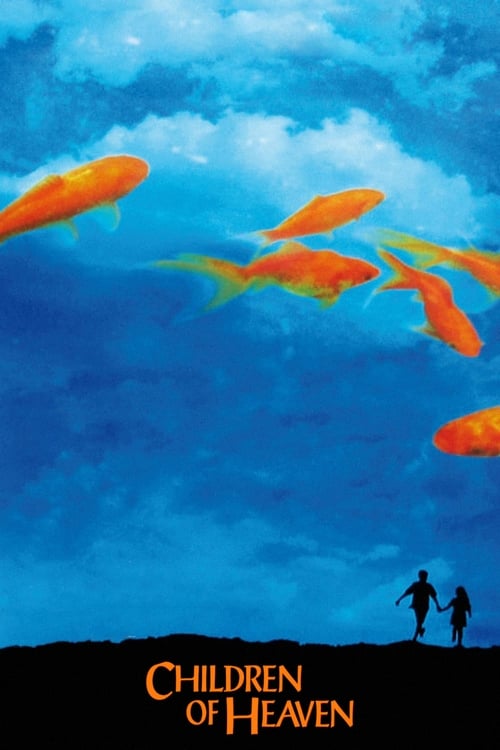
Children of Heaven (1997)
Directed by Majid Majidi
No — Children of Heaven is not woke, scoring 2 out of 100 on our wokeness meter.
Children of Heaven arrives from 1997, a small Iranian production that cost roughly enough to cover a modest catering budget on a Hollywood set, and it concerns itself with a pair of lost shoes.
Consciousness Markers
The cast is entirely Iranian, but this reflects the film's natural setting rather than a modern representational casting agenda. No deliberate diversity or identity-conscious casting markers are present.
No LGBTQ+ characters, relationships, or themes appear in the story.
The film focuses on a brother and sister's shared hardship, but it does not advance a feminist critique or gender-equity agenda.
Class and poverty are central, yet race and racial identity are not addressed as themes.
There is no environmental or climate-related content.
The film depicts poverty and class disparity with sympathy, but it does not mount an anti-capitalist or eat-the-rich argument.
No body-positivity themes or body-image discourse are present.
No neurodivergent characters or themes are present.
The film is a fictional family drama and does not revise or reinterpret historical events.
The film is gentle and humanistic rather than didactic or lecture-driven.
Why it received this score
Children of Heaven arrives from 1997, a small Iranian production that cost roughly enough to cover a modest catering budget on a Hollywood set, and it concerns itself with a pair of lost shoes. A boy loses his sister's footwear, the siblings share a single pair in secret, and a footrace becomes the pivot on which their hopes turn. Majid Majidi directs with a patience that has largely vanished from family cinema. The camera watches children run through Tehran alleys, and the film asks nothing of us beyond attention.
The picture has been praised for decades as a model of humane storytelling, and the praise is earned. Ali and Zahra endure poverty without speeches about it. Their father seeks gardening work in wealthier neighborhoods, and the film observes the transaction without turning it into a parable about economic systems. A blind man appears, and the children choose silence over reclaiming what is theirs. These are moral gestures, not political ones. The movie trusts its audience to feel the weight of small decisions, which places it at odds with the current habit of explaining every theme twice.
On the ledger of contemporary social consciousness, the film registers almost nothing. Its cast is entirely Iranian because the story is Iranian. Class hardship is present as lived experience, not as an argument. No character announces an identity, corrects a prejudice, or delivers a lesson to the viewer. The result is a work of genuine warmth that predates the era in which every family drama was expected to carry a thesis. It is a relic, and a pleasant one, from a time when a lost pair of shoes could sustain ninety minutes without a single platform.
Analysis generated by our Consciousness Algorithm


Synopsis
Zohre's shoes are gone; her older brother Ali lost them. They are poor, there are no shoes for Zohre until they come up with an idea: they will share one pair of shoes. School awaits.
Questions about Children of Heaven
Is Children of Heaven woke?
No — Children of Heaven is not woke, scoring 2 out of 100 on our wokeness meter. That earns it a verdict of Ultra Based.
Does Children of Heaven have any woke elements?
No. All 10 markers score zero.
How does Children of Heaven compare to other 1997 movies?
It ranks #93 of the 109 films from 1997 we've scored; their average is 12. The wokest is Happy Together (65).
How is the Woke Score calculated?
An AI-assisted process researches the film and its reception, scores it 0–100 on ten markers, then combines those into one 0–100 Woke Score. It measures a specific set of 2020s cultural themes, not film quality.