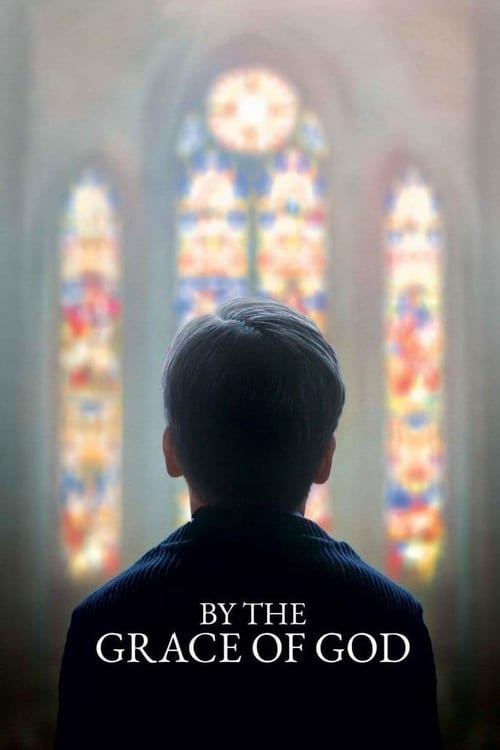
By the Grace of God (2019)
Directed by François Ozon
No — By the Grace of God is not woke, scoring 0 out of 100 on our wokeness meter.
François Ozon's By the Grace of God arrives as a sober specimen from another era of filmmaking, patient and journalistic in a way that contemporary cinema has largely forgotten.
Consciousness Markers
The cast is entirely white French actors, with no deliberate diverse or inclusive casting choices.
The film deals with child sexual abuse by a priest, which is not an LGBTQ+ theme; no LGBTQ+ characters or storylines are present.
Female characters exist in supporting roles, but the film does not advance a feminist agenda or critique patriarchy.
The film features an all-white cast and does not engage with racial issues or consciousness.
There is no environmental or climate-related content in the film.
The film critiques the Catholic Church's institutional cover-up, not capitalism or economic inequality.
There is no focus on body image, size acceptance, or body positivity themes.
One character is psychologically tormented, but the film does not frame this as neurodivergence or neurodiversity.
The film is a factual dramatization of real events, not a revisionist reinterpretation of history through a modern ideological lens.
The film is a sober procedural drama about abuse and cover-up, not a preachy or didactic lecture on modern social justice issues.
Why it received this score
François Ozon's By the Grace of God arrives as a sober specimen from another era of filmmaking, patient and journalistic in a way that contemporary cinema has largely forgotten. Alexandre, a Lyon banking executive with a wife and five children, discovers that the priest who abused him decades ago still works with children, and the film follows him as he gathers other victims and builds a legal case. It is a serious film about a grave subject. We must be clear that gravity is not the same as the cultural sensibilities under examination here. The massacre of the innocents has been filmed many times without registering on this particular scale.
The cast is entirely white and French, assembled for verisimilitude rather than for the optics of inclusion. Women appear as wives, therapists, and church functionaries, but the film makes no argument about patriarchy. Nobody discusses race. No character frets about the climate. The villain is an institution protecting its own reputation, which is not the same as a critique of capital, however satisfying it might be to watch a cardinal squirm. One of the victims, Emmanuel, is a tormented man whose life has collapsed under what was done to him, and the film treats this as damage, not as a neurotype awaiting accommodation. The moral vocabulary is Catholic and French, which is to say old.
The filmmaking is calm to the point of austerity. Ozon stages confrontations, emails, and meetings with a documentarian's neutrality, and he declines to instruct the audience on how to feel. There is no sermon here, only procedure. That restraint is precisely why the film registers as zero on the scale before us. It is a well made and genuinely moving work, and it belongs to a tradition that predates the current cultural accounting entirely.
Analysis generated by our Consciousness Algorithm


Synopsis
Alexandre, a man in his 40s living in Lyon with his wife and children, discovers that the priest who abused him decades ago continues to work with children. He joins forces with others victims of the priest, to bring justice and “lift the burden of silence” about what they endured.
Questions about By the Grace of God
Is By the Grace of God woke?
No — By the Grace of God is not woke, scoring 0 out of 100 on our wokeness meter. That earns it a verdict of Ultra Based.
Does By the Grace of God have any woke elements?
No. All 10 markers score zero.
How does By the Grace of God compare to other 2019 movies?
It ranks #267 of the 284 films from 2019 we've scored; their average is 22. The wokest is Black Christmas (79).
How is the Woke Score calculated?
An AI-assisted process researches the film and its reception, scores it 0–100 on ten markers, then combines those into one 0–100 Woke Score. It measures a specific set of 2020s cultural themes, not film quality.