Zoolander (2001)
Directed by Ben Stiller
No · Ultra Based
How we score movies →Consciousness Markers
The film mocks consumerism and the fashion industry's absurdity, but this critique is superficial and comedic rather than systemic. The satire targets vanity and superficiality rather than capitalist structures themselves.
The cast is predominantly white with minimal diversity. Christine Taylor and Milla Jovovich appear as female characters but are largely decorative, serving as love interest and background respectively.
The film occasionally includes moments where characters explain concepts (the conspiracy plot) but primarily functions as comedy. No sustained moral instruction or pedagogical intent.
Female characters exist primarily as decorative elements or plot devices. Christine Taylor's journalist character is the love interest and exposition vehicle, lacking agency or meaningful development.
No LGBTQ+ themes, representation, or content present in the film. The focus is entirely on heterosexual male models and relationships.
The film contains no commentary on race, racial representation, or racial dynamics. The industry satire is entirely divorced from considerations of racial diversity.
No environmental themes, climate awareness, or sustainability messaging present in the film.
The film celebrates and reinforces conventional beauty standards through its focus on elite male and female models. No body diversity or positive representation of non-conventional bodies.
Derek Zoolander's stupidity is played for laughs but is not framed as neurodivergence. The comedy derives from his incompetence, not from any respectful portrayal of cognitive difference.
The film contains no historical narrative or revisionist elements. It is a contemporary comedy with no engagement with historical events or reinterpretation of history.


Synopsis
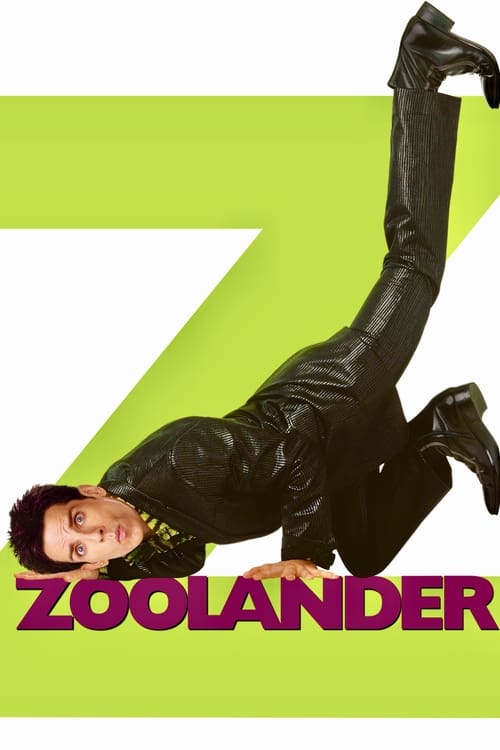
Clear the runway for Derek Zoolander, VH1's three-time male model of the year. His face falls when hippie-chic Hansel scooters in to steal this year's award. The evil fashion guru Mugatu seizes the opportunity to turn Derek into a killing machine. It's a well-designed conspiracy and only with the help of Hansel and a few well-chosen accessories like Matilda can Derek make the world safe for male models everywhere.
Why it received this score
Zoolander exists in that curious liminal space where a 2001 comedy can mock the fashion industry's superficiality without any particular concern for systemic critique. The film operates as pure satire of male models and fashion culture, wielding its humor like a blunt instrument against vapidity itself. Ben Stiller's Derek Zoolander is presented as an object of ridicule, a character so intellectually deficient that his very existence is the joke. This approach, while occasionally landing satirical barbs, lacks any real engagement with power structures or systemic issues that might inform contemporary sensibilities.
The cast includes Christine Taylor as the female lead journalist, a role that functions primarily as the love interest and exposition device, and Milla Jovovich in a largely decorative capacity. The film's treatment of gender operates at the level of surface-level humor rather than any meaningful commentary. Male models are mocked for their stupidity and vanity, female models exist as scenery, and the whole enterprise is treated as inherently ridiculous. This is comedy from an era before the cultural vocabulary for discussing representation, diversity, or systemic bias had become standard in critical discourse.
What remains is a competently executed satire that punches sideways at an industry rather than up or down at any particular power structure. The humor derives from incongruity and absurdity, not from any particular social consciousness. The film has aged into a period piece, a snapshot of early 2000s comedy sensibilities when the question of who appeared on screen and why they were there was not yet a primary concern of filmmaking. It is funny, occasionally quite clever, and entirely innocent of any progressive agenda.
Analysis generated by our Consciousness Algorithm
Critic Reviews
“Something this gleefully goofy and consistently funny would be welcome in any environment.”
“Well-paced, scathingly funny satire of the fashion industry and its eminently lampoonable pomposity.”