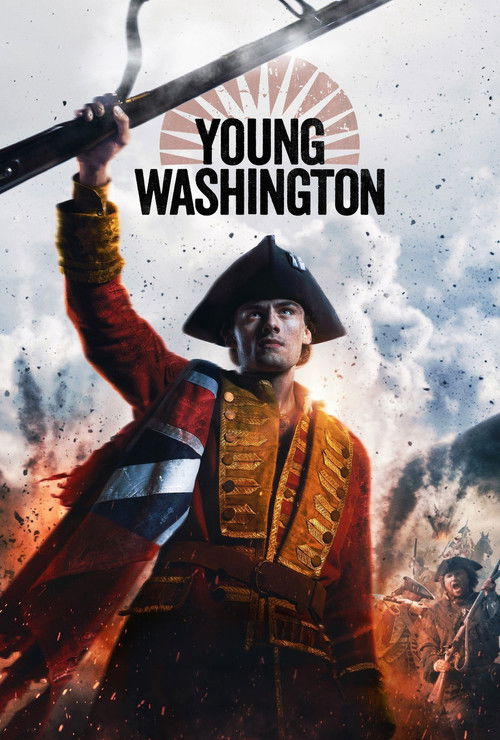
Young Washington (2026)
Directed by Jon Erwin · $46.4M domestic
No · Ultra Based
How we score movies →Consciousness Markers
The cast is composed almost entirely of white British and American actors, consistent with the film's colonial Virginia setting and its deliberate avoidance of diversity casting as a narrative statement.
No LGBTQ+ themes, characters, or subtext are present or reported anywhere in the film or its surrounding press.
No feminist framing is evident. Female characters exist within the period context without any apparent effort to reposition them as proto-feminist figures or vehicles for gender commentary.
The film actively avoids engaging with Washington's history as a slaveholder, which critics read as sanitization. The absence of racial reckoning is not the same as racial consciousness scoring; the film earns nothing here precisely because it refuses to go there.
No climate or environmental themes are present. The wilderness is scenery, not a statement.
No anti-capitalist or wealth-critique themes are present. The film's distribution model, in fact, asks audiences to spend more money as a form of patriotic duty.
No body positivity themes or messaging of any kind are present or reported.
No neurodivergent characters or themes are present or reported.
The film operates in the opposite direction from progressive revisionist history: it is accused by critics of sanitizing the colonial record rather than interrogating it through a modern lens. Sanitization is not revisionism in the woke sense.
The film does lecture, but about humility, duty, and patriotism, not social justice. Conservative virtue-signaling, however earnest, does not register on this instrument.
Synopsis
Before he led a nation, George Washington was a young soldier thrown into a global conflict. With alliances crumbling and war closing in, he must choose who to trust and confront the leader he's becoming.
Why it received this score
Young Washington arrives in theaters on July 4th weekend of the United States' 250th anniversary, distributed by Angel Studios, directed by a man whose previous credits include Jesus Revolution, and concluding with Kelsey Grammer looking directly into the camera to ask you to buy additional tickets as an act of civic virtue. The film's ideological coordinates are, in other words, not difficult to locate. What is genuinely interesting, from a purely taxonomical standpoint, is how comprehensively it registers as a zero across every marker in this office's analytical framework. It is not merely un-woke. It is anti-woke in the way that a vacuum is anti-matter: not through active opposition, but through the complete structural absence of the thing.
The film follows a young George Washington navigating the French and Indian War, confronting treachery, forging character, and becoming, in the approved hagiographic sense, a leader. His status as a slaveholder is present in the background of Mount Vernon and then politely left there, like a difficult relative at a holiday dinner. Progressive critics have called this sanitization. Conservative critics have called it a welcome refusal to apply modern political scolding to a man who has been dead for two centuries. Both observations are correct, and neither of them affects this film's score, because the deliberate avoidance of racial reckoning is not the same as racial consciousness. You cannot score a film for a conversation it declines to have. The instrument measures presence, not absence.
The most culturally significant thing about Young Washington may be its AI controversy, which has nothing to do with social consciousness and everything to do with the economics of mid-budget filmmaking. Over a hundred shots were augmented with generative AI tools. The film lists "AI Artists" in its credits. This is a genuinely novel development in cinema history, and it has absolutely nothing to register on any of our ten markers. We note it here purely as a service to the record. The film is, by every available measure, the photographic negative of the corpus this office typically examines. It scores a zero. It has earned that zero through considerable discipline.
Analysis generated by our Consciousness Algorithm