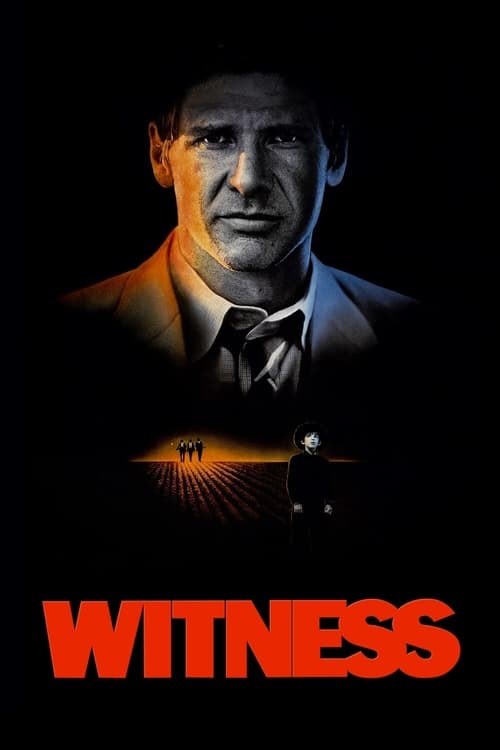
Witness (1985)
Directed by Peter Weir
No · Ultra Based
How we score movies →Consciousness Markers
The cast includes Danny Glover and Brent Jennings in supporting roles, but their characters are functional rather than fully developed. The film demonstrates basic diversity in casting without extending meaningful character complexity to minority performers.
The film contains scenes of the detective learning Amish values and participating in their community rituals, which carry an instructional quality. However, this remains relatively subtle compared to more explicitly preachy works.
The film shows appreciation for the Amish rejection of materialism and technology, but frames this as quaint rather than as a critique of capitalism. The narrative ultimately celebrates the detective's return to his urban, capitalist life.
The film includes African American cast members but treats them as supporting figures without exploring racial themes. No examination of systemic racism or racial dynamics within the police force or broader society.
Kelly McGillis plays the Amish widow with some agency, but the film ultimately positions her as an object of romantic interest for the male protagonist. Her character's arc depends on his presence and protection.
Standard 1985 aesthetic values apply. No particular engagement with body diversity, disability representation, or body positivity in any meaningful sense.
The film does not attempt to revisit or reframe historical events. Its treatment of Amish history and religious persecution remains largely implicit and unexamined.
The Amish setting might suggest environmental consciousness through their simple living, but this is incidental to the narrative rather than thematic. No actual engagement with climate or ecological concerns.
No LGBTQ+ themes, representation, or subtext present in the film. This is a heteronormative thriller with no engagement with sexual orientation or gender identity.
No representation of neurodivergence or disability. The young Amish boy is portrayed as a straightforward witness to trauma without any neurodivergent characteristics being explored.


Synopsis
While protecting an Amish boy – the sole witness to a brutal murder – and his mother, a detective is forced to seek refuge within their community when his own life comes under threat.
Why it received this score
Witness arrives as a product of its era, a time when cinema could still treat the Amish as an exotic backdrop for mainstream action rather than a community deserving of nuanced consideration. Peter Weir's thriller offers the standard late-eighties compromise: a handful of minority cast members in functional roles, none of whom challenge or complicate the narrative in any meaningful way. Danny Glover appears as a fellow detective, lending gravitas and screen time to what amounts to a supporting character who exists primarily to affirm the protagonist's journey. The film's engagement with its Amish setting amounts to appreciative exoticism, a kind of cultural tourism disguised as refuge. We are invited to admire their pacifism and simple living, but the film never extends to these characters the dignity of agency or complexity.
The narrative architecture positions the Amish community as a place of healing and moral instruction for a corrupt urban detective. This is a conservative move: the simple folk teach the city man to slow down and value what matters, a template that requires the Amish to remain static, symbolic, and ultimately subordinate to the protagonist's arc. There are no meaningful conversations about religious freedom, community autonomy, or the historical pressures facing Amish communities. The film's climax depends entirely on the detective's decision to embrace violence in order to protect his hosts, suggesting that their pacifist principles, however admirable, require the intervention of masculine force to be truly effective.
Witness is a competent thriller that happens to include people of color and a cultural community, but these elements serve the structure of a conventional action narrative rather than reflecting any commitment to progressive consciousness. The film treats representation as casting rather than storytelling, a distinction that would not become a critical concern for several decades.
Analysis generated by our Consciousness Algorithm
Critic Reviews
“This is, first of all, an electrifying and poignant love story....And it is also one hell of a thriller.”
“Arguably Harrison Ford’s finest performance, and one of the strongest thrillers to emerge from the heady gloss of the ‘80s, this is director Peter Weir at his most adept.”
“Sure-footed thriller, beautifully photographed, with Ford's best performance thus far.”
“The new movie eloquently dramatizes the unusual cultural conflicts between contemporary, violent urban life and an archaic rural community with pacifist convictions. [08 Feb 1985]”