Winnie the Pooh (2011)
Directed by Stephen J. Anderson
No · Ultra Based
How we score movies →Consciousness Markers
Kanga appears as a capable mother figure, though she functions primarily as a background character. The film makes no particular effort to foreground or examine gender dynamics.
The cast consists of established comedians voicing anthropomorphic animals in a timeless setting. No attention is paid to demographic representation in a film about toy animals.
The film contains no LGBTQ+ themes, characters, or representation of any kind. The narrative is entirely heteronormative by default.
The film features anthropomorphic animals in a fictional English setting. No racial themes or consciousness are present or relevant to the narrative.
There is no climate messaging or environmental consciousness in the film. The Hundred Acre Wood exists outside of any real-world ecological concerns.
The film contains no critique of capitalism, economic systems, or wealth inequality. The characters exist in a pre-industrial fantasy setting.
Body positivity messaging is entirely absent. The characters are stylized animals with no commentary on physical appearance or body image.
There is no representation of or discussion regarding neurodivergence in the film. The characters are written without such considerations.
The film makes no attempt to reinterpret history or challenge historical narratives. It exists entirely outside historical context.
The film contains no moralizing lectures or heavy-handed messaging about social issues. The tone remains consistently light and whimsical.


Synopsis
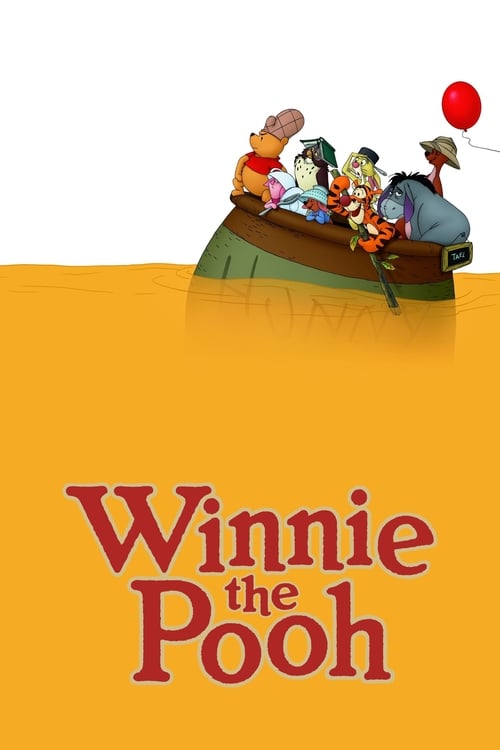
During an ordinary day in Hundred Acre Wood, Winnie the Pooh sets out to find some honey. Misinterpreting a note from Christopher Robin, Owl convinces Pooh, Tigger, Rabbit, Piglet, Kanga, Roo, and Eeyore that their young friend has been captured by a creature named "Backson" and they set out to rescue him.
Why it received this score
Winnie the Pooh arrives as a film of almost aggressive innocence, a deliberate retreat into the soft pastoralism of A.A. Milne's original text. Director Stephen Anderson crafts what amounts to an extended fan letter to mid-century children's literature, complete with deliberately antiquated animation and a narrative so straightforward it could be mistaken for a bedtime story. The plot concerns itself with a rescue mission prompted by a misread note. No deeper meaning lurks beneath this surface. No commentary, progressive or otherwise, contaminates the proceedings.
The voice work, drawn from established comedians like Jim Cummings and Craig Ferguson, treats the material with reverent affection rather than subversion. The film exists in a cultural vacuum, untethered from contemporary concerns about representation or social messaging. This is not a criticism so much as an observation about its fundamental conservatism of purpose. The characters remain precisely as Milne conceived them, occupying a timeless English wood where nothing ages and nothing changes.
What emerges is a film so thoroughly committed to nostalgic purity that it becomes almost a historical artifact in its own right. The 2011 Winnie the Pooh has no interest in challenging its audience or reflecting current cultural debates. It is content to simply exist as a warm, harmless entertainment, the cinematic equivalent of a well-worn stuffed animal. For those seeking progressive cultural markers or social consciousness in their children's entertainment, this film offers nothing. For those seeking an afternoon of gentle, undemanding pleasure, it delivers precisely that.
Analysis generated by our Consciousness Algorithm
Critic Reviews
“Winnie The Pooh is a storybook brought to life with intelligence, wit, and palpable affection; where so many kids' films try desperately to come off as hip and timely that they often feel tacky and instantly dated, Winnie The Pooh is bravely quiet, old-fashioned, and wry.”
“The effect recalls the beguiling lightness of the good old Disney, where clever visual and thematic feats are deftly interwoven and yet tossed off with an insouciance that favors playfulness above all.”
“The narrative, cobbled together from various Pooh stories by an army of writers, is held together reasonably well by John Cleese's soothing narration.”