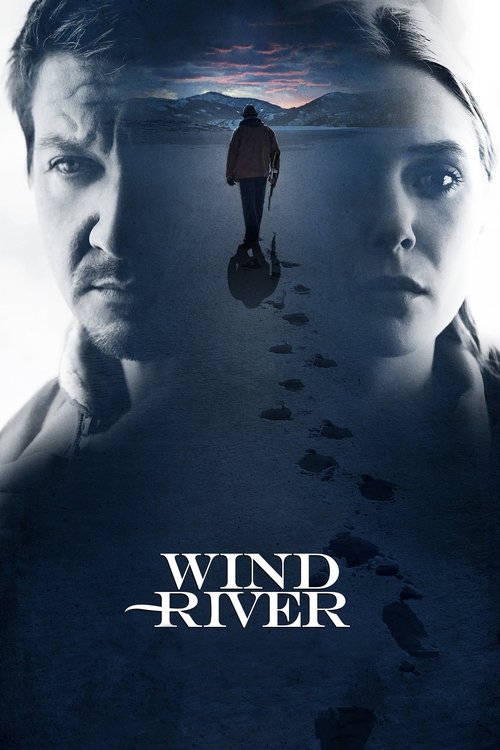
Wind River (2017)
Directed by Taylor Sheridan
Partly · Woke-Adjacent
How we score movies →Consciousness Markers
The film explicitly addresses systemic racism, jurisdictional injustice, and the targeting of Indigenous women. It raises awareness of real-world inequities and depicts institutional failure. However, the narrative structure implies that white expertise and intervention are required to address these problems.
The film features Indigenous actors in significant roles and was partially produced by the Tunica-Biloxi Tribe, yet the primary protagonists and drivers of narrative action remain white. Indigenous characters are present but not positioned as the agents of their own justice.
The film includes expository dialogue about systemic racism and injustice, though it is integrated into character moments rather than delivered as pure exposition. The preachy element is present but somewhat restrained.
The film gestures toward historical context regarding Indigenous dispossession and systemic injustice, but does not deeply engage with or revise historical narratives in a sustained way.
The film centers on violence against women and includes a female FBI agent protagonist, but the murdered Indigenous women exist primarily as plot devices rather than fully realized figures with agency or interior lives.
No LGBTQ+ themes or characters are present in the film.
Climate change or environmental consciousness plays no role in the film's narrative.
The film does not engage with critiques of capitalism or economic systems.
Body positivity is not a theme or concern in this crime thriller.
No representation or exploration of neurodivergence is present in the film.


Synopsis
An FBI agent teams with the town's veteran game tracker to investigate a murder that occurred on a Native American reservation.
Why it received this score
Wind River arrives as a film of genuine structural contradiction, which may be precisely the point. Taylor Sheridan's thriller centers itself on the very real crisis of missing and murdered Indigenous women, deploying that real-world trauma as both moral urgency and murder mystery mechanics. The film includes Indigenous actors in substantial roles and addresses systemic injustice within tribal law enforcement with something approaching seriousness. Yet it does so through the narrative lens of two white protagonists, a Fish and Wildlife tracker and an FBI agent, who function as the audience's guides and ultimately as the agents of resolution. This is the white savior framework rendered in thriller form.
The casting choices reveal the film's deeper tensions. While Indigenous actors appear throughout, they occupy supporting and victim roles. Elizabeth Olsen's FBI agent serves as the audience surrogate, learning and being educated by the world around her. Jeremy Renner's character possesses local knowledge and emotional depth. Their presence, competence, and ultimate vindication in solving the crime becomes the narrative's moral center. The film raises consciousness about real injustice but channels that awareness through a structure that positions white intervention as the necessary solution. This is progressive content delivered through a conservative narrative architecture.
The film does not shy from depicting systemic racism and jurisdictional failures that harm Indigenous communities. Yet the very act of showing these failures while centering white protagonists as the solution contains a built-in ideological claim about where power and agency properly reside. The film's commercial and critical success suggests audiences found its approach palatable, a way to engage with difficult subjects while maintaining familiar narrative hierarchies. This is sophisticated cultural work, but sophistication does not absolve the underlying structural problem.
Analysis generated by our Consciousness Algorithm
Critic Reviews
“Writer-director Taylor Sheridan’s Wind River is a stark and beautiful and haunting 21st century Western thriller, filled with memorable visuals and poetic dialogue — and scenes of sudden, shocking, brutal violence.”
“It does show us, in threads deftly woven, how circumstances can push hard against people, making everyday living a battle.”
“The focus here is always on character and storytelling and the acting that brings it all alive. With thrillers this good becoming a lost art, Wind River is definitely one to savor.”
“When Taylor Sheridan is left to his own devices, his work seems more abrupt and shallow, no more so than when he resolves all of this film's lingering questions in one unremittingly nasty sideswipe of a flashback. ”