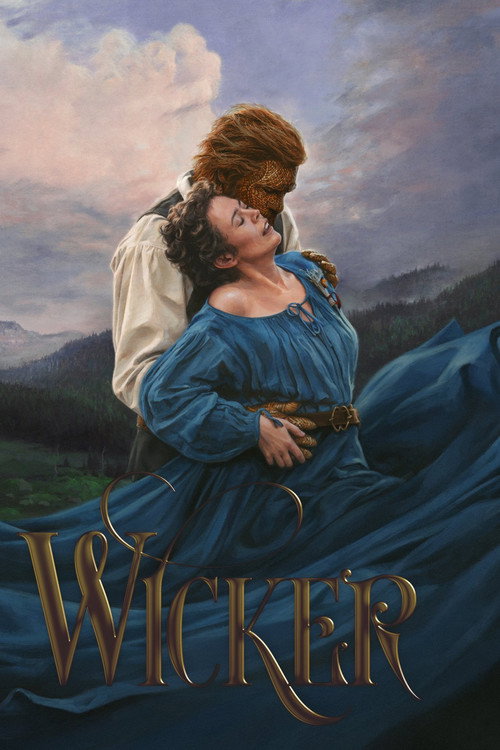
Is Wicker (2026) Woke?
Wicker · 2026 · Directed by Eleanor Wilson · $5.7M domestic
Woke Score
CriticCritic Score
Audience
Woke
Critics rated this 8 points above its woke score. Among Woke films, this critic score ranks #65 of 100.
Answer: Yes
Woke Score 62/100 · Verdict: Woke
Strongest markers: Feminist Agenda (78) · Body Positivity (55) · Representation Casting (55)
Representation Casting
Score: 55/100
A medieval coastal fable populated by Peter Dinklage, Nabhaan Rizwan, Marli Siu, and Kiell Smith-Bynoe. The period setting makes the diversity of the ensemble a clear curatorial decision rather than a reflection of historical demography.
LGBTQ+ Themes
Score: 10/100
No LGBTQ+ characters or storylines are present in the film. The broader thematic interest in sexual non-conformity and unconventional partnership earns a marginal score, but nothing concrete surfaces in the research.
Feminist Agenda
Score: 78/100
The film's entire architecture is feminist: a woman in her 50s claims sexual agency, rejects the village's literal metal collar of wifehood, and constructs an equal partnership on her own terms. Critics uniformly identified the dismantling of patriarchal marital norms as the film's central project.
Racial Consciousness
Score: 10/100
Race is not a subject the film engages with thematically. The diverse casting registers under representation rather than any conscious interrogation of racial dynamics within the narrative.
Climate Crusade
Score: 0/100
No climate themes, environmental messaging, or ecological consciousness of any kind. The wicker is purely romantic in purpose.
Eat the Rich
Score: 15/100
The village's rigid social hierarchy and the Fisherwoman's position at its economic and social margins carry faint allegorical weight, but the film does not mount any explicit critique of capital or class structures.
Body Positivity
Score: 55/100
The film deliberately centers a woman in her 50s in a steamy romantic fantasy, with Alexander Skarsgård explicitly noting in press that the film's erotic charge does not depend on a 23-year-old protagonist. Subverting age-based beauty standards is a conscious and documented creative choice.
Neurodivergence
Score: 0/100
No neurodivergent characters or themes are present. Nothing in the research or metadata suggests otherwise.
Revisionist History
Score: 20/100
The film retrofits modern feminist sensibilities onto a pre-modern fable setting, but as a fantasy fable adapted from a short story, this is largely genre convention. The revisionism is atmospheric rather than pointed.
Lecture Energy
Score: 45/100
Critics describe the film as carrying explicit lessons about feminism and toxic masculinity, and the RogerEbert.com review frames its central questions in the earnest register of a moral argument. The bawdy comedic tone likely prevents full-scale sermonizing, but the pulpit is visible.
Synopsis
On the outskirts of a village by the sea, lives a Fisherwoman; smelly, single and perpetually ridiculed. One day, fed up with her stuffy, small-minded neighbours, she commissions herself a husband to be made from wicker. In an otherwise conservative town, this unconventional romance sparks outrage, jealousy and chaos.
Why it received this score
*Wicker* arrives as a medieval romantic fable about a fisherwoman who, finding the available men of her village inadequate, simply has one manufactured from natural materials. This is presented as an act of radical self-determination. We are invited to agree, and the film is not shy about its invitations.
Eleanor Wilson's film, adapted from Ursula Wills' short story and starring Olivia Colman in a role that the press has described, repeatedly, as "brave," is most accurately understood as a feminist thesis paper that has been dipped in brine and given a costume budget. The Fisherwoman rejects the village's literal metal collar of matrimony, establishes a relationship of perfect equality with a man who is, structurally speaking, unable to disagree with her, and proceeds to be vindicated on every front. The film's satirical targets, puritanical neighbors, jealous women who have made their peace with bad husbands, one particularly toxic specimen of organic masculinity, are arranged with the careful geometry of a shooting gallery. Alexander Skarsgård, to his credit, brings genuine physicality and warmth to a role that is, at its core, a thought experiment about what men would be like if women built them from scratch.
The casting of the film across its ensemble deserves a separate notation. A medieval English coastal village in this telling contains a demographic range that would impress a contemporary HR department, and Peter Dinklage, for his part, delivers the film's most grounded and quietly subversive performance. The film is genuinely funny in places, and Colman is, as ever, incapable of a false note. It is also, in places, content to simply state its themes aloud and wait for the audience to nod. The wicker husband is a better listener than most critics. He is also, reportedly, free of splinters. The internet had questions. The film had answers. This is the discourse we have now.
Analysis generated by our Consciousness Algorithm
Critic Reviews
“Wicker is such a sharp, and timely look at relationships, passed through the lens of a beautiful fable about magic and true love. Olivia Colman and Alexander Skarsgard are fantastic. It's funny, sexy as hell, and one of the best movies of the year.”
“Bouncing all the way to a truly perfect ending, Wicker is funny and freaky and sweetly romantic. It is also relentless in its conviction that the most destabilizing force in a society is a woman who dares to ask for what she wants. ”
“Wicker amounts to a can’t-miss curiosity, adeptly weaving humor, social commentary, and a potent contemplation on the self-destructive perils of jealousy. ”
“Meanwhile, on the rare occasions that something does threaten to resonate emotionally – such as Debicki’s own deep-seated reasons for envying Colman’s marital happiness – Wicker loses its nerve and lapses back into whoops-a-daisy, watch-your-turnips-madam mode.”
Related rankings
Consciousness Markers
A medieval coastal fable populated by Peter Dinklage, Nabhaan Rizwan, Marli Siu, and Kiell Smith-Bynoe. The period setting makes the diversity of the ensemble a clear curatorial decision rather than a reflection of historical demography.
No LGBTQ+ characters or storylines are present in the film. The broader thematic interest in sexual non-conformity and unconventional partnership earns a marginal score, but nothing concrete surfaces in the research.
The film's entire architecture is feminist: a woman in her 50s claims sexual agency, rejects the village's literal metal collar of wifehood, and constructs an equal partnership on her own terms. Critics uniformly identified the dismantling of patriarchal marital norms as the film's central project.
Race is not a subject the film engages with thematically. The diverse casting registers under representation rather than any conscious interrogation of racial dynamics within the narrative.
No climate themes, environmental messaging, or ecological consciousness of any kind. The wicker is purely romantic in purpose.
The village's rigid social hierarchy and the Fisherwoman's position at its economic and social margins carry faint allegorical weight, but the film does not mount any explicit critique of capital or class structures.
The film deliberately centers a woman in her 50s in a steamy romantic fantasy, with Alexander Skarsgård explicitly noting in press that the film's erotic charge does not depend on a 23-year-old protagonist. Subverting age-based beauty standards is a conscious and documented creative choice.
No neurodivergent characters or themes are present. Nothing in the research or metadata suggests otherwise.
The film retrofits modern feminist sensibilities onto a pre-modern fable setting, but as a fantasy fable adapted from a short story, this is largely genre convention. The revisionism is atmospheric rather than pointed.
Critics describe the film as carrying explicit lessons about feminism and toxic masculinity, and the RogerEbert.com review frames its central questions in the earnest register of a moral argument. The bawdy comedic tone likely prevents full-scale sermonizing, but the pulpit is visible.