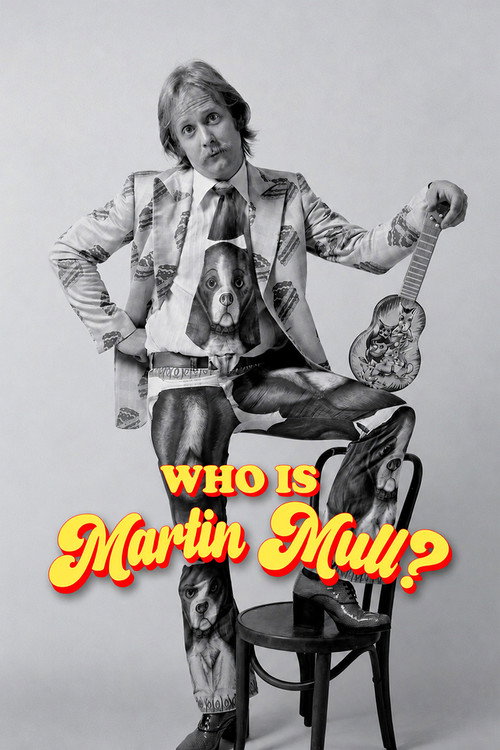
Is Who Is Martin Mull? (2026) Woke?
Who Is Martin Mull? · 2026 · Directed by Neil Berkeley
Woke Score
CriticCritic Score
Ultra Based
Critics rated this 80 points above its woke score. Among Ultra Based films, this critic score ranks #380 of 1501.
Answer: No
Woke Score 0/100 · Verdict: Ultra Based
Representation Casting
Score: 0/100
This is a documentary portrait of a specific real person. The interviewee roster reflects Mull's actual professional circle, not any casting agenda.
LGBTQ+ Themes
Score: 0/100
No LGBTQ+ themes, characters, or advocacy are present or identified in the film.
Feminist Agenda
Score: 0/100
The documentary contains no feminist framing or gender-politics commentary. It is a retrospective about a man's career and artistic identity.
Racial Consciousness
Score: 0/100
Race is not a thematic lens in this film. David Alan Grier appears as a friend and colleague, not as a vehicle for racial commentary.
Climate Crusade
Score: 0/100
No climate themes, environmental messaging, or ecological consciousness of any kind are present.
Eat the Rich
Score: 0/100
The film touches on commerce only insofar as Mull used acting work to fund his painting, which reads as personal biography rather than systemic critique.
Body Positivity
Score: 0/100
Body image and physical self-acceptance are not raised as themes at any point in the documentary.
Neurodivergence
Score: 0/100
No neurodivergence themes or framing are identified. The personal struggles covered involve alcoholism and a strained paternal relationship.
Revisionist History
Score: 0/100
The film is a straightforward retrospective with no attempt to reframe or recontextualize historical events through a modern ideological lens.
Lecture Energy
Score: 0/100
Critical reception describes the film as tender and poignant. There is no sermonizing, no instructional moral framework, and no audience being corrected about anything.


Synopsis
Discover Martin Mull's restless reinvention from smoky folk clubs to primetime sitcoms to gallery walls, told in his own words and by the friends who watched it happen, including Steve Martin, Tom Waits, David Alan Grier and others.
Why it received this score
Neil Berkeley's documentary about Martin Mull arrives carrying the particular weight of a film in which several of its subjects have since died, including Mull himself, Bob Saget, and Fred Willard. This lends the proceedings an elegiac quality that no amount of retrospective planning could have engineered. The film traces Mull's trajectory from folk parody to satirical television to mainstream sitcoms, all while insisting, as Mull himself insists, that the painting was always the real work. Comedy was the day job. The canvas was the point. This is either a profound statement about artistic identity or an elaborate excuse, and the film is generous enough to let us decide.
From the perspective of our sacred classification duties, "Who Is Martin Mull?" presents a scoring challenge so minimal it borders on the philosophical. A documentary about a white male comedian of a certain generation, whose primary legacy involves Fernwood 2-Night and a body of fine art, does not arrive pre-loaded with progressive social architecture. The cultural research turned up no discourse, no controversy, no diversity debates. The film concerns itself with alcoholism, a difficult father, and the question of whether a man who makes people laugh for money is allowed to call himself a painter. These are old questions. They predate the current era of cultural inventory by several decades.
The result is a documentary that commits the increasingly rare act of being about exactly what it says it is about. The interviewees speak warmly. The archival footage does its job. The emotional weight accumulates naturally from the biographical facts rather than from any imposed framework of social urgency. In a crowded field of documentaries that arrive knowing precisely what lesson they intend to teach, this one seems genuinely unsure, in the best possible way, of what it wants to prove. We have nothing to score here. The instruments remain in their cases.
Analysis generated by our Consciousness Algorithm
Critic Reviews
“An incredibly moving, funny, and uniquely existential documentary that honors Martin Mull's genius and humanity.”
“Who is Martin Mull? is a tender, personal examination of a career that's shot through with poignancy because of how many people involved in this production are no longer with us.”
“Biographical documentary Who is Martin Mull? is destined for a sad ending: its subject passed away in 2024, and its director, funnyman Bob Saget, died in 2022 before he could finish the project.”
“The elegiac tone of Who Is Martin Mull? isn't entirely inappropriate—the actor, comedian, musician and painter died in 2024 after what was reported to have been a long illness.”
Related rankings
Consciousness Markers
This is a documentary portrait of a specific real person. The interviewee roster reflects Mull's actual professional circle, not any casting agenda.
No LGBTQ+ themes, characters, or advocacy are present or identified in the film.
The documentary contains no feminist framing or gender-politics commentary. It is a retrospective about a man's career and artistic identity.
Race is not a thematic lens in this film. David Alan Grier appears as a friend and colleague, not as a vehicle for racial commentary.
No climate themes, environmental messaging, or ecological consciousness of any kind are present.
The film touches on commerce only insofar as Mull used acting work to fund his painting, which reads as personal biography rather than systemic critique.
Body image and physical self-acceptance are not raised as themes at any point in the documentary.
No neurodivergence themes or framing are identified. The personal struggles covered involve alcoholism and a strained paternal relationship.
The film is a straightforward retrospective with no attempt to reframe or recontextualize historical events through a modern ideological lens.
Critical reception describes the film as tender and poignant. There is no sermonizing, no instructional moral framework, and no audience being corrected about anything.