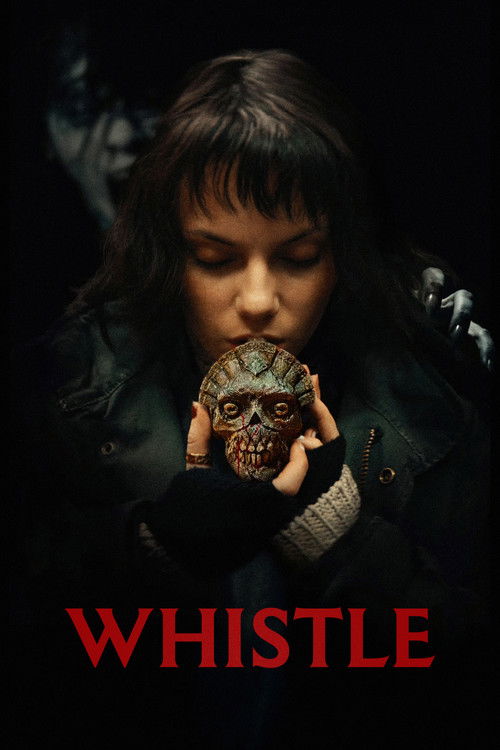
Whistle (2026)
Directed by Corin Hardy
No · Based
How we score movies →Consciousness Markers
The ensemble cast includes actors of diverse ethnic backgrounds (Dafne Keen, Sky Yang, Jhaleil Swaby), suggesting intentional diversity in casting. However, the 'misfit' framing feels more like contemporary default than genuine representation of character complexity.
The film centers Aztec cultural mythology, but interviews suggest the filmmakers lacked deep knowledge of the actual culture. This represents appropriation rather than authentic racial consciousness or cultural respect.
While the film uses Aztec mythology as a plot device, it does not appear to make explicit historical revisionist claims, instead treating the mythology as fictional horror element.
Dafne Keen leads the ensemble, but no evidence suggests feminist themes drive the narrative. The protagonist appears to be a typical teen horror protagonist without ideological dimension.
The film is designed as genre entertainment rather than preachy cinema. Any cultural or mythological elements appear incidental to the horror mechanics rather than pedagogical.
No evidence of LGBTQ+ themes or representation in the available plot summary or critical discussions. The film is a straightforward cursed object horror narrative.
A teen horror film focused on a cursed artifact contains no apparent climate-related themes or messaging.
No anti-capitalist commentary or critique of wealth structures evident in the premise or available critical reception.
A horror film designed around death sequences and supernatural kills offers no body positivity messaging or representation.
No evidence of neurodivergent character representation or themes in the available plot information or reviews.


Synopsis
A misfit group of unwitting high school students stumble upon a cursed object, an ancient Aztec Death Whistle. They discover that blowing the whistle and the terrifying sound it emits will summon their future deaths to hunt them down.
Why it received this score
Whistle represents a curious paradox in contemporary horror: a film that assembles a visibly diverse teen ensemble cast while simultaneously treating indigenous mythology as little more than a narrative MacGuffin. Director Corin Hardy has crafted what amounts to a competent Final Destination riff, complete with the requisite death sequences and high school detention setup, yet the foundation rests on Aztec cultural imagery deployed with the cultural literacy of someone who learned about the subject from the Wikipedia plot summary. The cast includes actors of various backgrounds, and their "misfit" status suggests an attempt at contemporary inclusivity, though the film offers no indication that these characters possess any particular awareness of the cultural origins of their cursed artifact.
The horror itself is straightforward genre entertainment with no apparent progressive sensibilities beyond surface-level casting. There are no LGBTQ+ themes, no feminist subtext, no climate messaging, and certainly no anti-capitalist commentary. The film exists in a cultural vacuum where Aztec death mythology is merely exotic window dressing for a slasher formula. One might argue that the very act of centering indigenous cultural elements represents a form of cultural consciousness, but the available evidence suggests the opposite: the filmmakers approached this material as outsiders seeking novelty rather than respectful engagement. The film is neither bad nor particularly offensive, merely indifferent to the implications of its own premise.
Whistle is horror cinema in its most neutral state, generic enough to offend no one and thoughtful enough to satisfy none. It is comfortable operating in the space between exploitation and earnest representation, committed fully to neither. This is not cultural progressivism. This is the sound of a whistle blown by someone who never bothered to learn what it means.
Analysis generated by our Consciousness Algorithm
Critic Reviews
“It’s a clever hook, and the film milks it for some genuinely inventive, well-executed set pieces. As a delivery system for imaginative deaths, Whistle does its job with a certain professional pride.”
“Even though 'Whistle' offers nothing new to the supernatural death curse genre, it’s directed by Corin Hardy, and Corin Hardy likes to go hog wild. ”
“Much like the rides at the carnival, Whistle delivers heady highs and some disconcerting lows, sometimes within the same scene. It’s a film with flashes of imagination and nostalgia that suggest something brighter lurking beneath the surface. Much like the whistle itself, it delivers on what it promises, and the noise it makes is hard to ignore.”
“This might have been a better movie if its creators embraced their fitful bloodthirst. Instead, they seem to hope that you like these stock characters enough that you’ll gasp when their friends and enemies inevitably bite the dust. A machine to kill vague people, “Whistle” never delivers on its frightful promise.”