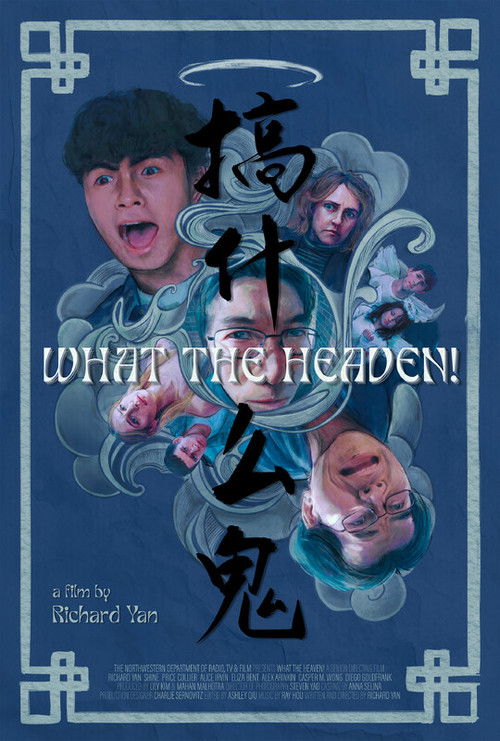
What the Heaven! (2026)
Directed by Richard Yan
Partly · Woke-Adjacent
How we score movies →Consciousness Markers
The protagonist is explicitly Chinese American and the film centers on Asian American family dynamics. However, this representation functions primarily as identity fact rather than as thematic interrogation. The casting appears intentional but not particularly progressive in its execution.
The film engages with cultural identity through its Chinese American protagonist and the theme of bridging cultures. However, this engagement appears to be thematic rather than analytical, treating cultural difference as emotional material rather than as a subject of critique.
The film appears to be a character-driven dramedy rather than overtly didactic. However, its explicit focus on bridging cultures and resolving generational conflict suggests some degree of moral messaging, though not heavy-handed.
While the film engages with intergenerational and cultural themes, no evidence suggests it attempts to revise historical narratives or challenge conventional historical understandings. The focus remains personal and familial.
The bureaucratic afterlife setting could suggest systemic critique, but available evidence indicates the satire targets administrative inefficiency rather than capitalist structures or class hierarchies. No anti-capitalist agenda is apparent.
The film's gender politics are not addressed in available descriptions. The narrative centers on male characters and male-male relationships, with no apparent feminist framework or female-centered perspective.
No discernible LGBTQ+ themes or representation are evident from available information. The film focuses on heteronormative family structures and generational conflict between father and son.
Body positivity or body-related progressive consciousness does not appear to be a thematic concern. No information suggests the film addresses body image, diversity, or related issues.
No climate-related themes, messaging, or consciousness are evident in the film's premise or narrative description. Environmental concerns are entirely absent.
No indication that neurodivergence is represented or discussed. The film's focus on family reconciliation and cultural identity does not extend to neurodiversity.
Synopsis
When his recently deceased father returns as a ghost, a Chinese American student must help him resolve unfinished business, bridging generations, cultures, and their strained relationship, before he can pass on to the afterlife.
Why it received this score
Richard Yan's debut short film occupies a peculiar position in contemporary indie cinema, one that demands the kind of careful tonal analysis usually reserved for wine tastings. The film presents itself as a heartfelt dramedy about intergenerational conflict and cultural identity, yet its actual engagement with progressive sensibilities remains curiously muted. Yes, the protagonist is explicitly identified as Chinese American, and yes, the narrative concerns itself with bridging cultural divides between parent and child. These are the markers we have been trained to recognize. Yet the film's treatment of these elements appears to function primarily as emotional scaffolding rather than cultural interrogation, which is to say it uses identity as a vehicle for universal familial themes rather than as a subject worthy of examination in itself.
The afterlife-as-bureaucracy conceit suggests a certain satirical impulse, but one directed at administrative systems rather than at social structures or power dynamics. This is the film's most telling evasion. A work genuinely invested in contemporary progressive consciousness would likely find in this premise an opportunity to interrogate hierarchies, institutional discrimination, or systemic barriers. Instead, the bureaucracy appears to function as mere comedic window dressing, a metaphorical container for the real drama of father-son reconciliation. The film's engagement with representation, then, is inadvertently conservative in its implications, treating Chinese American identity as a given fact of casting rather than as a lived experience worthy of sustained attention.
What results is a film that exists in the moderate register, neither hostile to nor particularly invested in the contemporary cultural preoccupations that define progressive cinema in 2026. Yan's work is earnest, competent, and thoroughly aware of its own ethnic identity, but it maintains a kind of defensive distance from the more uncomfortable questions that such identity might raise. This is not a condemnation, merely an observation. The film knows what it is, and what it is does not particularly aspire to be a vehicle for cultural awakening.
Analysis generated by our Consciousness Algorithm