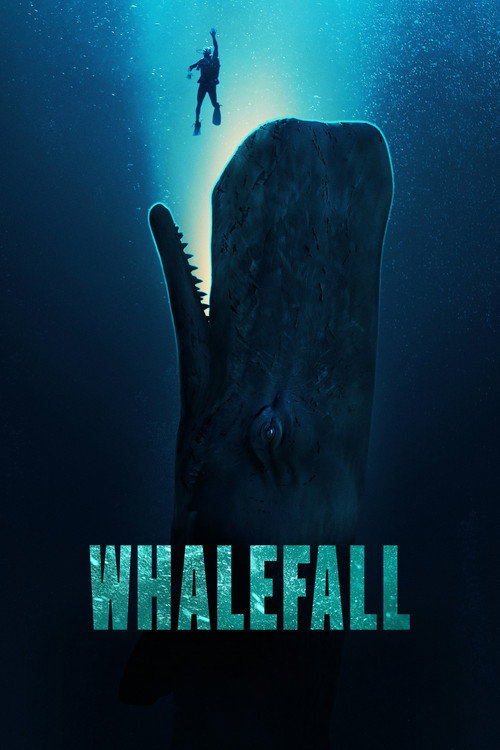
Is Whalefall (2026) Woke?
Whalefall · 2026 · Directed by Brian Duffield · $7.8M domestic
Woke Score
CriticCritic Score
Audience
Ultra Based
Critics rated this 44 points above its woke score. Among Ultra Based films, this critic score ranks #936 of 1501.
Answer: No
Woke Score 15/100 · Verdict: Ultra Based
Strongest markers: Climate Crusade (22) · Lecture Energy (18) · Representation Casting (10)
Representation Casting
Score: 10/100
The cast is largely conventional with no evidence of identity-driven casting discourse. John Ortiz appears in a supporting role, but press coverage focused entirely on the film's survival mechanics rather than any representational agenda.
LGBTQ+ Themes
Score: 0/100
No LGBTQ+ themes, characters, or subtext are present in the research or the film's premise. The emotional core is strictly a father-son heteronormative grief narrative.
Feminist Agenda
Score: 8/100
The film is structured around a male generational trauma arc, with women in supporting roles. Critics note the interrogation of masculine emotional hardness, which carries a faint feminist critique of patriarchal stoicism, though it is not the film's primary thesis.
Racial Consciousness
Score: 0/100
No evidence of racial consciousness as a thematic, narrative, or marketing element. Race is not a subject of critical discussion in any reviewed coverage.
Climate Crusade
Score: 22/100
Director Brian Duffield explicitly frames the film as the opposite of Jaws, stating that the whale is the hero of the movie. Marine biology consultants were engaged to underscore ecological accuracy, positioning the ocean as a system deserving reverence rather than conquest.
Eat the Rich
Score: 0/100
No anti-capitalist themes, class critique, or corporate villainy appear in the research or premise. The antagonist is a whale. It has no economic agenda.
Body Positivity
Score: 0/100
No body positivity themes are present. The film's engagement with bodies is limited to the visceral horror of being dissolved inside a sperm whale, which is a different conversation entirely.
Neurodivergence
Score: 0/100
No neurodivergent characters, themes, or framing appear in any coverage or the film's premise.
Revisionist History
Score: 0/100
The film is an original survival thriller set in the present day. There is no historical revisionism of any kind.
Lecture Energy
Score: 18/100
Critics note the film's messaging around toxic grief and how emotional hardness is mistaken for strength, with some reviewers finding the father-son melodrama heavy-handed against the survival thriller pacing. The sermon is present, but mercifully muffled by whale stomach acid.
Synopsis
Following the death of his father, Jay Gardiner goes diving off the central Coast of California in search of his remains, but is swallowed by a massive sperm whale. While trapped inside its belly with only one hour of oxygen left, Jay comes to realize that the hard-earned lessons his father imparted may be the key to his escape.
Why it received this score
*Whalefall* arrives with a premise so audaciously literal that it practically dares you to take it seriously: a young man goes diving, gets swallowed by a sperm whale, and must escape using the survival wisdom of the emotionally unavailable father whose remains he was searching for in the first place. Brian Duffield, working from Daniel Kraus's 2023 novel, commits to this with the full sincerity of someone who has never once considered that the metaphor could be made less explicit. The whale is, we are told, not a monster. The whale is the hero. The whale is a vast, indifferent ecosystem going about its business. It is the father who was the monster, arguably, though the film prefers the more therapeutic framing of "complicated."
The ecological positioning is the film's most legible progressive gesture. Duffield has gone on record distancing himself from the *Jaws* tradition of oceanic villainy, and the production's consultation with marine biologists lends the proceedings a quality of earnest scientific deference that would be at home in a nature documentary, were the nature documentary also about a boy processing grief inside a digestive tract. The film's environmental consciousness is sincere rather than strident. It does not lecture so much as it frames, which is a meaningful distinction, though not always a comfortable one.
Where the film accumulates its modest tally of progressive sensibilities is in its treatment of masculine emotional inheritance. Critics have noted the film's preoccupation with how stoicism gets passed down as survival skill, and how the cost of that transaction is tallied in the next generation's therapy bills. This is not a new argument, and *Whalefall* does not make it a new way. It makes it inside a whale, which is new, and that novelty carries the film further than the messaging alone would warrant. The result is a survival thriller that wants, sincerely, to be a healing experience. Whether you require your healing experiences to involve cetacean gastric fluids is a matter of personal preference.
Analysis generated by our Consciousness Algorithm
Critic Reviews
“Whalefall is a lot of things: It's terrifying, awe-inspiring, moving, a little sappy, unbelievably earnest, and wholly memorable. Above all, though, Whalefall is confident. It's the kind of confidence that lets you know you're in for a treat from the first moment the screen comes to life, and the kind of confidence that turns what could've been an average movie into something we're going to be talking about and re-watching for years to come.”
“The survival thriller creature feature genre isn’t dead, but with Whalefall, director Brian Duffield injects it with such grueling, bewitching delights that it feels mightily resurrected.”
“The new movie Whalefall does indeed largely take place in the digestive guts of a sperm whale. And it’s fantastic.”
“What gets Whalefall through are some spectacular set pieces and Morton’s spectacular underwater cinematography, but neither can hide that this is the smartest possible version of a truly dumb movie. Quite honestly, both we and the whales deserve better.”
Related rankings
Consciousness Markers
The cast is largely conventional with no evidence of identity-driven casting discourse. John Ortiz appears in a supporting role, but press coverage focused entirely on the film's survival mechanics rather than any representational agenda.
No LGBTQ+ themes, characters, or subtext are present in the research or the film's premise. The emotional core is strictly a father-son heteronormative grief narrative.
The film is structured around a male generational trauma arc, with women in supporting roles. Critics note the interrogation of masculine emotional hardness, which carries a faint feminist critique of patriarchal stoicism, though it is not the film's primary thesis.
No evidence of racial consciousness as a thematic, narrative, or marketing element. Race is not a subject of critical discussion in any reviewed coverage.
Director Brian Duffield explicitly frames the film as the opposite of Jaws, stating that the whale is the hero of the movie. Marine biology consultants were engaged to underscore ecological accuracy, positioning the ocean as a system deserving reverence rather than conquest.
No anti-capitalist themes, class critique, or corporate villainy appear in the research or premise. The antagonist is a whale. It has no economic agenda.
No body positivity themes are present. The film's engagement with bodies is limited to the visceral horror of being dissolved inside a sperm whale, which is a different conversation entirely.
No neurodivergent characters, themes, or framing appear in any coverage or the film's premise.
The film is an original survival thriller set in the present day. There is no historical revisionism of any kind.
Critics note the film's messaging around toxic grief and how emotional hardness is mistaken for strength, with some reviewers finding the father-son melodrama heavy-handed against the survival thriller pacing. The sermon is present, but mercifully muffled by whale stomach acid.