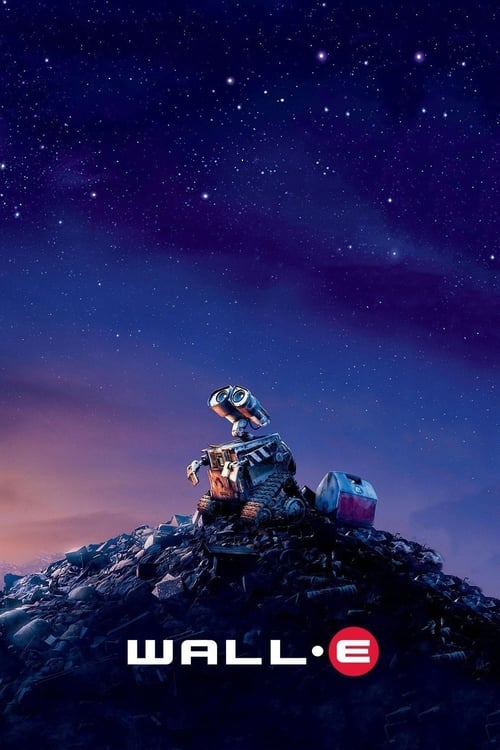
WALL·E (2008)
Directed by Andrew Stanton
No · Based
How we score movies →Consciousness Markers
Strong environmental messaging is central to the plot. The film presents ecological collapse as the consequence of consumer excess and corporate control, with visual emphasis on planetary devastation.
Buy-N-Large corporation is presented as the systemic villain responsible for Earth's destruction. The film critiques consumerism and corporate consolidation as inherent to human civilization's failure.
EVE is coded as female but functions primarily as a romantic object within a male-centered narrative. Limited agency or feminist messaging.
The cast is predominantly white and male. No significant racial diversity in voice acting or character design. This is a notable absence for a film imagining humanity's future.
The film delivers its messages through visual storytelling and wordless sequences rather than explicit dialogue or exposition. Deliberately non-preachy in approach.
The EVE-WALL·E relationship is presented in heteronormative terms with no LGBTQ+ representation or themes present in the film.
Humans are depicted as overweight in a satirical critique of consumer culture, but this functions as visual comedy at the expense of fat bodies rather than body positivity messaging.
No meaningful engagement with racial themes or diversity. The film's future vision lacks racial representation entirely.
No representation of or engagement with neurodivergence in any form.
The film does not engage in reinterpretation of historical events or narratives.


Synopsis
After hundreds of years doing what he was built for, WALL•E, a robot designed to clean up the earth, discovers a new purpose in life when he meets a sleek search robot named EVE. EVE comes to realize that WALL•E has inadvertently stumbled upon the key to the planet's future, and races back to space to report to the humans. Meanwhile, WALL•E chases EVE across the galaxy and sets into motion one of the most imaginative adventures ever brought to the big screen.
Why it received this score
WALL·E occupies a peculiar position in the contemporary cultural landscape, arriving in 2008 with environmental messaging that would not feel out of place in a 2020s progressive critique, yet lacking the representational consciousness that such messaging would entail today. The film's central argument, that unchecked consumerism and corporate consolidation have rendered Earth uninhabitable, is delivered with the subtlety of a wordless robot film, which is to say, with visual elegance and no lectures whatsoever. The Buy-N-Large corporation serves as the villain without needing to be named as such, a satirical touch that suggests systemic rather than individual moral failure.
However, the film's approach to human bodies complicates its environmental satire. The depiction of all remaining humans as sedentary and obese functions simultaneously as both a critique of consumer culture and a visual joke at the expense of fat bodies. This is not body positivity. The film also presents a strikingly monochromatic human cast, with no apparent racial diversity among the voice actors or character designs, a notable omission for a film concerned with the future of human civilization. The female-coded robot EVE, while central to the plot, exists primarily as a romantic object rather than as a character with her own arc or agency.
The film's environmental consciousness, present and genuine, is tempered by these absences. It speaks to the particular historical moment of 2008, when climate concern had not yet been fully synthesized with the broader social consciousness movements that would follow. WALL·E cares about the planet's future with clarity that deserves recognition, but it cares for a future that remains, in its imagination, stubbornly homogeneous and structured around conventional gender dynamics. This is not a failure of artistic ambition, merely of cultural awareness.
Analysis generated by our Consciousness Algorithm
Critic Reviews
“A film that's both breathtakingly majestic and heartbreakingly intimate.”
“The visual design of Wall-E is arguably Pixar's best. Stanton, who wrote the script with Jim Reardon from a story he concocted with Peter Docter, creates two fantastically imaginative, breathtakingly lit worlds.”
“While I may argue with the little guy's taste in musicals, it's remarkable to see any film, in any genre, blend honest sentiment with genuine wit and a visual landscape unlike any other.”
“The picture feels weirdly, and disappointingly, disjointed, something that starts out as poetry and ends as product.”