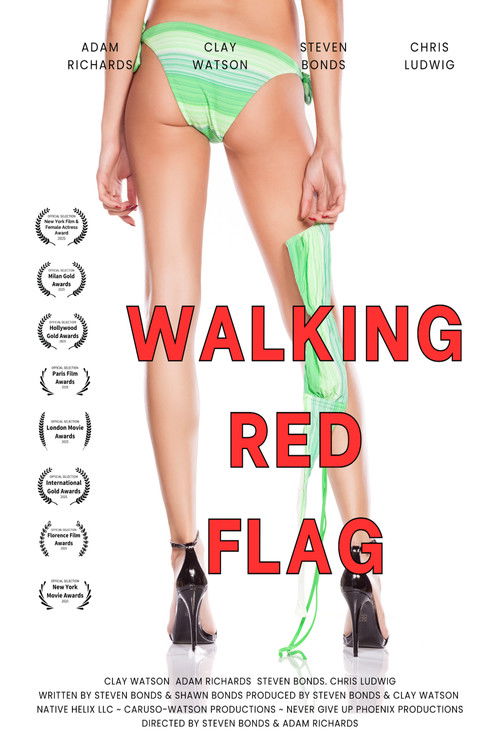
Walking Red Flag (2026)
Directed by Steven Bonds
No · Ultra Based
How we score movies →Consciousness Markers
The cast includes Sarah Jayne Rothkopf and a diverse ensemble, but without evidence of intentional representation politics. The casting appears functional rather than conscious.
The cast includes members of various backgrounds, but this appears incidental to genre requirements rather than deliberate engagement with racial consciousness.
The presence of female cast members does not indicate feminist agenda. The narrative focuses on a male killer and appears gender-neutral in its basic setup.
The film's modest scope and genre focus suggest minimal preachy impulse, though the supernatural punishment of a killer carries implicit moral instruction.
The film's independent production status reflects skepticism toward studio capitalism, but this is production philosophy rather than thematic content.
No evidence of LGBTQ+ themes, characters, or representation in the available plot synopsis or production information.
No evidence of climate themes or environmental consciousness in a horror-comedy about supernatural haunting.
No evidence of body positivity themes or commentary in a genre horror film.
No indication of neurodivergence representation or themes in the available information about this film.
A contemporary horror-comedy has no historical elements to revisit or reframe.
Synopsis
A serial killer is being haunted by a previous victim.
Why it received this score
Walking Red Flag presents itself as a scrappy independent horror-comedy about a serial killer tormented by spectral retribution, a premise that owes more to genre convention than cultural commentary. The film emerges from genuine grassroots production, shot and financed outside the studio system by people who appear to have refused conventional algorithmic approval, which constitutes a certain form of creative integrity if not artistic sophistication. However, this independent pedigree has nothing to do with progressive sensibilities, only with the material constraints of bootstrapped filmmaking.
The cast composition and narrative structure reveal little evidence of intentional engagement with modern social consciousness. The film's brief runtime and straightforward genre mechanics suggest a project primarily concerned with horror-comedy mechanics rather than representation or thematic depth. The presence of Sarah Jayne Rothkopf among the ensemble does not automatically signal feminist intention, any more than the existence of multiple actors indicates commitment to racial consciousness. What we have is a small film about a supernatural problem facing a killer, not a meditation on systems or structures.
The fundamental appeal of Walking Red Flag appears to rest on its outsider status and the romantic narrative of independent creators making art without studio interference. This is admirable as a matter of production ethics but bears no relationship to the markers we employ for cultural analysis. The film's modest social footprint and genre focus suggest it will be largely indifferent to progressive cultural concerns, arriving as it does with the modest ambitions of regional horror entertainment rather than the grandstanding of prestige cinema.
Analysis generated by our Consciousness Algorithm