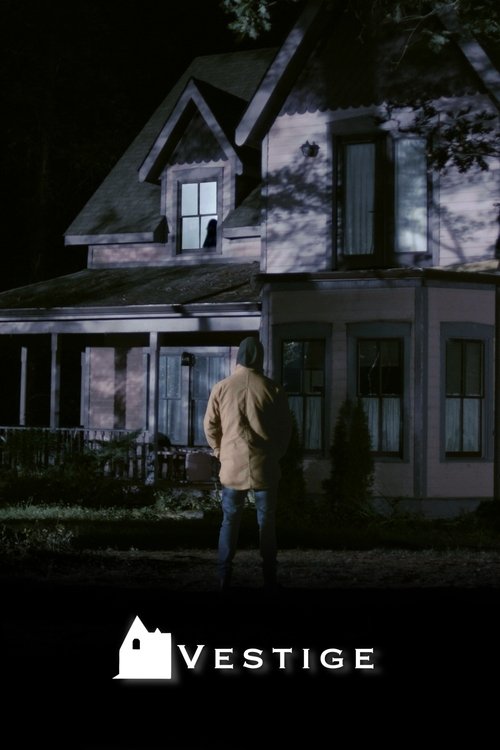
Vestige (2026)
Directed by Sean Walker
No · Ultra Based
How we score movies →Consciousness Markers
The director's explicit framing of the film as 'a letter to those like me who struggle with family connection, hardship, and forgiveness' edges toward the earnest therapeutic address that can tip into sermonizing, though the horror-fantasy register likely keeps it from crossing the line.
No evidence of casting driven by representation imperatives. The ensemble of a senior thesis film from a Nashville-based filmmaker shows no documented intentionality around diversity casting.
No LGBTQ+ themes, characters, or subtext have been identified in any available synopsis, review, or director's statement.
The film's stated concerns are family trauma, memory, and forgiveness. No feminist framing is present in any available material.
No racial consciousness themes are present or implied. The story is a personal family drama with no documented racial subtext.
An abandoned house in the woods is a setting, not a climate statement. No environmental messaging of any kind is present.
No anti-capitalist themes are evident. The film is concerned with emotional inheritance, not economic critique.
No body positivity themes are present or documented anywhere in the film's materials.
No neurodivergence themes are present. The film's trauma lens is relational and familial, not neurodevelopmental.
The film is a personal, non-historical narrative. There is no history present to revise.
Synopsis
When a hooded figure steps into an abandoned house deep in the woods, flickering lights awaken memories of the family who once called it home.
Why it received this score
We arrive, at last, at a senior thesis film about family trauma set in an abandoned house in the woods. The genre coordinates are familiar: flickering lights, hooded figures, the past bleeding into the present. Director Sean Walker, a graduate of Lee University's Cinema program, has described this as his personal letter to those who struggle with family connection and forgiveness, which is either a deeply moving artistic statement or the kind of thing that gets you a good grade in both filmmaking and therapy. Possibly both. The film operates in the dark fantasy register, a space that historically permits a great deal of emotional weight to be carried by atmosphere rather than argument.
On the spectrum of progressive social consciousness, 'Vestige' registers approximately nothing. This is not a criticism. The film is, by all available accounts, concerned with memory, hardship, and the emotional residue left behind by family dysfunction. These are ancient human themes. They predate the discourse. There is no feminist agenda to detect, no racial consciousness to calibrate, no climate allegory lurking in the treeline. The abandoned house is simply an abandoned house. The flickering lights are simply flickering lights, or possibly a metaphor for memory, but certainly not a metaphor for systemic inequality.
The sole nonzero reading comes from the director's own framing, which carries the faint warmth of a TED talk opening. Addressing an imagined audience of fellow sufferers directly is a gesture with a certain earnest energy, the sense that the film has a message to deliver and knows who it is for. This is a mild condition, easily managed, and in a horror-fantasy context it is largely absorbed by the fog. 'Vestige' is, in the end, a film about ghosts. The ghosts are personal. That is, in the current climate, almost rebelliously unfashionable.
Analysis generated by our Consciousness Algorithm