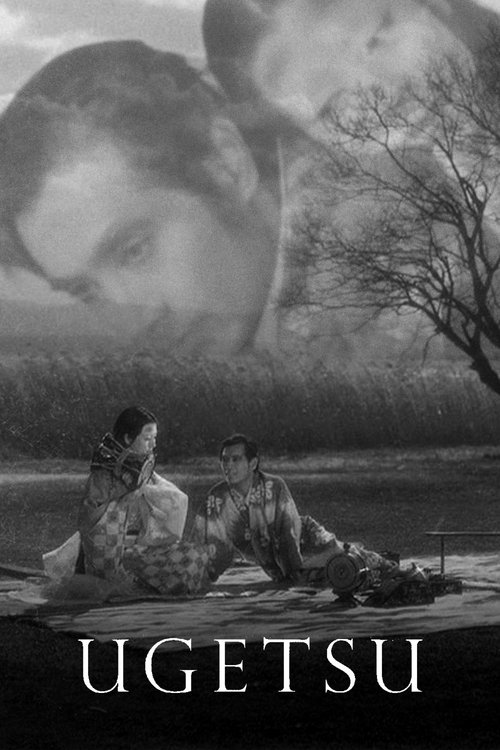
Ugetsu (1953)
Directed by Kenji Mizoguchi
No · Ultra Based
How we score movies →Consciousness Markers
While the film demonstrates genuine sympathy for female suffering and critiques male selfishness, it does not interrogate gender systems or present women as agents of their own liberation.
The film critiques greed and the pursuit of wealth, but this emerges from traditional moral philosophy rather than contemporary anti-capitalist analysis.
The film features Japanese actors in Japanese roles during a historical period, but this is period-appropriate casting, not deliberate representation in the modern sense.
No LGBTQ+ themes, characters, or representation present in the film.
The film contains no examination of racial or ethnic power dynamics. It is set in a homogeneous historical context.
No environmental consciousness or climate themes present in the narrative.
No body positivity discourse or themes present in the film.
No representation of neurodivergence or disability in the narrative.
The film uses historical setting authentically without attempting to revise or reframe historical narratives.
The film trusts its audience to understand its moral implications through visual storytelling and narrative structure rather than explicit commentary.


Synopsis
In 16th century Japan, peasants Genjuro and Tobei sell their earthenware pots to a group of soldiers in a nearby village, in defiance of a local sage's warning against seeking to profit from warfare. Genjuro's pursuit of both riches and the mysterious Lady Wakasa, as well as Tobei's desire to become a samurai, run the risk of destroying both themselves and their wives, Miyagi and Ohama.
Why it received this score
Mizoguchi's 1953 masterpiece remains a work of devastating moral clarity, yet one that operates entirely outside the contemporary framework we are tasked with evaluating. The film presents its female characters, Miyagi and Ohama, with genuine sympathy and tragic depth. Their suffering at the hands of male ambition is rendered with such precision that we cannot help but recognize the injustice inflicted upon them. Yet sympathy for women's plight, however artfully expressed, is not the same as the interrogation of systemic gender oppression that defines modern progressive discourse.
The narrative structure itself reveals Mizoguchi's concerns: the supernatural sequences that punish masculine desire and greed function as a moral framework, a corrective rather than a celebration. The film critiques the social order that permits men to destroy their lives and the lives of others in pursuit of status and pleasure. However, this critique emerges from a humanist perspective rooted in Buddhist and Confucian ethics, not from contemporary identity politics or systemic analysis.
To score "Ugetsu" highly on contemporary progressive markers would be to commit an anachronism, mistaking historical sympathy for women with modern social consciousness. The film deserves recognition as a work of profound artistic and moral achievement. It simply predates by seventy years the specific cultural vocabulary we are using to classify contemporary cinema. In this sense, it occupies a liminal space: a masterwork that some progressive values precede, but which cannot fairly be judged by standards that did not yet exist.
Analysis generated by our Consciousness Algorithm
Critic Reviews
“Mizoguchi's blend of historicity, artistic refinement, and human observation combines with his rare embrace of the spiritual in Ugetsu, and its effect is entrancing, affecting, and unforgettable.”
“With its thought-provoking themes, rich atmosphere, and brilliant direction, Kenji Mizoguchi's Ugetsu monogatari is a towering classic of world cinema.”
“With rare humanity, Mizoguchi reveals the toll these misadventures take on the souls of both men and their wives, many moments an uncanny synthesis of the realistic and the otherworldly.”
“Mizoguchi's most widely heralded film is a mysterious, incantatory, and gorgeous parable.”