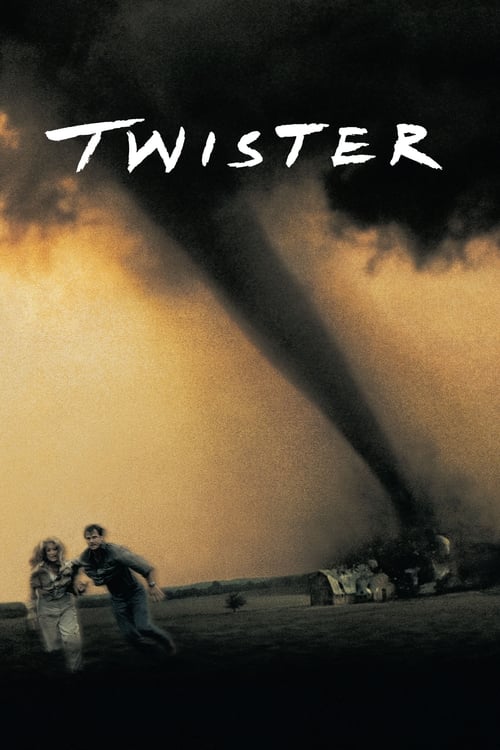
Twister (1996)
Directed by Jan de Bont
No · Based
How we score movies →Consciousness Markers
Helen Hunt anchors the film as the lead scientist and protagonist, displaying agency and competence. The supporting cast includes diverse actors, though representation appears organic to the story rather than deliberate.
Jo Harding is a capable female scientist and the primary protagonist. However, the film contains no explicit feminist agenda or commentary on gender dynamics. Her gender is simply not made an issue.
The film explains tornado science and meteorological concepts, but this is exposition rather than preachy messaging. No characters deliver lectures about social consciousness or moral instruction.
The ensemble includes actors of various backgrounds, but the film exhibits no racial consciousness, commentary, or thematic engagement with racial issues.
While tornadoes are natural phenomena, the film contains no climate change messaging or environmental consciousness. Tornadoes are treated as scientific subjects to be understood, not as ecological warnings.
No LGBTQ+ themes, characters, or representation present in the film.
No anti-capitalist themes present. The film does not critique corporate interests or systemic inequality.
No body positivity themes or commentary present in the film.
No representation of or engagement with neurodivergence in the film.
The film is set in the contemporary (1996) present and contains no historical content or revisionist elements.


Synopsis
An unprecedented series of violent tornadoes is sweeping across Oklahoma. Tornado chasers, headed by Dr. Jo Harding, attempt to release a groundbreaking device that will allow them to track them and create a more advanced warning system. They are joined by Jo's soon to be ex-husband Bill, a former tornado chaser himself, and his girlfriend Melissa.
Why it received this score
Twister emerges as a 1996 blockbuster whose progressive credentials rest almost entirely on the presence of Helen Hunt as its lead scientist, Dr. Jo Harding. She is competent, driven, and the emotional and intellectual center of the film. This is genuine, if unremarkable by modern standards. The film makes no particular statement about her gender, nor does it traffic in the tired tropes of male colleagues undermining her authority. She is simply the protagonist. The supporting cast reflects the demographic diversity one might expect of a professional research team, though without any particular emphasis or commentary on representation itself.
The environmental dimensions of Twister are negligible. The film treats tornadoes as phenomena to be understood and predicted, not as a cautionary tale about climate change or ecological collapse. The narrative concern is purely technological and personal: can we build better warning systems, and can Jo reconcile with her ex-husband. The device at the film's center has no connection to environmental consciousness or climate activism. We are watching a disaster film, not a sermon about humanity's relationship with nature.
Ultimately, Twister is a straightforward summer spectacle from the mid-1990s that happens to feature a woman in charge. It contains no agenda beyond entertainment. The film's modest progressive elements feel incidental rather than intentional, the product of casting decisions rather than thematic commitment. By the standards of contemporary cultural sensibility, it barely registers.
Analysis generated by our Consciousness Algorithm
Critic Reviews
“It's hard to dislike a picture with flying cows and oil trucks.”
“It's a keeper, a tumultuous love story set against the backdrop of 24 hours of really, really inclement weather in the Oklahoma heartland.”
“Big swirls of computer-generated dirt, a bickering couple and the dead certainty that the fiancee will leave and the bickerers will get back together. An exciting night out, or what?”