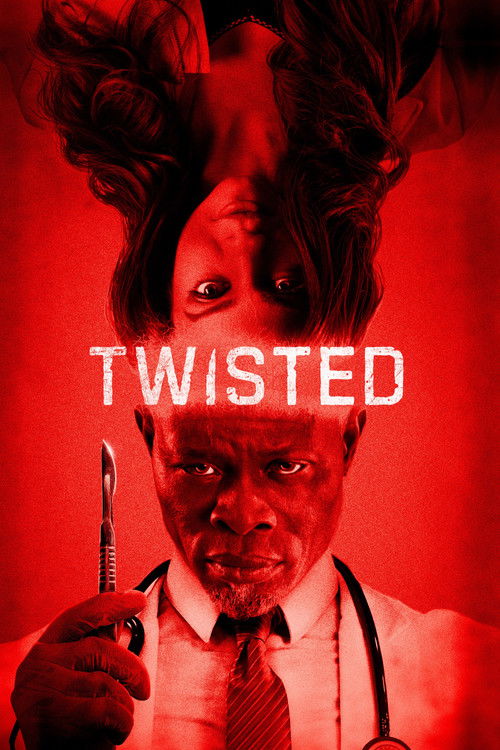
Twisted (2026)
Directed by Darren Lynn Bousman
No · Based
How we score movies →Consciousness Markers
The film features a racially diverse cast with Djimon Hounsou and Lauren LaVera in leading roles, meeting baseline contemporary casting standards. However, the casting appears functional rather than purposeful, with no apparent engagement with what this representation means culturally.
The premise involves critiquing real estate fraud and millennial hustle culture, suggesting latent anti-capitalist potential. However, reviews indicate the film treats these elements as plot devices rather than genuine systemic critique, avoiding deeper interrogation of housing markets or economic structures.
Lauren LaVera's character is described as using sexuality and cunning to manipulate men, which invokes a well-worn trope rather than advancing feminist consciousness. The framing suggests moral ambiguity about female agency rather than genuine feminist critique.
While the cast includes prominent Black actors, there is no evidence that the film engages with racial themes or consciousness. The diversity appears incidental to the plot rather than central to its meaning.
While the premise touches on socioeconomic themes that could invite preachy treatment, the critical consensus suggests the film prioritizes genre entertainment over messaging. There is minimal evidence of heavy-handed social instruction.
No evidence of LGBTQ+ themes or representation in the available plot summary, cast information, or critical reception. The film makes no apparent engagement with queer narratives or identity.
No climate-related themes, messaging, or environmental consciousness apparent in this urban real estate thriller. The film shows no engagement with ecological concerns.
No evidence of body positivity messaging, disability representation, or engagement with non-normative bodies. The film appears to operate within conventional genre casting standards.
No indication of neurodivergent representation or exploration of cognitive difference in the available information about the film. The narrative shows no engagement with neurodiversity.
As a contemporary horror-thriller set in modern New York, the film does not engage with historical narratives or revisionist approaches to history. No relevant engagement with this marker.


Synopsis
Two millennials make quick money by leasing incredible New York City apartments they don't own to people who don't know they are being scammed. The con works brilliantly until they run into an apartment owner with a dark secret who flips the game on them.
Why it received this score
Darren Lynn Bousman's "Twisted" arrives as a competent if unremarkable horror-thriller that mistakes demographic casting for cultural engagement. The film features a racially diverse ensemble and centers two millennials engaged in real estate fraud, which provides at least the skeleton of socioeconomic critique. Yet the execution proves disappointingly surface-level, treating the millennial scammer narrative as mere plot mechanics rather than systemic indictment. Bousman, returning to his gnarled roots after several years of elevated horror projects, seems content to let the premise do the heavy lifting while the actual mechanics of gentrification, economic desperation, and housing precarity remain largely unexamined.
What the critical consensus reveals is a film disinterested in its own potential as social commentary. The presence of Hounsou and LaVera in the lead roles signals an attempt at representation, yet their characters exist primarily to serve the machinery of genre convention. One character is constructed around her sexuality and cunning, while the other pursues a redemptive arc tied to saving his wife and bettering humanity. These character sketches lack the specificity necessary to constitute genuine progressive representation. They are simply people of color occupying roles that could belong to anyone, with no particular investment in what their casting might mean.
The film's relationship to anti-capitalist sentiment remains perfunctory. A story about apartment scams in New York City could interrogate the brutality of the housing market, the complicity of landlords, or the systemic incentives that drive people toward fraud. Instead, "Twisted" appears content to treat these elements as backdrop for conventional horror beats. The result is a film that looks progressive in its casting while remaining fundamentally conservative in its storytelling instincts, offering neither genuine social critique nor self-aware genre subversion.
Analysis generated by our Consciousness Algorithm
Critic Reviews
“Twisted is an unusual forensic crime film because it's witty and sophisticated as well as taut and creepy.”
“A neo-noir movie nightmare gone sadly wrong.”
“By Twisted's final twist, though, it's all Judd can do to keep a straight face.”
“So utterly devoid of suspense, energy or credibility it should have been shipped straight to the remainder bin at Blockbuster.”