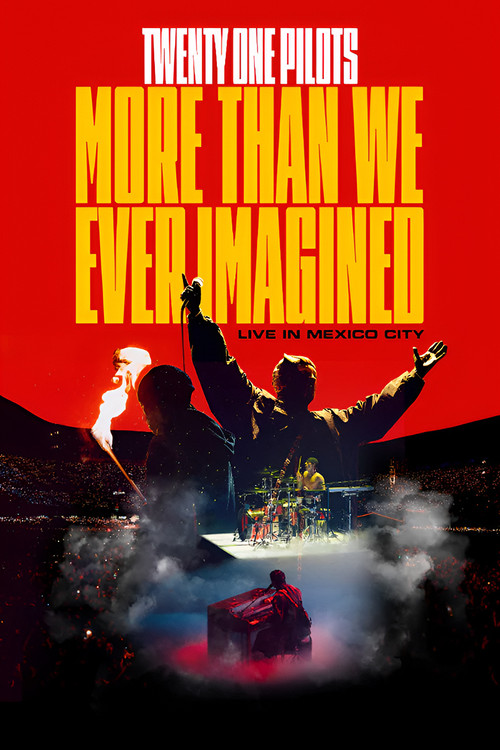
Twenty One Pilots: More Than We Ever Imagined (2026)
Directed by Mark C. Eshleman
No · Ultra Based
How we score movies →Consciousness Markers
The band has an established history of LGBTQ+ allyship and inclusivity, though the film itself does not explicitly foreground these themes. The presence of a diverse audience is implicit rather than emphasized.
The film is set in Mexico City and celebrates Latin American audiences and cultural geography, but this is framing rather than analysis. No explicit racial consciousness or commentary is evident.
The film features the band members and concert attendees naturally. Two male performers headline with no apparent commentary on representation or deliberate casting choices for diversity purposes.
The film captures performers and audiences as they are without commentary. Body diversity is present by default but not celebrated or centered as a thematic concern.
The concert documentary format precludes extended exposition or pedagogical intent. Any commentary is minimal, allowing the music and performance to speak for itself.
No climate-related messaging or environmental consciousness appears in the film. The documentary focuses entirely on the concert experience and does not address sustainability or ecological concerns.
A concert film is inherently a capitalist product designed to promote the band and drive ticket sales. No critique of capitalism or economic systems is present.
No representation or discussion of neurodivergence appears in the documentary. The focus on musical performance does not address neurological diversity.
No discernible feminist agenda or commentary present in the concert documentary format. The focus remains on musical performance rather than gender analysis or representation.
The film contains no historical narrative or revisionist framework. It is entirely focused on documenting a contemporary concert event.
Synopsis
Experience the electrifying concert film capturing Twenty One Pilots at a career-defining moment: their monumental Mexico City headline show, performing in front of 65,000 fans at Estadio GNP Seguros during The Clancy World Tour. Set against the vibrant pulse of one of the world's most iconic music capitals, the film blends cinematic high-energy performance footage with intimate, behind-the-scenes access, revealing the heart, humor, and humanity of the artists as they prepare for one of the biggest shows of their career.
Why it received this score
Twenty One Pilots: More Than We Ever Imagined arrives as a straightforward concert documentary, a form that has historically resisted the intrusion of cultural commentary of any kind. The film captures the band performing at capacity in Mexico City with the kind of energetic cinematography one expects from the genre: sweaty faces, crowd roars, tight close-ups of instruments. Behind the scenes, we observe the musicians preparing, joking, and bonding before their show. It is, in essence, a document of human beings doing what they do professionally. There is no subtext here, nor does the film appear to desire any.
The band itself carries a reputation for quiet LGBTQ+ allyship, with Tyler Joseph occasionally displaying pride flags at concerts and the group maintaining a general posture of inclusivity toward their diverse fan base. However, this film does not interrogate or celebrate these positions. It simply presents the band as they are, which is to say, two men performing music to thousands of people. The documentary's focus remains relentlessly on the performance itself and the logistics of mounting a massive concert production.
What emerges from this viewing is the fundamental truth of the concert film format: it is about the experience of the music, not the message. No lectures about social consciousness, no explicit representation politics, no revisionist framings of history. The film exists to capture a moment in time and convey the scale and energy of a live performance. In this regard, it succeeds admirably. As a text through which to assess modern progressive sensibilities, however, it remains largely silent.
Analysis generated by our Consciousness Algorithm