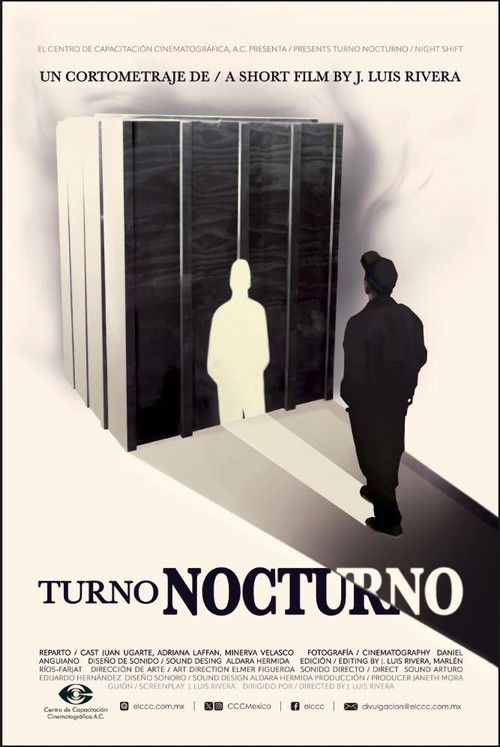
Turno Nocturno (2025)
Directed by J. Luis Rivera
No · Based
How we score movies →Consciousness Markers
The cast is entirely Mexican and Spanish-speaking, reflecting the film's setting and production context. This represents demographic accuracy rather than conscious progressive casting aimed at visibility or representation.
The protagonist is a woman dealing with family violence, which provides thematic material but is treated as personal trauma rather than systemic critique. No apparent feminist consciousness shapes the narrative.
The hospital setting might suggest critique of institutional or medical systems, but the film appears to use the location as a generic horror backdrop rather than advancing any anti-capitalist argument.
The film features Mexican characters and is set in Mexico, but there is no evidence of explicit racial or ethnic consciousness as a thematic concern. The setting appears incidental to the horror premise.
The protagonist's psychological deterioration and encounters with supernatural phenomena might suggest neurodivergent experiences, but this appears incidental to the horror narrative rather than a deliberate thematic focus.
The film references Mexican folklore through the 'La Planchada' legend, but this represents cultural tradition rather than revisionist historical consciousness or contemporary reinterpretation.
No evidence of didactic or pedagogical impulses in this straightforward horror film. The narrative appears focused on scares rather than instruction or moral education.
No evidence of LGBTQ+ themes, characters, or representation in the available plot summary or production information.
No evidence of climate-related themes or environmental consciousness in this hospital-set horror film.
No available evidence of body positivity themes or messaging in this supernatural horror production.
Synopsis
A nurse with a history of family violence begins night shifts at a small hospital. During her work, she encounters a ghostly nurse that materializes in the dark hallways at night.
Why it received this score
Turno Nocturno arrives as a modest Mexican horror production, concerned primarily with the supernatural rather than any particular social agenda. The film centers on a female protagonist dealing with trauma and family violence, though these elements function as plot mechanics rather than subjects for deeper interrogation. What thematic interest the film possesses emerges from its setting in a working-class hospital and its attention to a woman's psychological deterioration, but neither receives sustained critical examination in service of modern progressive consciousness.
The film's representation consists entirely of Spanish-speaking Mexican actors in a Mexican setting, which reflects demographic reality rather than conscious casting choices aimed at advancing any particular social vision. A character named "La Planchada" references Mexican folklore rather than contemporary cultural commentary. The supernatural horror framework provides no natural vehicle for discussions of systemic inequality, environmental crisis, or the other markers of contemporary social consciousness that might elevate the woke score. This is, quite simply, a genre exercise.
One respects the film's apparent indifference to scoring points on the cultural consciousness checklist. It pursues its modest horror ambitions without genuflecting to the sensibilities of streaming platform algorithms or festival selection committees. Whether this constitutes artistic integrity or mere irrelevance depends on one's temperament, though most would agree that a 1h 47m independent horror film about a haunted hospital need not shoulder the burden of social justice pedagogy.
Analysis generated by our Consciousness Algorithm