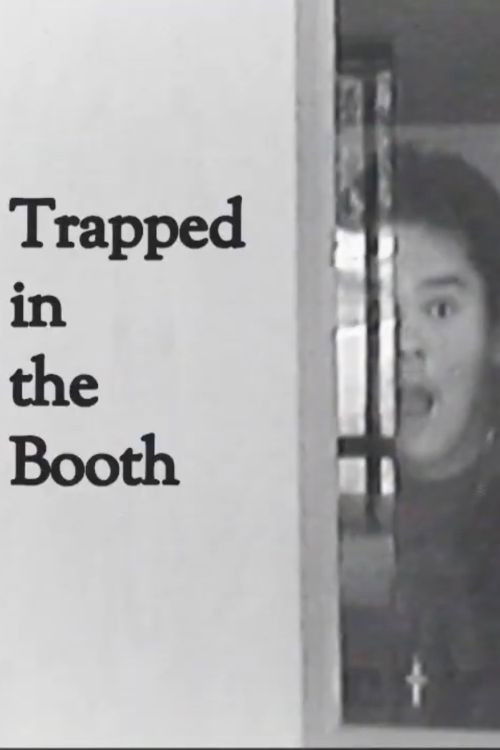
Trapped in the Booth (2026)
Directed by Zachary Pareizs
Partly · Woke-Adjacent
How we score movies →Consciousness Markers
LGBTQ+ themes form the foundation of the narrative, with the protagonist explicitly positioned as a gay man navigating queer identity and community. The film's stated goal is to present this experience with compassion and realism.
The film centers a gay male character as its protagonist, with intentional casting of queer actors. This represents deliberate inclusion of LGBTQ+ talent in central roles rather than peripheral representation.
The stated goal of presenting queer experience with compassion suggests potential for preachy framing, though comedy as the primary genre may mitigate overt moralizing.
The film centers on DJ culture and pop music stardom, which could be read as critique of celebrity aspiration, but the available evidence suggests celebration of nightlife excess rather than systemic critique.
The available evidence does not indicate racial consciousness as a primary thematic concern. New York nightlife settings typically involve diverse casts, but this appears incidental rather than intentional.
The protagonist's confinement to a booth might suggest neurodivergent themes, but this remains speculative without access to actual narrative details.
No discernible feminist agenda emerges from available information. The focus on nightlife and male DJ culture does not suggest engagement with gender equity or feminist critique.
No climate-related themes or messaging are evident from the film's premise, plot summary, or promotional materials.
No evidence of body positivity messaging appears in the available information about the film or its promotional positioning.
The film appears to be contemporary comedy with no historical dimension or revisionist engagement with past events.
Synopsis
Bob is trapped in the booth.
Why it received this score
Trapped in the Booth presents itself as a compassionate exploration of queer identity through the lens of a gay DJ navigating New York nightlife. The film's central conceit involves a protagonist confined to a literal booth, which serves as both spatial constraint and potential metaphor for the limitations imposed by social expectation. Whether this limitation is treated as tragedy, comedy, or some hybrid of the two remains the work's most pressing ambiguity.
The film's cultural positioning emphasizes "hyper realism" and a sympathetic portrayal of its lead character's journey. This suggests an intention to move beyond caricature toward something resembling authentic representation. However, the extreme paucity of available information about the actual narrative content, themes, and execution makes it difficult to assess whether the film achieves this stated goal or merely performs the gesture of progressivism without substance. We cannot determine if the queerness at the film's center functions as genuine character development or as a backdrop for observational comedy about nightlife excess.
What emerges from the available evidence is a work that signals its progressive intentions clearly but remains frustratingly opaque in its actual thematic commitments. The film exists at the threshold between sincere cultural commentary and millennial irony, and the research available does not resolve which side of that threshold it finally occupies.
Analysis generated by our Consciousness Algorithm