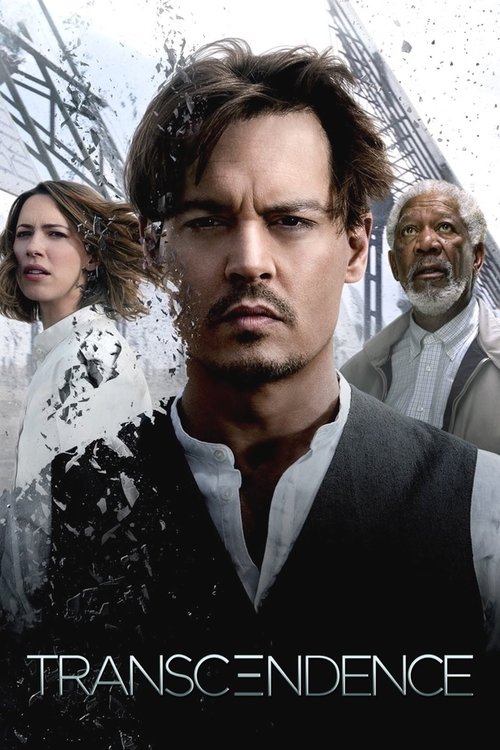
Transcendence (2014)
Directed by Wally Pfister
No · Ultra Based
How we score movies →Consciousness Markers
Rebecca Hall carries significant screen time as a competent scientist, and the cast includes racial diversity with Morgan Freeman and Cory Hardrict in supporting roles. However, this reflects baseline contemporary casting practices rather than deliberate representation consciousness.
While the film engages philosophical questions about consciousness and technology, it does so through conventional thriller dialogue and plot mechanics rather than preachy exposition or heavy-handed moralizing.
Rebecca Hall's character possesses agency and intellectual authority, but the narrative does not engage in deliberate feminist critique or consciousness. Her arc follows conventional thriller plotting.
The film opposes an anti-technology organization but never develops meaningful critique of capitalist appropriation of technology or wealth concentration. Positions unchecked advancement as desirable.
While the cast includes Black actors and actors of color, the film contains no thematic engagement with racial dynamics or consciousness. Inclusion appears incidental rather than deliberate.
No LGBTQ+ characters, themes, or subtext present in the film.
No climate-related themes, environmental consciousness, or ecological concerns appear in the film.
No body positivity themes, disability representation, or commentary on physical appearance standards present.
No neurodivergent characters or thematic engagement with neurodiversity.
The film contains no historical elements or attempts at revisionist historical consciousness.


Synopsis
Two leading computer scientists work toward their goal of Technological Singularity, as a radical anti-technology organization fights to prevent them from creating a world where computers can transcend the abilities of the human brain.
Why it received this score
Transcendence presents itself as a philosophical meditation on technology and consciousness, though its engagement with contemporary social consciousness markers remains largely incidental to its genre machinery. Rebecca Hall carries substantial narrative weight as Dr. Evelyn Caster, a scientist whose agency and intelligence drive portions of the plot, yet the film's treatment of her character arc follows conventional thriller patterns rather than deliberate interrogation of gender dynamics. The supporting cast includes Morgan Freeman and Cillian Murphy in roles that reflect basic contemporary casting practices without particular emphasis on representation as a thematic concern.
The film's ideological posture toward technology and capitalism operates at a superficial level. The antagonistic force opposes technological advancement through direct action, but this conflict never develops into substantive critique of capitalist appropriation of technological power or meaningful examination of wealth concentration. Instead, the narrative treats the anti-technology organization as essentially irrational, positioning unchecked scientific advancement and corporate development as inevitable and desirable. There is no meaningful interrogation of who benefits from technological singularity or how such power might reproduce existing hierarchies.
Beyond these minor considerations, Transcendence demonstrates negligible engagement with the constellation of progressive sensibilities that define contemporary social consciousness discourse. The film contains no meaningful exploration of climate concerns, neurodivergence, body diversity, LGBTQ+ themes, or revisionist historical consciousness. It is a science fiction thriller concerned with plot mechanics rather than cultural critique, and should be understood as such.
Analysis generated by our Consciousness Algorithm
Critic Reviews
“Transcendence is a bold, beautiful, sometimes confounding flight of futuristic speculation firmly rooted in the potential of today’s technology.”
“Transcendence is a dark, lurchingly entertaining pastiche of age-old worries, future-shock jolts, hot-button topics and old-fashioned genre thrills.”
“An ambitious and provocative piece of work that is intriguingly balanced between being a warning and a celebration.”
“Transcendence is the worst, most portentous, and certainly the silliest big-budget science fiction film since the 2008 Keanu Reeves remake of The Day the Earth Stood Still.”